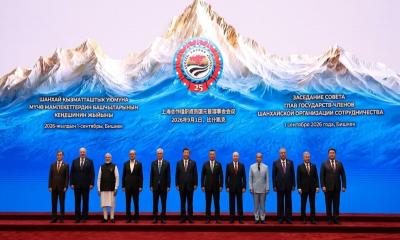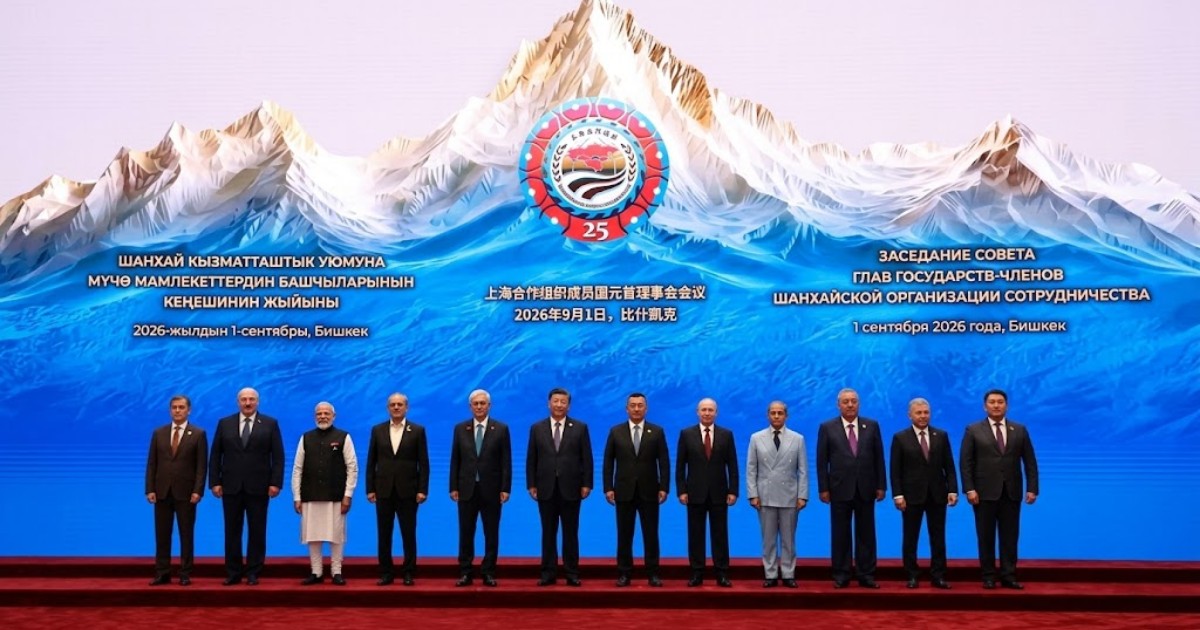
Multipolarity offers options to sovereign states navigating great power rivalry while offering fewer binding security guarantees during structural confrontations, according to analyses published by Al Jazeera and The Wire. At the Shanghai Cooperation Organisation summit convened in Bishkek, Iranian President Masoud Pezeshkian secured explicit diplomatic declarations upholding national sovereignty and condemning external military aggression under United Nations standards. The multilateral assembly refrained from extending security commitments or operational defense deployments.
This dynamic underscores that non-Western institutions provide political solidarity rather than collective security arrangements. Theoretical projections had frequently assumed that Western institutions would be supplanted by a counter-bloc centered around China, Russia, BRICS, and the SCO. Regional engagements have revealed that non-aligned platforms do not generate mutual defense obligations comparable to established military alliances.
The shift indicates that the international order is fostering overlapping partnerships rather than mutually exclusive ideological camps. Middle powers gain wider commercial flexibility without obtaining defense commitments.
Turkiye illustrates the strategic utility of this diplomatic diversification. Maintaining its seven-decade NATO alliance, Ankara simultaneously preserves trade links with Moscow, engages Beijing, and functions as a dialogue partner inside the SCO without subscribing to rigid alignment directives. Retaining formal treaty protections enables the Turkish government to expand diplomatic leverage across regional disputes.
Brazil operates along comparable foreign policy lines within the Western Hemisphere. While resisting unilateral alignment mandates, Brasilia balances extensive trade relations with China and BRICS engagement against institutional dialogues with Washington and European capitals.
India practices comparable diversification by participating concurrently in the Quad alongside Western partners while contributing to BRICS and SCO deliberations. Gulf Cooperation Council members continue depending on traditional defense ties with the United States while building extensive infrastructure and trade ties with major Asian economies.
The central strategic trade-off facing intermediate powers remains the absence of statutory mutual defense provisions. The SCO framework explicitly designates the body as a non-military organization lacking enforcement treaties equivalent to mutual defense pacts. Middle powers will bear primary responsibility for territorial defense while using multipolar networks for diplomatic and economic leverage.