The upcoming United States midterm elections are emerging as a potentially pivotal moment that could shape the trajectory of the ongoing conflict involving the United States, Israel, and Iran, according to regional and political analysts. Rising domestic prices, economic strains, and public opposition to prolonged military engagements are mounting pressure on the administration to reassess its strategic posture.
As the political clock ticks toward the midterms, domestic economic anxiety has taken center stage across the United States. Global oil market fluctuations, disruptions in supply chains, and increasing costs of living have amplified public scrutiny over foreign military interventions. Observers note that political leaders in Washington are increasingly sensitive to voter sentiment as economic fallout from the conflict continues to resonate domestically.
The broader international repercussions of the confrontation have also drawn intense focus. Global fertilizer supplies, shipping routes through vital waterways, and international trade stability have all faced severe disruptions since hostilities escalated. While the administration has maintained a firm security stance, critics within the political landscape argue that sustained military escalation carries significant domestic and international liabilities.
Key political figures and congressional leaders have increasingly debated the long-term viability of the current strategy, pointing to the economic burdens placed on American households. With voters heading to the polls in the upcoming midterms, political strategist projections suggest that electoral incentives could compel the White House to seek diplomatic off-ramps or scale back aggressive operations to mitigate domestic political fallout.
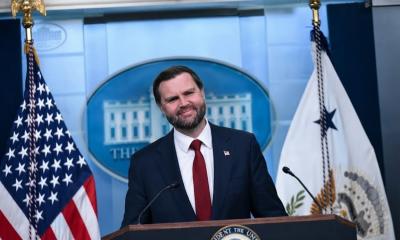
Despite these pressures, official statements from the administration have continually emphasized readiness to counter perceived threats and protect strategic interests in the region. White House representatives have reiterated that national security remains paramount, while refusing to outline specific timelines for any potential de-escalation framework ahead of the electoral cycle.
The evolving dynamics between electoral politics and foreign policy demonstrate how domestic imperatives can directly influence international conflict management. As the political landscape in Washington shifts toward the midterms, the future course of the administration`s Middle East strategy remains closely tied to domestic voter priorities.