The growing global competition between the United States and China in the field of artificial intelligence has positioned Egypt at the center of a high-stakes geopolitical tug-of-war. Recent diplomatic visits and infrastructure proposals have highlighted the strategic dilemmas faced by Cairo as it manages deep-rooted security ties with Washington alongside expanding economic partnerships with Beijing.
At the heart of this evolving dynamic is a bid by Chinese tech giant Huawei to construct advanced artificial intelligence data centers in the country. Reports indicate that Washington is actively weighing counter-offers involving major American technology firms to offset the potential expansion of Chinese digital infrastructure in North Africa. Analysts observe that these developments reflect a broader international contest for technological dominance and global data integration.
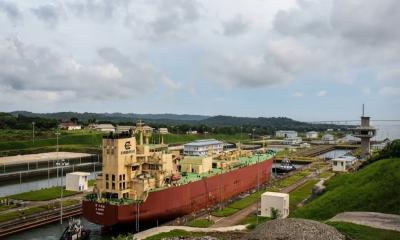
Egypt’s geographical position at the crossroads of major international trade routes enhances its strategic value for major powers. The nation controls the Suez Canal, a vital artery for global shipping that has gained renewed importance amid regional maritime disruptions. This unique positioning makes the country an attractive hub for industrial, logistical, and technological investments from both Eastern and Western actors.
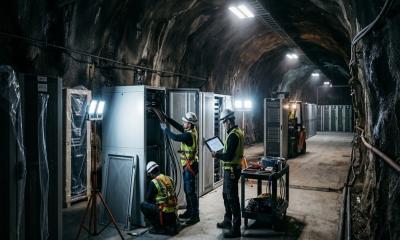
However, the pursuit of large-scale technological projects brings significant domestic challenges, particularly concerning resource allocation. Environmental observers note that high-performance computing facilities require substantial water and energy resources for cooling and operations. Given existing domestic concerns regarding water scarcity and urban pollution, experts question whether intensive data center operations could strain local utilities.
Economists also debate the long-term domestic benefits of such multi-million-dollar technology export agreements. While foreign investments contribute to specific industrial zones and generate temporary construction employment, critics suggest they may not automatically translate into broad, sustainable economic transformation across the wider national economy.
As the administration in Cairo weighs competing digital proposals, the outcome of the current diplomatic balancing act will likely influence regional technology standards. The interplay between great power competition and domestic resource priorities underscores the complex choices facing emerging economies in the digital age.