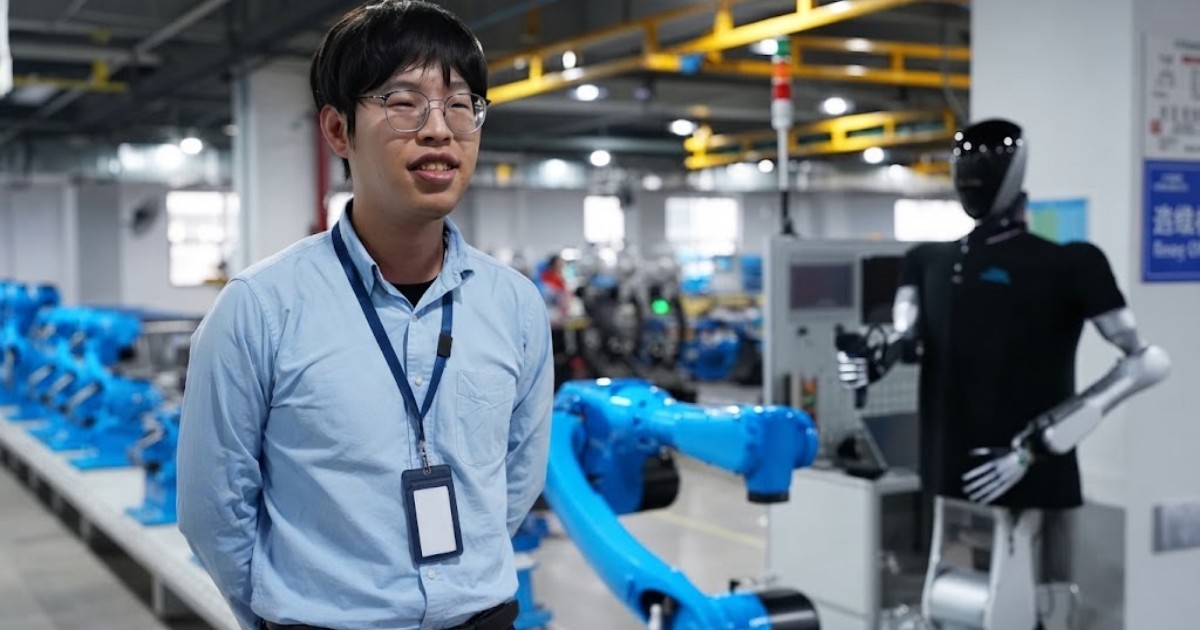
China has rapidly accelerated its industrial automation efforts, deploying more than two million factory robots across the country to maintain its manufacturing dominance, according to BBC News. The sweeping technological shift is part of a massive strategic push led by Beijing to position the nation at the forefront of global technological innovation.
This profound industrial transformation is reshaping traditional production lines.
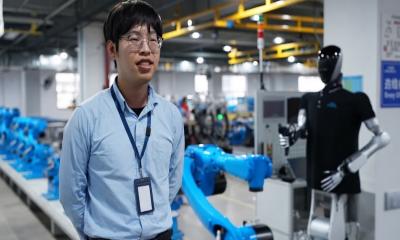
Factories in major hubs like Hangzhou and Chengdu are increasingly integrating automated machinery to handle complex tasks, ranging from welding and painting to intricate assembly. Companies such as CRP Technology produce specialized robotic arms capable of executing over ninety percent of repetitive manufacturing operations with precision.
A primary driver behind this aggressive automation push is China`s shifting demographic landscape. With official estimates projecting that over a third of the population will be aged sixty or older by 2035, and the country facing a projected loss of nearly sixty million people in the next decade, automated systems are seen as essential to fill looming workforce gaps.
At the same time, this transition presents significant economic challenges. While specialized vocational institutions like the Hangzhou Technician Institute are training thousands of students in robotics and advanced coding, millions of traditional manufacturing workers face potential displacement. Analysts note that managing the speed of this transition remains critical to prevent severe job losses.
As global competition between the United States and China intensifies over advanced technology and artificial intelligence, Beijing`s massive investment in machine integration highlights a new era of industrial production. Whether this quiet revolution can successfully sustain economic growth while navigating demographic pressures will determine the future of global manufacturing.