United States Treasury Secretary Scott Bessent announced on Monday that Washington is rolling out the toughest sanctions in history against Iran, aiming to systematically sever the country`s remaining economic lifelines amid the ongoing Middle East conflict, according to Reuters and Al Jazeera. The sweeping financial package represents a major escalation in Washington`s maximum pressure campaign, shifting primary emphasis from direct military operations to crippling economic isolation. Treasury officials stated that the measures are designed to target banking networks, oil refineries, shipping registries, and foreign entities facilitating trade with Tehran.
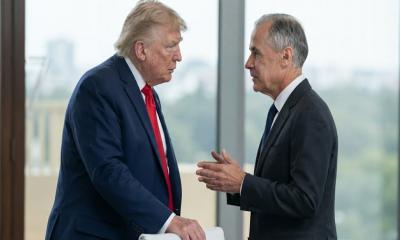
President Donald Trump previously characterized the impending financial offensive as an economic D-Day, warning that any nation, business, or financial institution providing support to Iran will face severe retaliatory penalties. The announcement follows months of escalating military tensions and disruptions across vital maritime trade routes in the Strait of Hormuz, which have sent global oil prices surging. While Washington insists the pressure will force Tehran to alter its regional policies, international analysts remain skeptical about whether economic isolation alone can achieve its strategic objectives.
Tehran has strongly condemned the impending measures, with the Iranian Foreign Ministry labeling the US sanctions as economic terrorism and a direct violation of international law. Iranian officials asserted that Washington is attempting to exert illegitimate extraterritorial jurisdiction over independent United Nations member states. Furthermore, senior Iranian security officials warned neighboring nations against participating in the US-led enforcement campaign, stating that any state cooperating with the restrictions will be treated as a hostile actor.
Despite enduring decades of rigorous international sanctions, Iran has increasingly relied on alternative trading networks and close commercial ties with nations like China to sustain its economy. China remains the primary purchaser of Iranian crude oil, creating a delicate diplomatic balancing act for Washington as high-level bilateral talks approach. Economic experts note that while secondary sanctions and port restrictions will severely constrain Tehran`s export revenues, ordinary Iranian citizens will inevitably bear the heaviest humanitarian and financial burdens.
The broader international community is closely monitoring how major energy importers and regional actors respond to Washington`s ultimatum. European capitals and Asian markets are assessing the potential fallout for global supply chains and petroleum distribution networks as enforcement mechanisms take effect. Financial markets have experienced heightened volatility in response to the looming sanctions, with energy traders adjusting risk premiums across global crude benchmarks. Major shipping lines have also begun re-evaluating regional transit schedules to avoid potential secondary sanctions and maritime disruptions in Middle Eastern waters.
Multilateral institutions continue to urge restraint, warning that escalating economic warfare risks exacerbating humanitarian hardships across the broader region. As administrative agencies finalize the regulatory details of the enforcement packages, policymakers in Washington and European capitals are preparing for complex diplomatic repercussions in the weeks ahead. As diplomatic channels remain deadlocked and military confrontations persist, the impending financial offensive marks a critical juncture in the protracted geopolitical standoff across the Middle East.