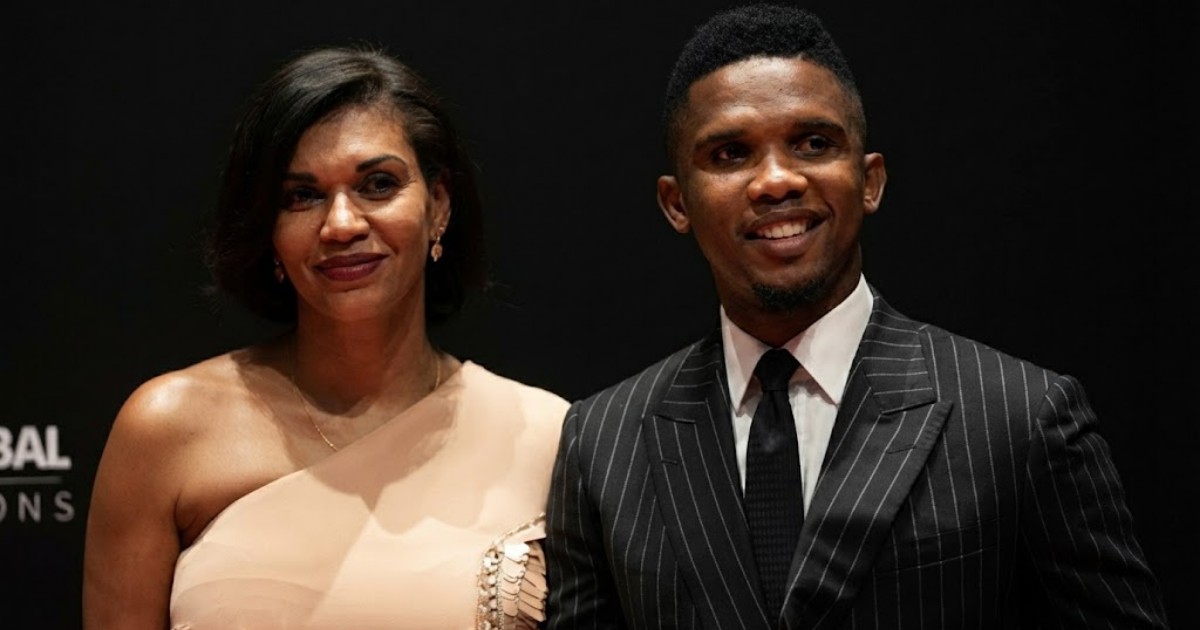
Former Cameroon star Samuel Eto`o has thrown his unwavering support behind beleaguered FIFA President Gianni Infantino, declaring that the head of world football "hasn`t done anything wrong" despite facing intense pressure to resign, according to Agence France-Presse and Al Jazeera. Infantino has been under severe scrutiny following the collapse of a controversial proposal to secure private investment for FIFA tournaments, including the upcoming World Cup editions. The fallout has sparked widespread friction across international football governance, with European governing body UEFA threatening boycotts and several continental federations distancing themselves from the leadership.
Despite the mounting backlash and calls for his resignation, Eto`o, who currently serves as president of the Cameroonian Football Federation, dismissed the criticism as politically motivated maneuvers ahead of next year`s crucial FIFA presidential election. Speaking to international media, the former Barcelona, Inter Milan, and Chelsea striker insisted that Infantino`s administration has fundamentally transformed the sport for the better. Eto`o pointed to the expansion of global opportunities and enhanced financial distributions that have empowered member associations across Africa and other developing regions that historically lacked adequate developmental resources.
The controversy centers on Infantino`s ambitious plan to attract external private equity into FIFA competitions, an initiative that would have reportedly distributed substantial funding directly to FIFA`s two hundred eleven member associations. However, strong resistance from major confederations ultimately forced leadership to abandon the proposal. In the wake of its collapse, critics argue that the leadership style has alienated key stakeholders, leading to strained relations with European and regional federations. Nevertheless, regional bodies such as the Confederation of African Football have previously reaffirmed their backing, aligning with Eto`o`s defense of the Swiss official.
Wider governance friction has also emerged beyond Europe, as the Asian Football Confederation and CONCACAF, which governs North and Central America and the Caribbean, have raised separate concerns regarding the future direction of international soccer administration. Analysts note that these diverging regional interests reflect deep-seated debates over commercial partnerships, tournament structures, and revenue-sharing models within the global game. For federations in developing football regions, however, the primary focus remains on grassroots development and technical assistance delivered through established mechanisms such as the FIFA Forward program.
In Cameroon, previous collaborative efforts under FIFA`s development framework—including infrastructural upgrades to national training facilities—have fostered strong institutional ties with Zurich. Eto`o emphasized that such initiatives have provided vital assets for national teams, creating long-term benefits that outweigh short-term political disputes. As diplomatic and political maneuvering intensifies within global football administration, the debate over Infantino`s future has exposed deep divisions among national associations. Observers across the globe continue to monitor whether the current administration can successfully mend diplomatic bridges before member federations cast their votes next year.
The unfolding political crisis represents one of the most significant leadership challenges for Infantino since he assumed the presidency in twenty sixteen. While high-profile football legends and administrative heavyweights voice contrasting views on the future direction of the sport, the governing body faces an urgent task to restore consensus among its diverse global membership. The coming months will prove decisive as national associations evaluate governance reforms, financial transparency, and administrative accountability ahead of the electoral congress.