Algerian primary schools will begin teaching English before French for the first time in an unprecedented move signalling the country`s break from France, according to Al Jazeera on Monday. The North African nation has long maintained French as its primary foreign language, a linguistic legacy surviving more than six decades after independence. Education Minister Mohamed Seghir Saadaoui announced that the overhaul will take effect in the upcoming academic year. Eight-year-old children across the country will now encounter English prior to any formal instruction in French.
The policy stems from a broader linguistic strategy championed by President Abdelmadjid Tebboune since two thousand twenty-two to modernise the national curriculum. Under the updated framework, English will become the sole foreign language taught in the third year of primary school. French instruction will consequently be pushed back to the fourth year, ending its historical dominance over classroom pedagogy. Higher education faculties in medicine and science have already initiated parallel transitions from French to English.
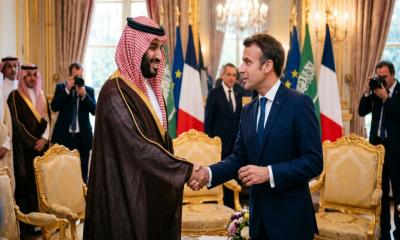
This sweeping structural shift coincides with the most severe diplomatic crisis between Algiers and Paris since independence in nineteen sixty-two. Bilateral relations deteriorated sharply after French President Emmanuel Macron publicly backed Morocco`s sovereignty claim over Western Sahara in July two thousand twenty-four. Algeria, a staunch supporter of the Sahrawi Polisario Front, viewed the diplomatic stance as an intolerable provocation. Subsequent expulsions of diplomats accelerated the state`s drive to purge French influence from public administration and culture.
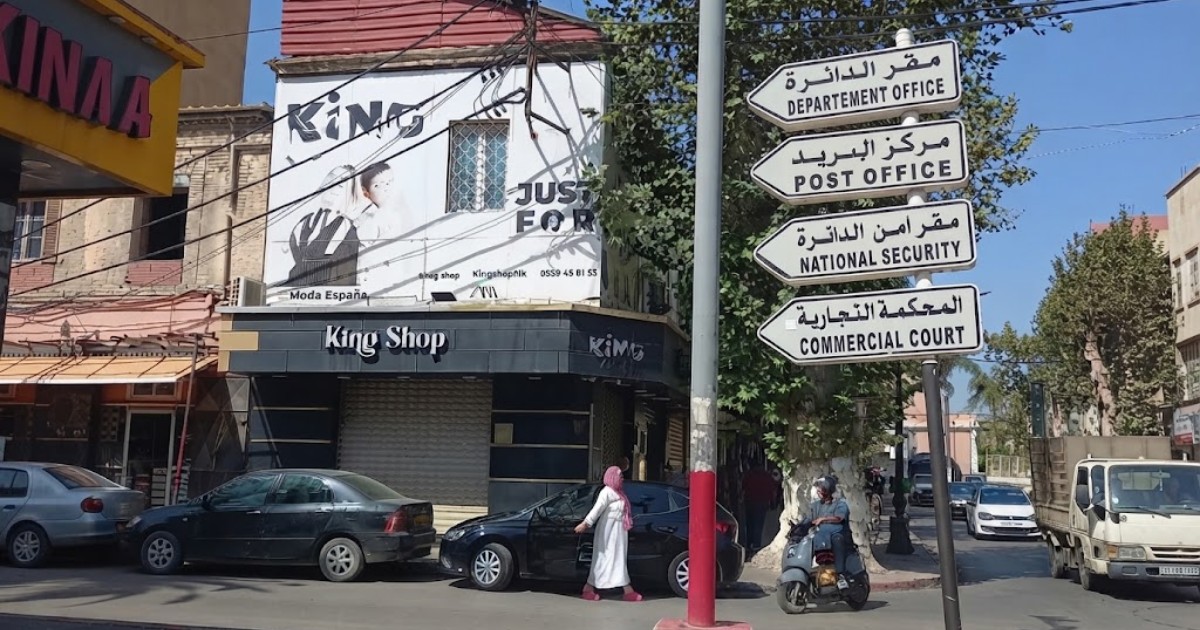
Municipal authorities in towns like Boufarik have replaced bilingual French signage with Arabic and English displays in quiet acts of linguistic reclamation. Air Algerie ticketing systems and various government utility platforms have similarly excised French script from their operations. Retired educators like Ahmed Krim, who spent three decades teaching English in middle schools, have welcomed the reform. However, experts note that successful implementation will require massive resource mobilization and comprehensive teacher training programs.
Language remains a deeply emotive and polarizing subject in a society where millions still speak French in daily life. Critics argue that rushing the transition without adequate pedagogical infrastructure could overwhelm both students and educators. Proponents counter that adopting the global language of science, technology, and commerce is essential for national advancement. Navigating the delicate balance between historical ties and future economic necessities remains a formidable test for policymakers.
Regional dynamics across North Africa reflect a broader regional trend of distancing former colonies from French linguistic hegemony. Neighboring Mali and Morocco have recently implemented significant adjustments to their own educational and constitutional frameworks regarding foreign languages. Algeria`s decisive pivot underscores a determination to redefine its international partnerships on independent terms. The long-term success of this educational overhaul will depend heavily on sustained institutional commitment.
The transition away from French also touches upon the personal lives of millions of dual-nationals and families with deep ties to Europe. Cultural diplomacy between Paris and Algiers has entered an uncertain phase as political channels remain strained. Government officials insist the reforms are motivated by practical educational needs rather than purely ideological grievances. Yet the symbolic weight of replacing Moliere with Shakespeare in primary classrooms cannot be understated.
Administrative bodies face a race against time to supply updated textbooks and recruit qualified instructors across thousands of primary institutions. Teacher training institutes have launched intensive programs to meet the surging demand for English proficiency. Independent linguists continue to monitor whether the educational system can absorb such rapid structural modifications without compromising foundational literacy. Classroom outcomes over the coming academic terms will determine the practical viability of the presidential decree.
Public reception among parents and civil society remains divided between enthusiastic nationalists and cautious pragmatists. While many citizens celebrate shedding the linguistic remnants of colonial rule, others worry about practical disruptions to academic continuity. The government remains steadfast in its execution timeline despite these domestic debates and external diplomatic pressures.
As classrooms prepare for the new term, education officials are conducting nationwide assessments to ensure every primary institution receives the necessary pedagogical tools. International observers are closely watching how this linguistic pivot influences Algeria`s broader diplomatic and economic strategy across the Mediterranean basin. The removal of colonial linguistic remnants from foundational education represents a profound institutional metamorphosis for the North African state. Whether this ambitious reform achieves its long-term modernization goals will depend on sustained administrative resolve and widespread public cooperation in the years ahead.