United States consumer inflation slowed in July, aided by a brief retreat in global energy prices and renewed hopes that maritime traffic through the Strait of Hormuz might resume, according to data released by the Bureau of Labor Statistics and reported by Al Jazeera. Global shipping channels have faced severe disruptions ever since regional tensions escalated earlier in the year, leaving energy markets highly sensitive to geopolitical developments.
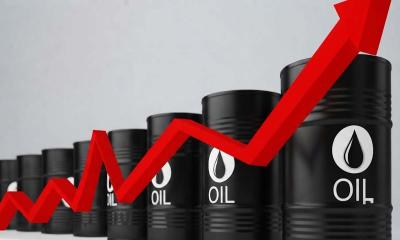
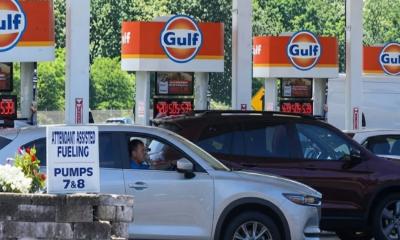
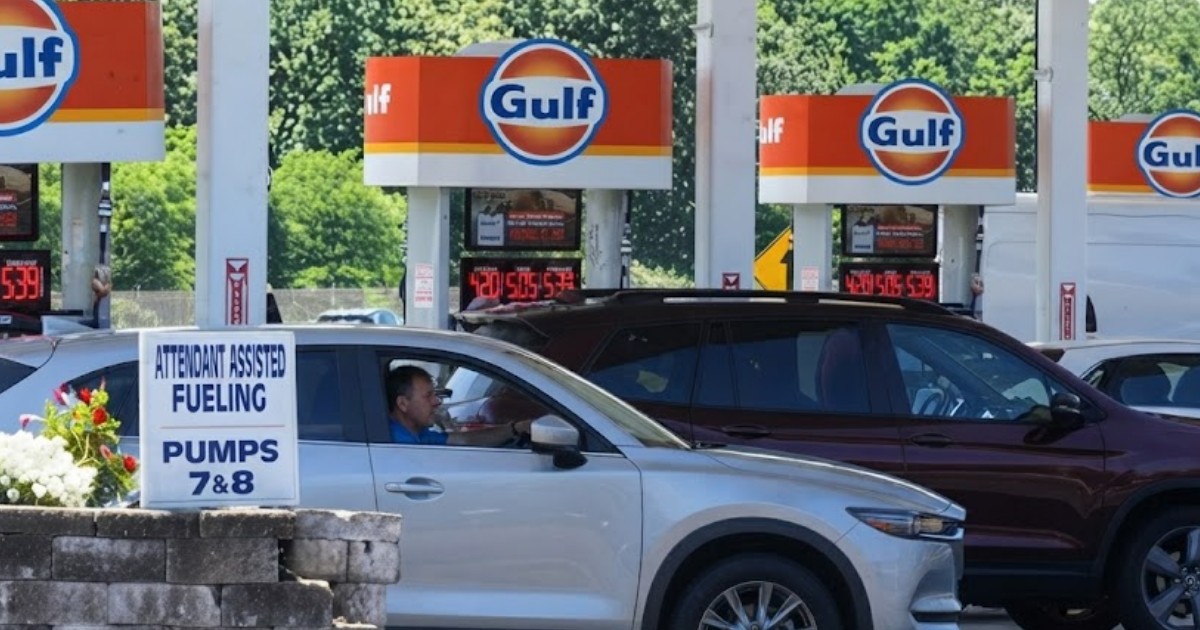
Consumer prices rose 0.1 percent on a month-to-month basis in July, bringing the annual inflation rate to 3.4 percent compared with the same period last year. While energy prices declined 1.5 percent from the previous month, they remain significantly elevated over a twelve-month horizon. Analysts note that temporary dips in crude oil and retail petrol prices provided a minor cushion for consumers, yet underlying supply constraints continue to cast a shadow over broader economic recovery efforts.
Economic experts point out that market sentiment fluctuated heavily throughout the month as traders attempted to gauge the stability of critical shipping lanes. Michael Klein, a professor of international economic affairs at Tufts University, observed that energy prices drifted downward temporarily on the assumption that regional blockades might ease, though those expectations quickly faded as hostilities persisted. Brent crude futures and retail fuel costs have subsequently mirrored these shifting geopolitical realities.
Food prices mirrored the broader trend of modest monthly increases, rising 0.1 percent in July while remaining notably higher than levels recorded a year ago. These persistent price pressures arrive in tandem with a lacklustre employment report indicating modest job losses across several domestic sectors, alongside a low-hire environment tracked by federal labor indicators. Together, these economic headwinds complicate the Federal Reserve`s ongoing balancing act.
With the central bank maintaining its benchmark interest rate target between 3.50 and 3.75 percent, financial analysts are closely divided on what monetary policy decisions will emerge from the upcoming September policy meeting. Under the leadership of Federal Reserve Chair Kevin Warsh, policymakers face the delicate task of steering inflation toward the target two percent threshold without exacerbating broader economic vulnerabilities or triggering unintended market shocks.