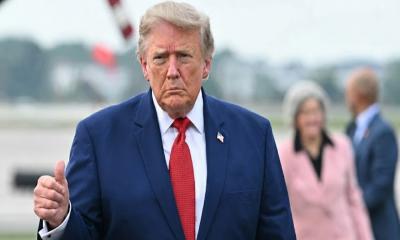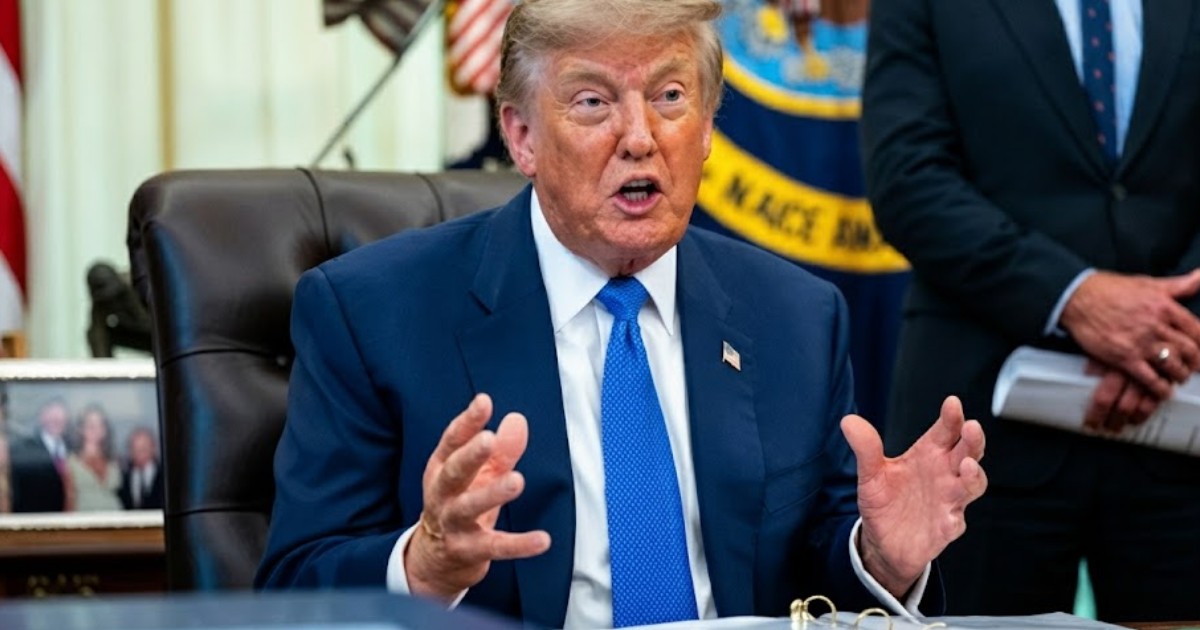
United States President Donald Trump has publicly remarked on the diminishing influence of pro-Israel lobbying groups within Congress and across the broader political spectrum in Washington, according to reports by Al Jazeera and the Associated Press. The observations were shared during a media interview where the president reflected on the shifting political dynamics surrounding foreign policy allies over recent decades.
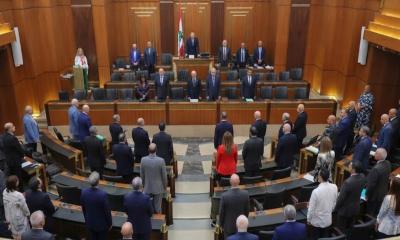
Trump observed that two decades ago, pro-Israel entities commanded arguably the most powerful lobby in the American capital, a level of dominance he suggests has visibly eroded. Pointing to current alignments within the House of Representatives, particularly among Democratic lawmakers, he noted a distinct transformation in legislative attitudes. Public opinion surveys in recent years have similarly highlighted a growing polarization and a gradual softening of traditional bipartisan consensus regarding unconditional support for the traditional ally.
This is not the first time the American leader has acknowledged a shifting baseline of support for Israel within domestic political circles. Previous remarks from the administration pointed toward generational shifts among younger voters and emerging factions within the Republican base who view foreign engagements through a different strategic lens. Concurrently, political friction has frequently surfaced between the executive branch and prominent congressional figures over legislative approaches to Middle Eastern affairs.
Political analysts suggest that prolonged regional conflicts and shifting domestic priorities are increasingly influencing how lawmakers approach foreign policy debates. While traditional institutional ties remain resilient across parts of the federal government, the vocal and unchallenged hegemony once attributed to specialized lobbying organizations is facing unprecedented scrutiny. Whether these evolving dynamics will produce lasting structural shifts in American legislative behavior remains a central question for political observers.
What remains uncertain is how these internal political realignments will shape future legislative packages and diplomatic initiatives as international pressures mount. As lawmakers navigate competing domestic expectations and global security challenges, the debate over foreign influence in Washington is expected to remain a prominent feature of ongoing political discourse.