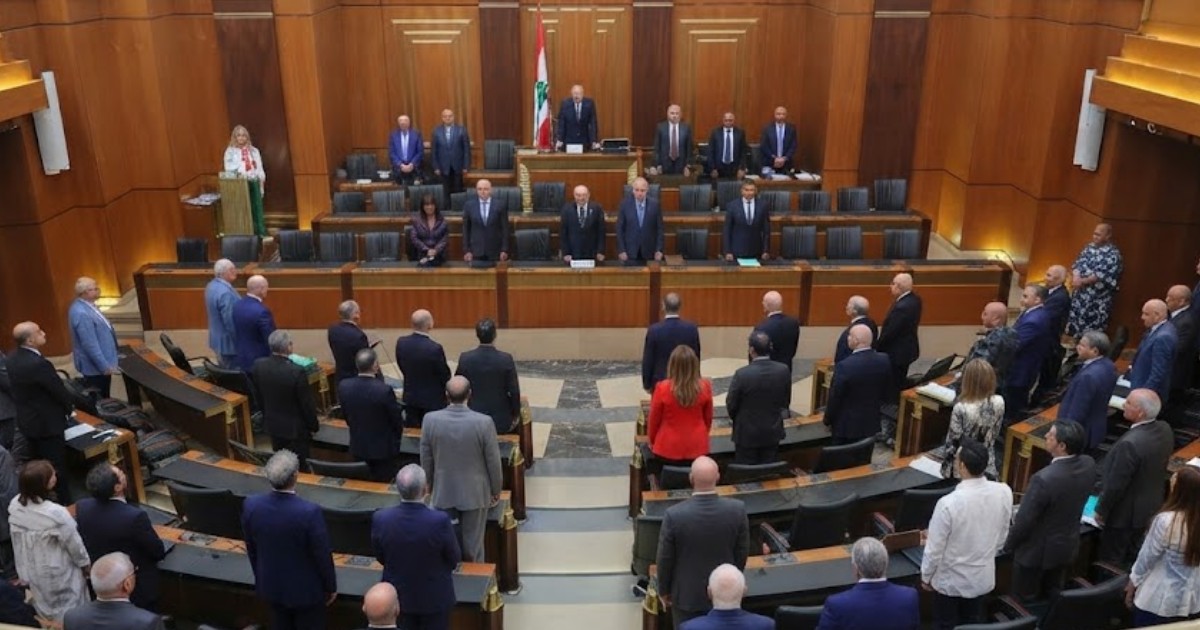
Lebanon`s parliament has approved a general amnesty law that is expected to benefit thousands of convicted prisoners, detainees, and wanted individuals, according to reports by Al Jazeera and AFP. The legislation was passed through a show-of-hands vote, marking the first law of its kind in the country since 1991. The decision follows closely on the heels of another historic move by lawmakers to formally abolish the death penalty.
The office of the country`s parliament speaker stated that the new legislation will exceptionally reduce certain prison terms. Long demanded by various political factions across the nation, the amnesty initiative aims to alleviate severe overcrowding within the prison system, where numerous inmates have historically awaited trial for extended periods. However, the measure has also drawn criticism and backlash from family members of slain soldiers and servicemen who fear that perpetrators of past violence might receive undue leniency.
According to data from the national human rights commission, Lebanese correctional facilities have faced an alarming overcrowding rate reaching 300 percent, with prison authorities documenting thousands of inmates. Lawmakers supporting the bill noted that the framework will effectively reduce death sentences and life imprisonment terms to a defined number of prison years, while also paving the way for the release of specific detainees who have languished without formal charges for years.
The political momentum behind the general amnesty grew significantly following the fall of longtime Syrian president Bashar al-Assad, as authorities grappled with the legal status of individuals imprisoned over events tied to the regional conflict. Various political forces, including northern factions and Iran-backed groups, have long advocated for relief regarding diverse offenses. Christian political parties similarly pushed for provisions covering individuals who fled to neighboring territories decades ago.
While political leaders have praised the long-awaited passage as a necessary step toward justice and national reconciliation, the broader implications for public security and judicial fairness remain a subject of intense debate. Legal experts and human rights monitors are closely observing how authorities will implement the measures as the country navigates this major legislative shift.