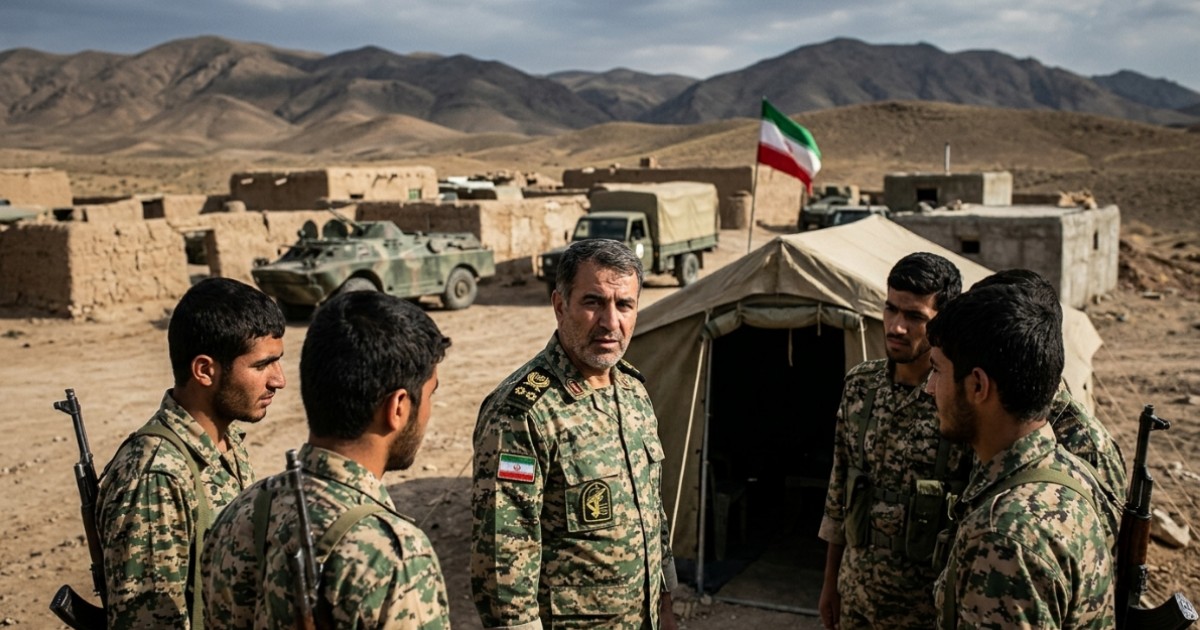
Iran remains deeply defiant after nearly six months of conflict with the United States, signaling through its newly appointed security leadership that Tehran has no intention of backing down without substantial concessions, according to reports by Al Jazeera and Reuters. The uncompromising stance comes at a time when diplomatic channels remain severely strained across the wider Middle East.
Shortly after holding discussions with China`s ambassador in Tehran, Iran`s newly installed security chief delivered a stark message regarding the nation`s strategic posture. He emphasized that the critical Strait of Hormuz will not reopen until Washington completely ends military hostilities, lifts maritime blockades, releases frozen national assets, and agrees to comprehensive ceasefires spanning Lebanon and Gaza. Until these stringent conditions are fully satisfied, leadership maintains that the vital shipping lane will remain tightly restricted.
The former wartime commander-in-chief of the Islamic Revolutionary Guard Corps asserted that authorities are fully prepared to sustain their defensive posture. This uncompromising rhetoric mirrors the positions articulated by predecessor officials as the country attempts to project strength against ongoing Western pressure. Analysts note that Iranian military planners believe domestic defense industries have successfully replenished missile and drone inventories despite months of active engagement.
During his inaugural diplomatic engagement leading the Supreme National Security Council, the senior official pressed for deeper strategic cooperation with Beijing. He commended China`s diplomatic resistance against US-sponsored measures targeting Tehran at the international level while clarifying that separate diplomatic tracks involving regional interlocutors remain distinct from Washington`s direct influence. Despite these diplomatic overtures, a finalized arrangement concerning maritime transit through Omani mediation has yet to materialize concretely on the ground.
What remains unclear is how long international markets can absorb the persistent disruptions affecting critical waterways like the Red Sea and the Bab al-Mandeb Strait. While regional authorities project confidence in their capacity for protracted resistance, diplomatic observers continue to warn that the lack of a tangible compromise significantly elevates the risk of broader economic fallout and prolonged regional instability.