Farmers across the United Kingdom are grappling with one of the driest and hottest growing seasons in decades, which is significantly impacting the appearance and yield of fresh produce, according to reports by BBC News and The Guardian. Repeated heatwaves following an unusually warm spring have raised concerns over potential harvest shortages, forcing a shift in how retailers approach fresh fruits and vegetables.
Supermarkets traditionally enforce strict cosmetic guidelines regarding the size, shape, and color of fresh produce. However, with supplies under mounting pressure due to severe weather conditions, many retailers are loosening those rules to prevent empty grocery shelves. Shoppers are increasingly likely to encounter smaller, irregularly shaped, or discolored vegetables that remain entirely safe and delicious to consume.
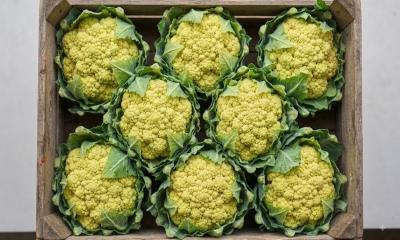
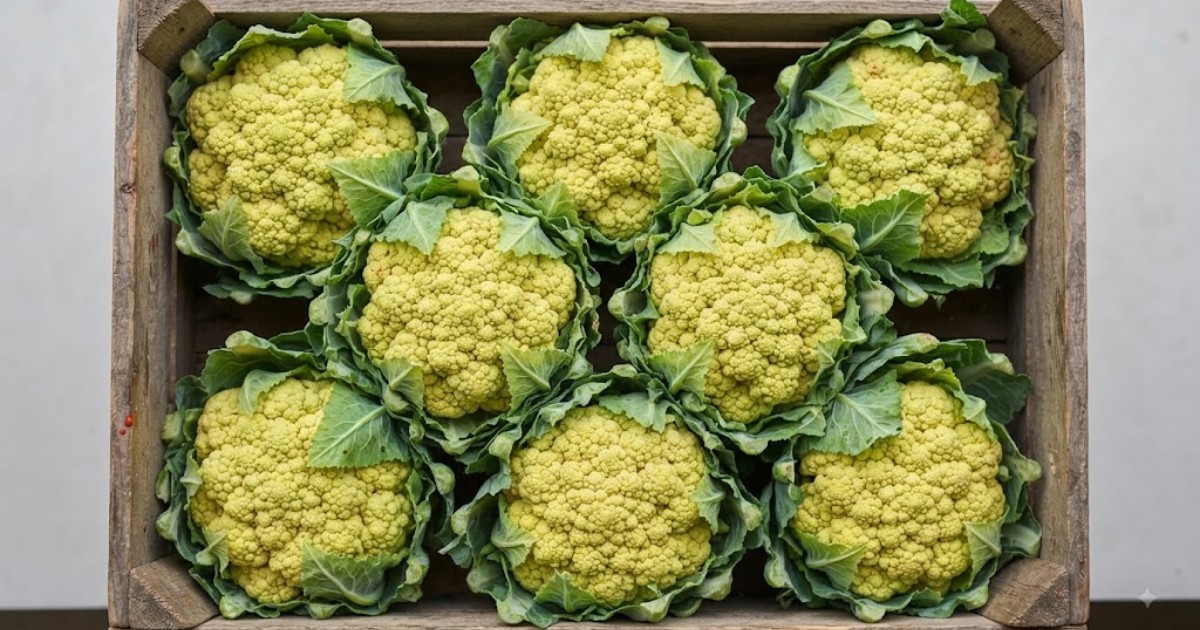
Cauliflowers have been among the hardest hit by the extreme temperatures because they require substantial moisture to thrive. Normally shielded from direct sunlight by surrounding leaves, many cauliflower heads are receiving excess light this season, turning them a yellowish tint rather than their standard stark white. Agricultural experts emphasize that this color shift is purely cosmetic and does not alter the taste or nutritional value of the vegetable.
Greenhouse crops like cucumbers are also experiencing heat-related stress, causing them to curl backward into unusual spiral shapes as extreme outdoor temperatures overwhelm cooling systems. Meanwhile, farmers report an increase in pest activity, such as flea beetles thriving in dry conditions and chewing tiny holes in leafy greens like pak choi. Despite these visual imperfections, growers and distributors are urging consumers to embrace wonky produce to reduce food waste.
What remains uncertain is how agricultural frameworks will adapt if extreme weather events become increasingly frequent in the coming years. While temporary rule adjustments by retailers provide immediate relief for current supply chain strains, long-term sustainability strategies will be vital for future food security. Industry observers continue to monitor weather patterns closely as growers navigate these unprecedented seasonal challenges.