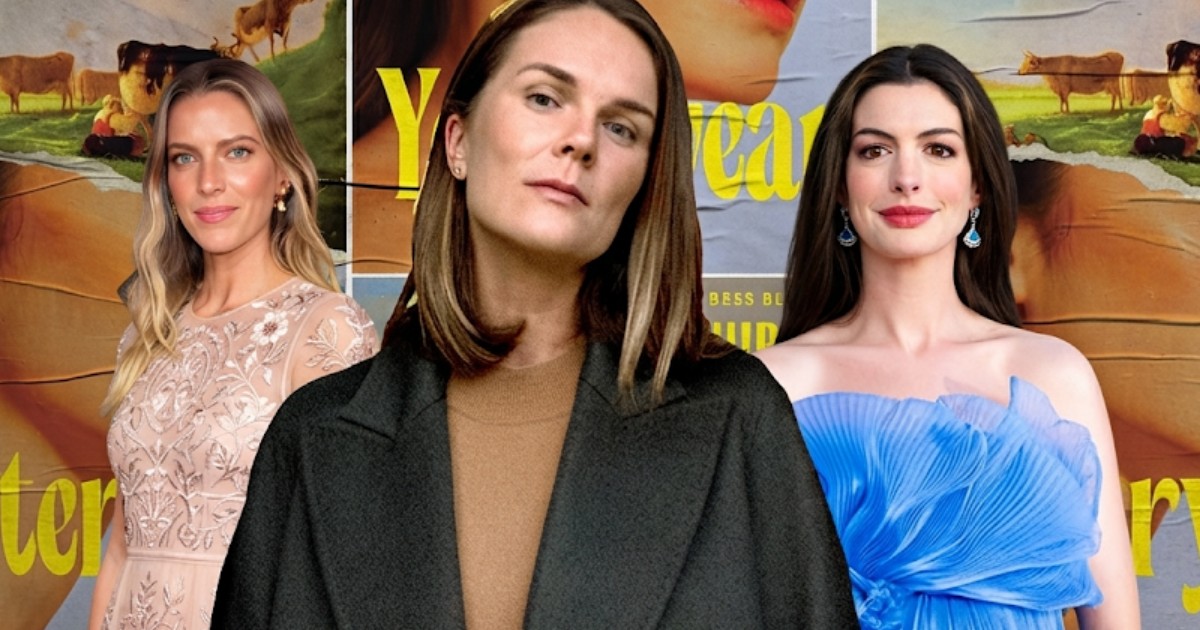
Caro Claire Burke`s debut novel Yesteryear has quickly emerged as the defining literary sensation of the season, capturing the public imagination with its sharp satirical take on modern womanhood and the viral tradwife phenomenon. Published in April to widespread acclaim, the book has enjoyed a meteoric rise, spending consecutive weeks on the New York Times bestseller list while topping the Sunday Times hardback fiction chart in the United Kingdom. Across beaches, airplanes, and cozy reading nooks worldwide, readers are devouring its pages, turning the novel into a massive cultural talking point across social media literary spaces like BookTok and Bookstagram.
At the heart of the narrative is Natalie Heller Mills, a thirty-two-year-old married mother of five who documents her seemingly idyllic existence on a five-hundred-acre Idaho farm for millions of adoring online followers. Her character mirrors real-life internet subcultures where women champion traditional gender roles, positioning men as primary breadwinners while prioritizing homemaking and child-rearing. Natalie bakes sourdough bread, home-schools her children, and harvests fresh eggs every morning with a gleaming smile for the camera. Yet beneath this polished veneer lies a carefully constructed façade designed to maximize engagement and financial gain in the modern attention economy.
The central premise of the novel takes a surreal turn when Natalie is abruptly transported back in time to the year eighteen hundred and fifty-five. Forced to live out the raw reality of the historical era she has long romanticized on social media, the protagonist encounters a brutal existence far removed from her curated digital fantasy. The book alternates seamlessly between present-day influencer culture and a nightmarish historical past, gradually revealing the mysterious circumstances behind her displacement. This clever framing device allows the author to examine the profound disconnect between romanticized historical ideals and actual historical hardships.
A significant catalyst for the book`s explosive popularity has been intense promotional backing alongside high-profile endorsements, most notably from Academy Award-winning actress Anne Hathaway. Having secured early manuscript rights, Hathaway plans to produce and star in the upcoming feature film adaptation, drawing even greater mainstream attention to the project. However, the true driving force behind the novel`s appeal is its irresistible hypothetical premise: placing a contemporary influencer into the unforgiving realities of pioneer life and granting readers a front-row seat to her psychological unraveling.
Cultural critics and literary scholars have noted that the tradwife figure represents a fascinating paradox within contemporary society. On the surface, these influencers outwardly reject careerism and modern feminist trajectories, yet they simultaneously operate highly lucrative digital businesses and media empires. This inherent contradiction makes them prime subjects for cultural dissection, particularly among progressives who view conservative female influencers with a mixture of fascination and alarm. Novels like Yesteryear crystallize these societal tensions, providing readers with a safe literary vehicle to debate deeply personal questions surrounding marriage, motherhood, and career choices.
Many literary critics and avid readers have drawn direct parallels between the fictional Natalie and real-life internet personalities such as Hannah Neeleman, widely known as Ballerina Farm. A mother of nine and a Juilliard-trained dancer, Neeleman shares dispatches from her Utah farm with millions of devoted followers across Instagram. Both figures share elite educational backgrounds, early marriages into wealth, and the successful commercialization of their domestic lives. Despite such public scrutiny, real-life figures have largely brushed off the fictional comparisons, acknowledging that public entertainment often feeds on magnified versions of reality.
The author’s background as a former journalist reporting extensively on the tradwife movement proves instrumental in grounding the novel`s biting satire. Her deep familiarity with online discourse allows the book to brilliantly capture the symbiotic relationship binding influencers and their detractors together. As experts point out, haters remain psychologically incapable of looking away, while influencers ultimately rely on that engagement to sustain their algorithms. This delicate dance of digital validation and hostility forms the backbone of the novel`s exploration of modern womanhood.
Natalie herself is deliberately crafted as an intensely flawed, unreliable, and often unlikable protagonist. While her judgmental attitude toward both her passive husband and hostile online commentators can alienate readers, her vulnerability also evokes genuine sympathy. She navigates a world structured by systemic pressures while attempting to reconcile her deeply ingrained ideological beliefs. This psychological complexity ensures that readers remain sharply divided over whether to pity her struggles or condemn her manufactured lifestyle choices.
Critics remain divided on whether the novel delivers a coherent critique of contemporary culture or simply wallows in general pessimism about female unhappiness. Some scholars argue that by making the protagonist excessively unlikable, the narrative occasionally obscures deeper psychological insights into the tradwife phenomenon. Nevertheless, the overwhelming consensus among cultural commentators is that the book`s greatest achievement lies in its ability to provoke passionate, unfiltered dialogue among its audience.
Ultimately, Yesteryear transcends traditional fiction by functioning as a multifaceted cultural mirror reflecting our collective obsession with digital validation, influencer economics, and societal expectations. Whether readers view it as a brilliant satire or a bleak psychological portrait, the novel has successfully ignited vital conversations about the choices women face today. As the literary world continues to debate its merits, Burke`s explosive debut stands as a compelling testament to the power of storytelling in navigating the complexities of the digital age.