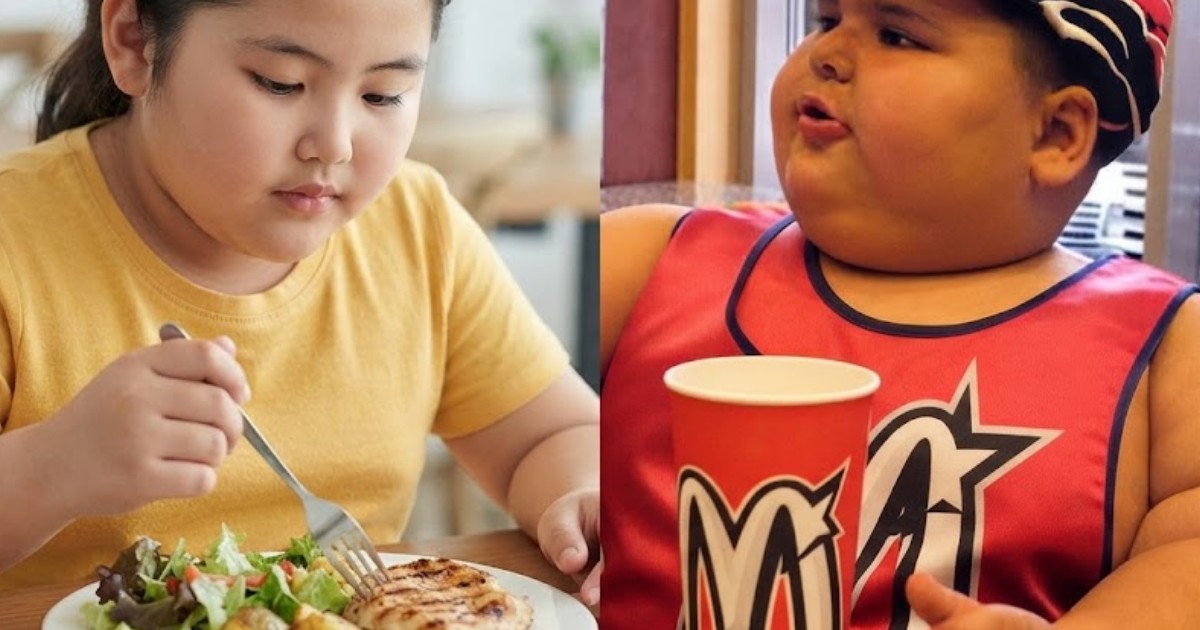
Italy is currently confronting an alarming child obesity epidemic that has reached unprecedented proportions across the nation. The severity of the crisis is highlighted by extreme cases where young children are barred from local gyms due to severe weight issues, while toddlers as young as two and three are so accustomed to juices and fizzy drinks that they struggle to drink plain water. Long celebrated globally as the spiritual home of the healthy Mediterranean diet, Italy now finds its younger generation ranking as the second most overweight within the European Union, sparking profound concern among public health experts and government officials alike.
The rapid generational shift in dietary habits is complex and fiercely debated by researchers across the country. Nutrition experts attribute the crisis to a daily diet heavily dominated by pasta, pizza, potatoes, bread, and heavy meat proteins. At the same time, parents report that teenagers often consume a full family dinner at home only to venture out afterward to binge on calorie-dense fast food. Critics also point the finger directly at parents, accusing them of overindulging children with processed foods and sugary beverages from an extremely early age, thereby establishing unhealthy lifelong habits that prove difficult to break later in adolescence.
In response to mounting public health warnings, Italian authorities have begun implementing aggressive measures to combat the spreading crisis. Italy recently made international headlines by becoming one of the first countries in the world to officially recognize obesity as a chronic disease, shifting the medical and political framework surrounding weight management. As part of this broader strategy, an ambitious clinical trial is being rolled out across twenty-five secondary schools in the southern Campania region, including Naples, aimed at encouraging pupils to adopt healthier eating habits before irreversible health damage occurs.
Educational institutions in Naples and surrounding areas are serving as the frontline for these trials, testing whether structured dietary interventions within school environments can successfully reverse unhealthy trends among teenagers. Public health officials emphasize that tackling the epidemic requires a combination of clinical intervention, school-level education, and renewed parental accountability. While the trial represents an important step forward, medical professionals acknowledge that shifting cultural habits deeply ingrained in modern Italian society will require sustained, long-term effort across multiple fronts.
Reporting from Naples, BBC journalist Sofia Bettiza has shed light on the multifaceted nature of the crisis, capturing the tension between Italy`s culinary heritage and the harsh modern reality of childhood health statistics. As local schools begin implementing these trials and policymakers debate further regulatory steps, the international community is watching closely. Whether Italy can successfully turn the tide on its child obesity epidemic remains uncertain, but the nation`s proactive stance offers critical lessons for other countries grappling with similar public health challenges in the modern era.