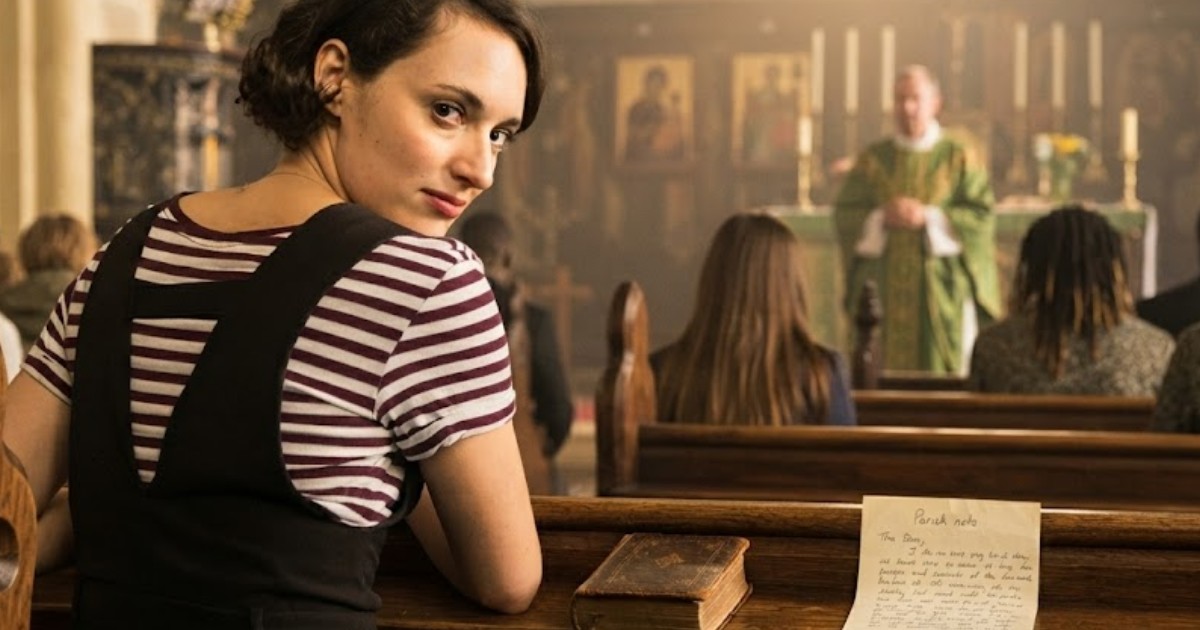
A decade ago, Phoebe Waller-Bridge introduced television audiences to a dark comedy about a sharp, witty, and deeply pained young woman navigating the chaos of modern life. What began as a one-woman stage production at the Edinburgh Festival Fringe evolved into a groundbreaking television series that debuted on the UK broadcasting channel BBC Three before capturing international acclaim on Prime Video. The series quickly transcended conventional entertainment boundaries to become a cultural phenomenon, earning numerous accolades including Baftas, Emmys, and Golden Globes. By challenging narrative norms and presenting raw emotional honesty, the production permanently altered the global television landscape.
The monumental success of the series served as a powerful catalyst for a new wave of female television creators and auteurs. For decades, the television industry remained heavily male-dominated, offering limited space for authentic women-led narratives. The commercial and critical triumph of Waller-Bridge`s creation, alongside similar groundbreaking projects, demonstrated to network commissioners that there was both a critical need and a massive global appetite for diverse female perspectives. In the years following its release, the industry witnessed a surge of complex, edgy, and emotionally rich series helmed by talented women across the United Kingdom and beyond, establishing a direct legacy of creative freedom that continues to influence contemporary programming.
Furthermore, the series cemented the archetype of the messy woman on screen, showcasing a protagonist who was unapologetically flawed, erratic, and dealing with profound personal grief through reckless behavior. Prior to this cultural milestone, female lead characters on television were rarely permitted such sprawling imperfections without moral redemption arcs. However, this trope has also sparked significant debate among critics and cultural analysts. While some commentators argue that the messy millennial woman archetype has devolved into a tedious and reductive stereotype that monopolizes female representation, industry defenders maintain that the profound emotional truth of the character reflects the actual complexities of human existence.
Another defining characteristic popularized by the series is the prominent use of the trauma plot, where a character`s present behavior is systematically explained through past grief and psychological wounds. This narrative device has become a staple in modern television writing, though it has also faced intellectual pushback from critics who question whether reducing characters to a set of psychological symptoms deepens their narrative or flattens them. Despite these artistic debates, screenwriters note that human beings are fundamentally shaped by their experiences, making the integration of past trauma into character arcs a natural evolution of realistic storytelling.
The distinctive technique of breaking the fourth wall also gained renewed popularity following the series` broadcast. By turning directly to the audience to share cynical asides, dark humor, and innermost vulnerabilities, the protagonist established an intimate connection with viewers that theatrical productions had utilized for centuries. Although subsequent television projects have attempted to replicate this device with varying degrees of success—sometimes drawing criticism for feeling gimmicky—its original execution was rooted in strong theatrical traditions. Creative professionals continue to weigh the artistic benefits of direct audience address against the risk of relying on familiar narrative tropes.
Beyond narrative devices, the cultural discourse surrounding the series opened up vital conversations regarding class, privilege, and representation in storytelling. Critics frequently pointed out that the narrative primarily reflected the specific worldview and struggles of privileged, middle-upper-class white women, prompting ongoing debates about who gets to tell women`s stories in mainstream media. As the television industry moves forward, creators and critics alike continue to examine how to expand the boundaries of representation so that stories encompass a wider diversity of human experiences. Ten years after its debut, the enduring cultural footprint of the series remains a testament to the power of bold, uncompromising storytelling in shaping modern media.