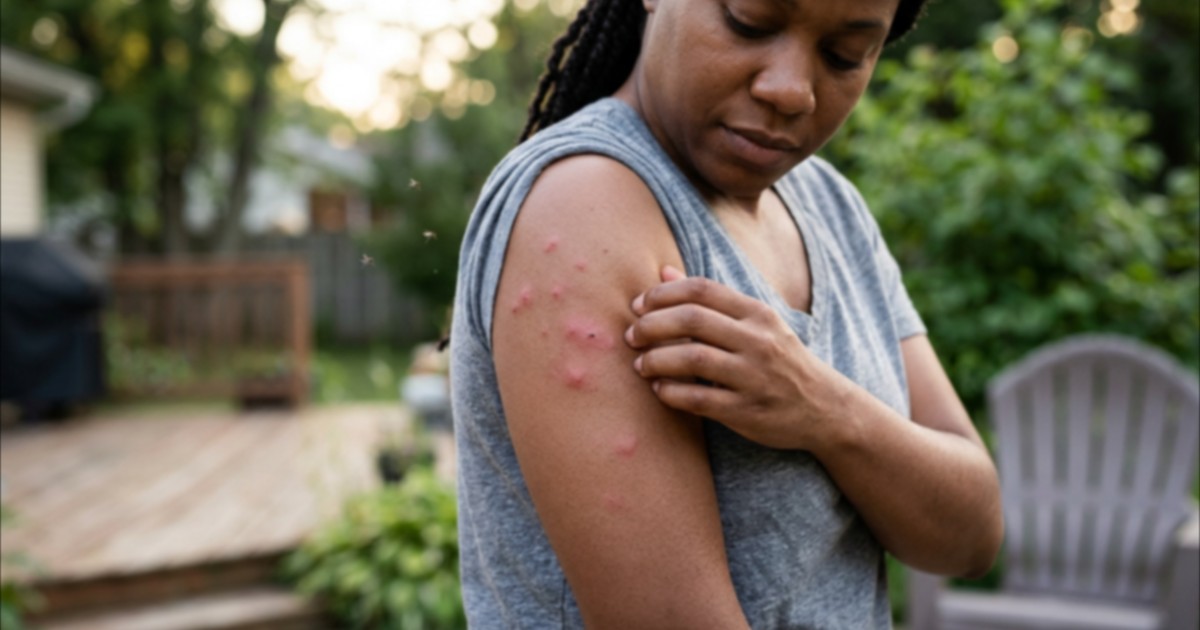
Many people believe they are mosquito magnets, often enduring multiple bites while those around them remain unaffected. Scientific research confirms that this is not merely a coincidence but a result of specific biological markers that humans exude. Mosquitoes utilize a sophisticated system of olfactory and visual cues to identify potential hosts from as far away as ten meters. The biological factors determining who gets bitten include breath composition, body temperature, and the unique chemical profile of one’s skin.
Female mosquitoes are the only ones that bite, as they require the protein found in human blood for egg development. They are primarily drawn to carbon dioxide (CO2), which humans exhale in plumes. Adult humans typically attract more mosquitoes than children because they exhale higher volumes of CO2. Furthermore, research indicates that body heat and moisture enhance this attraction. Pregnant women, for instance, are often found to be more attractive to mosquitoes due to increased metabolic demands and higher CO2 exhalation, which effectively makes them warmer targets.
Beyond breath and heat, skin odor plays a critical role as a mosquito closes in on a target. Scientists, including those from Durham University, have debunked the long-standing myth that dietary habits like eating garlic significantly alter a person’s attractiveness to mosquitoes. Instead, the focus has shifted to the skin microbiome. Our skin hosts a variety of bacteria that break down carbohydrates and fatty acids into volatile organic compounds. These compounds evaporate into the air, creating a unique scent profile for every individual. Research published by institutions such as Wageningen University suggests that individuals with a less diverse but more abundant bacterial community on their skin tend to be more alluring to specific mosquito species.
Genetics also play a significant role in determining how attractive a person is to mosquitoes. Studies conducted on identical versus non-identical twins have shown that the biological markers influencing "bite-ability" are often inherited. Additionally, immune system genes influence how our bodies react to bites. Some individuals may perceive themselves as being bitten more frequently simply because they have a more intense physiological reaction—resulting in larger welts and increased itching—whereas others may be bitten just as often but show minimal symptoms.
For those looking to minimize the number of bites they receive, medical entomologists recommend relying on proven prevention methods rather than dietary adjustments. The use of verified repellents containing DEET, picaridin, or PMD is highly recommended. Protective clothing, particularly long sleeves and trousers treated with insecticides, can also act as an effective barrier. As protection fades over time due to sweat or environmental exposure, regular reapplication of repellents remains the most reliable strategy for avoiding bites during the warmer months.