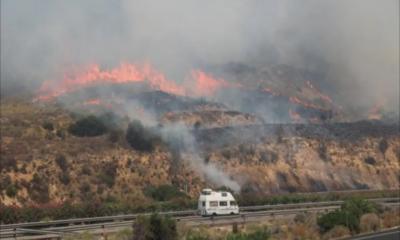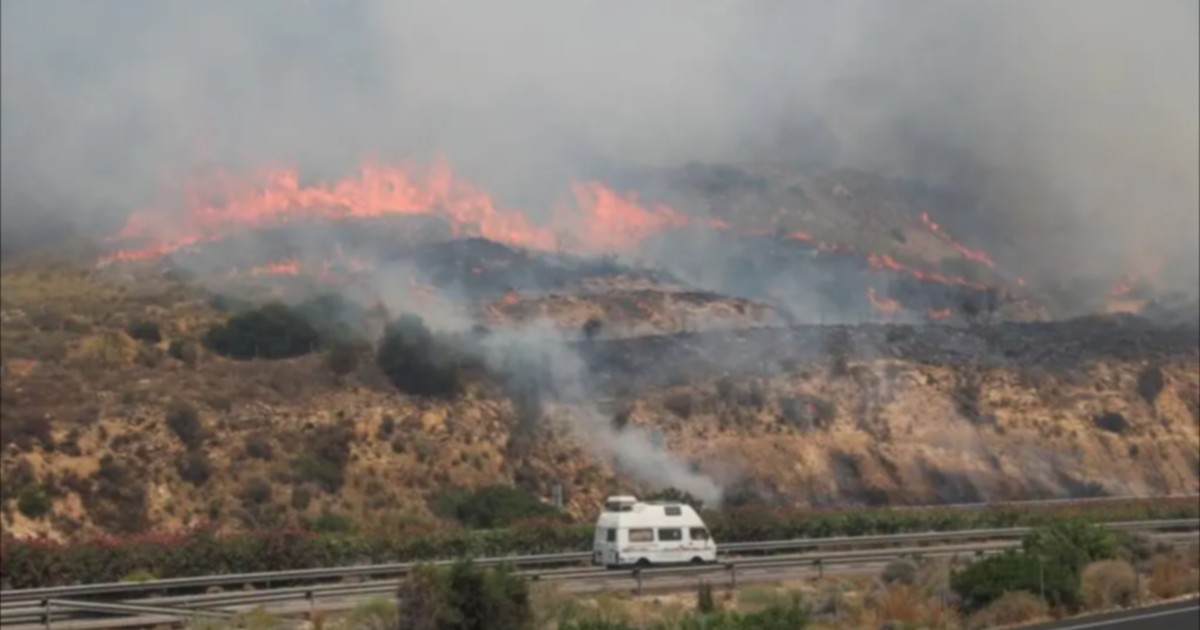
At least 12 people have died and 23 remain missing following a fast-moving and devastating wildfire in southern Spain. The blaze tore through the Almería province, trapping both residents and visitors as flames spread rapidly across dry hillsides near the villages of Los Gallardos and Bédar. Hundreds of emergency personnel continue to search for the missing while working tirelessly to contain the fire, which has already scorched thousands of hectares of forest and farmland.
The fire broke out on Thursday afternoon during Spain’s second intense heatwave of the summer. Strong winds and extreme dryness allowed the flames to spread across a large area within just a few hours. Juan Manuel Moreno, president of the Andalusian regional government, described the wildfire as one of the most complex and rapid-moving disasters seen in the region in recent memory. He confirmed that 12 people have lost their lives and 23 others are still unaccounted for, though authorities remain hopeful that some of the missing may have reached safety without yet contacting their families.
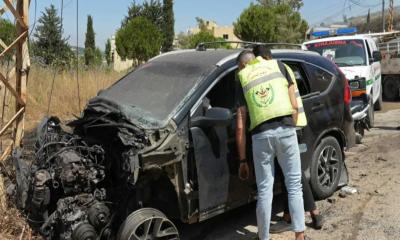
According to regional emergency minister Antonio Sanz, many of the victims were discovered in and around the village of Bédar. Several individuals reportedly ignored official evacuation instructions and attempted to escape through a dry riverbed, which tragically became a trap as the fire moved with unpredictable speed. Authorities found four of the victims inside a charred right-hand-drive vehicle, leading investigators to believe they were British nationals. The remaining victims were discovered after apparently abandoning their vehicles and attempting to escape on foot. DNA testing is currently underway to formally identify the victims, as many of the bodies were severely burned.
This disaster ranks among the deadliest wildfires in recent Spanish history, drawing comparisons to the 2005 Guadalajara fire, which claimed the lives of 11 volunteer firefighters. The scale of the tragedy has also revived memories of devastating fires in 1994, 1984, and 1979, which collectively saw dozens of casualties across the country. Spanish Prime Minister Pedro Sánchez expressed his profound sadness and stated that all available national resources have been deployed to support the emergency operations and the affected families.
The current situation remains precarious as temperatures approach 40°C across parts of the country. Experts point to early summer heatwaves and prolonged drought as primary factors that have created tinderbox conditions for such large-scale fires. Scientists have repeatedly warned that rising temperatures linked to climate change are increasing the frequency and intensity of these heatwaves, making Southern Europe increasingly vulnerable to fast-moving infernos. While firefighters have managed to bring the blaze partially under control, changing wind conditions threaten to complicate efforts, keeping the region on high alert.