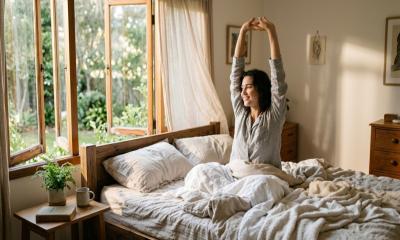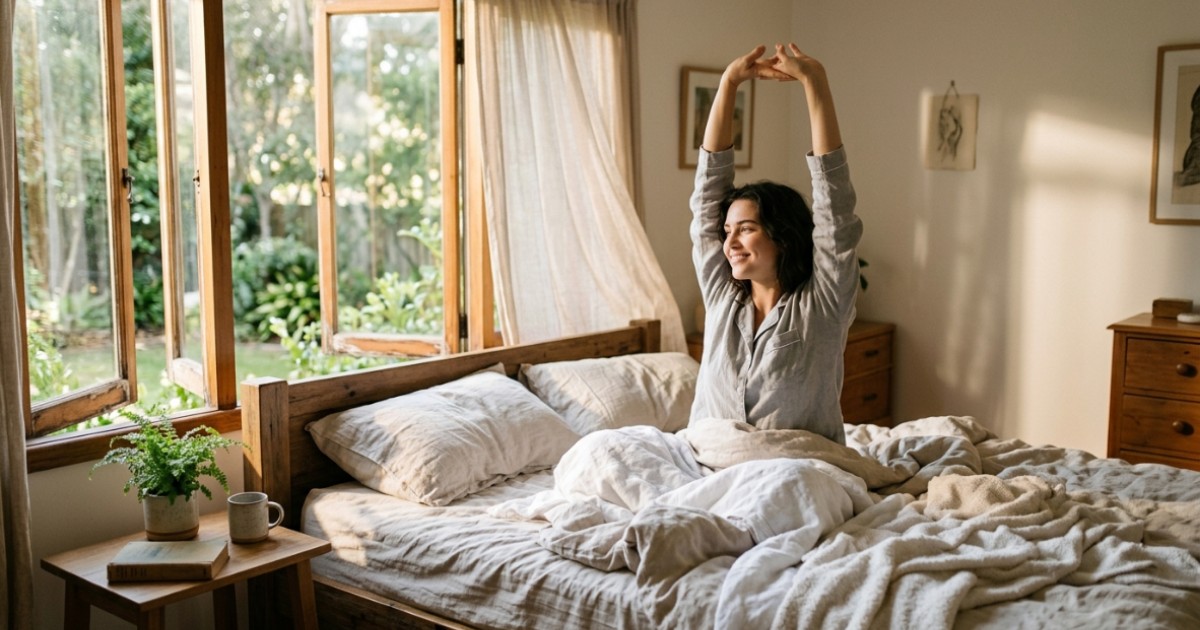
People can successfully train their bodies to wake up naturally without relying on an alarm clock by adopting consistent sleep routines and optimizing environmental factors, according to a report by BBC News. Writer Ally Hirschlag explored sleep habits alongside leading researchers to understand how circadian rhythms can be effectively reset for smoother, groggy-free mornings. Maintaining a regular sleep schedule is central to allowing the body internal clock to function as intended without artificial interruptions.
Sleep experts emphasize that going to bed and waking up at consistent times every single day helps signal the brain when to rest and when to be alert. Helen Burgess, co-director of the sleep and circadian research lab at the University of Michigan, noted that a structured nighttime routine trains the body to relax automatically. Furthermore, exposing oneself to bright morning sunlight immediately upon waking triggers a surge of cortisol, a hormone that promotes natural alertness and establishes healthy daytime biological rhythms.
Environmental obstacles, particularly the nighttime use of smartphones and exposure to blue light, remain major hurdles to achieving quality rest. Researchers point out that evening social media scrolling stimulates dopamine production and disrupts melatonin synthesis, making it significantly harder to fall asleep peacefully. Implementing digital boundaries, such as restricting phone usage hours before bed and keeping the bedroom at a cool temperature, creates optimal conditions for deep restorative slumber.
While shifting to an alarm-free lifestyle requires dedication and environmental adjustments, experts maintain that human biology readily adapts to structured habits. By prioritizing consistent sleep durations, managing light exposure, and winding down methodically, individuals can improve their overall health and wake up feeling refreshed every single morning. This comprehensive approach offers a sustainable alternative to chronic alarm dependency and morning fatigue.