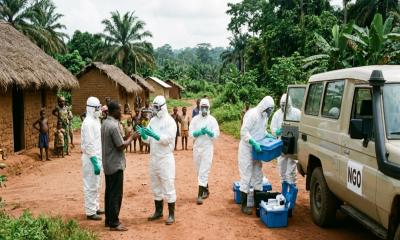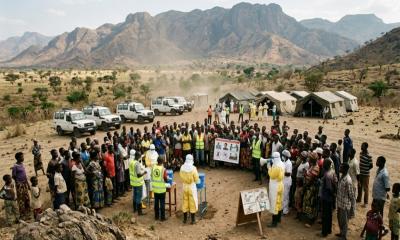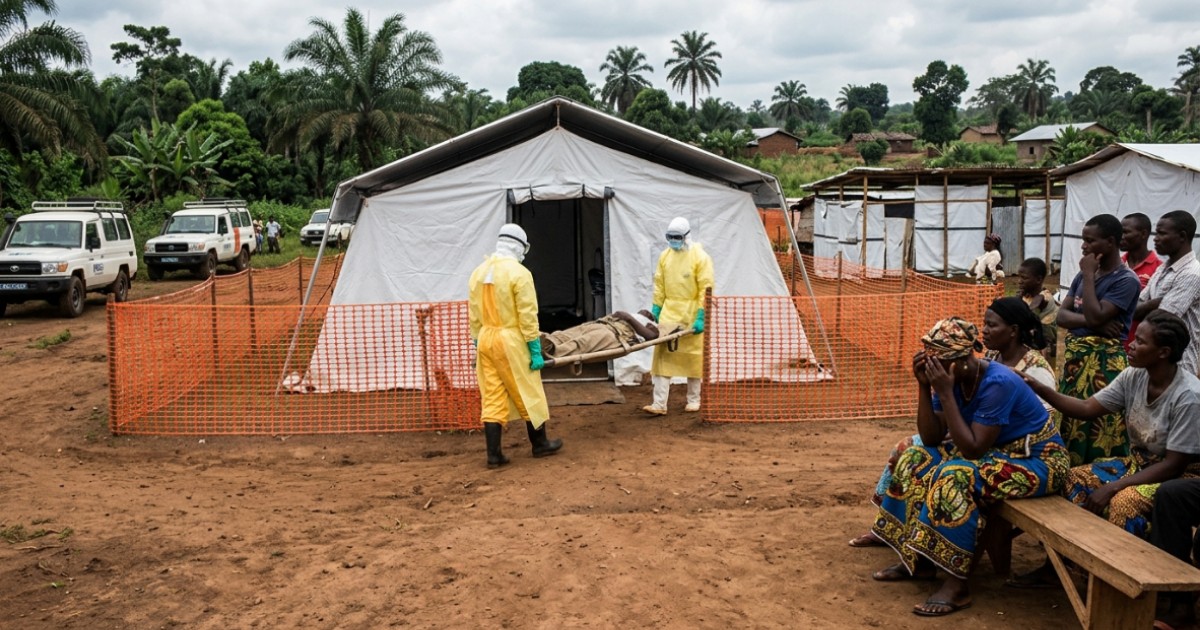
The Ebola virus continues to spread exponentially across the Democratic Republic of the Congo, prompting urgent warnings from the United Nations regarding the deteriorating situation. According to reports from Al Jazeera, AFP, and Reuters on Friday, the official death toll from the current outbreak has surpassed 2,500. UN Senior Ebola Coordinator Julien Harneis stated that the epidemic is currently spreading faster and wider than at any previous point in the crisis, and warned that available financial resources will be exhausted within the coming weeks without an immediate influx of aid.
Containment efforts, which began when the outbreak was identified in May, have faced relentless operational hurdles. The eastern region of the DRC, characterized by three decades of ongoing conflict and severely limited infrastructure, presents an extremely difficult environment for medical teams. Harneis reported that health workers are not only battling the virus but are also facing hostile reactions from local communities. Over 260 attacks against health facilities and personnel have been documented in the last six months alone, resulting in the deaths of eight staff members, while more than 160 healthcare workers have contracted the virus, leading to 43 fatalities.
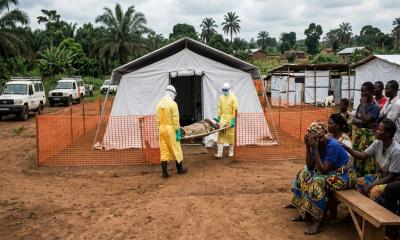
Societal distrust remains a significant barrier to effective containment. Aid organizations have observed that many local residents believe conspiracy theories regarding the nature of the outbreak, viewing it as a fabrication rather than a public health threat. These misconceptions frequently lead to violent clashes when health protocols, such as strict safe and dignified burial requirements for those who have died from the virus, prevent families from observing traditional funeral rites. The medical response is further hampered by the lack of an available vaccine for the rare Bundibugyo strain of the Ebola virus, which induces severe hemorrhagic fever in infected individuals.
The United Nations has emphasized that the humanitarian needs in the region remain immense, exacerbated by the cumulative effects of long-standing instability. Harneis warned that without a significantly ramped-up response, including increased staffing and sustained resource delivery to remote sectors, the epidemic risks spilling over into neighboring nations. International observers and humanitarian agencies are urging global partners to prioritize funding and security support to enable health teams to operate safely. As the situation nears a critical point, the international community faces growing pressure to avert a wider regional health catastrophe.