Motorists in Moscow have been enduring lengthy queues at petrol stations as a growing fuel shortage grips parts of Russia following recent drone strikes on oil refineries, according to the BBC. The disruptions have left drivers waiting hours for fuel, with many stations running entirely dry and unable to provide immediate timelines for resupply. Russian officials have attributed the shortages to unscheduled repairs at oil refineries, which have been heavily impacted by long-range drone attacks throughout the summer months.
This marks the second major wave of fuel distribution problems to hit the country this year, with drivers reporting empty petrol stations across provincial highways leading into the capital. The scarcity has forced energy authorities to take extraordinary measures, including beginning fuel imports—a striking development for a nation widely recognized as a global energy superpower and leading crude oil exporter. Additionally, the government has temporarily authorized the production and distribution of lower-grade fuel, such as Euro 2, which contains significantly higher sulfur levels and was previously banned in Russia more than a decade ago.
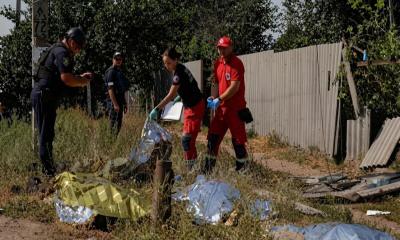
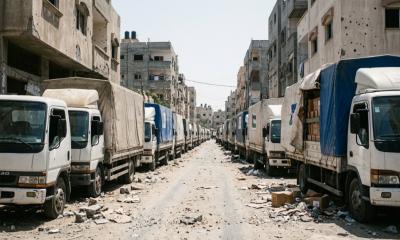
Economic analysts and motoring experts have warned that regular use of lower-grade fuel can severely degrade engine components, increasing stress on fuel injectors, spark plugs, and catalytic converters. Beyond the energy sector, Ukrainian strikes targeting major distribution hubs have also disrupted retail supply chains and created economic pain for online sellers and shoppers. Despite these visible disruptions, President Vladimir Putin asserted that industrial facility attacks do not carry critical consequences and insisted that the national situation remains fully under control.
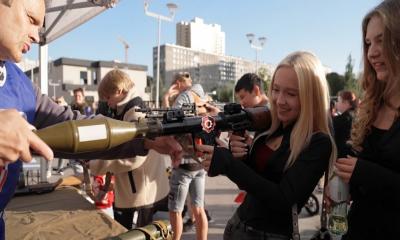
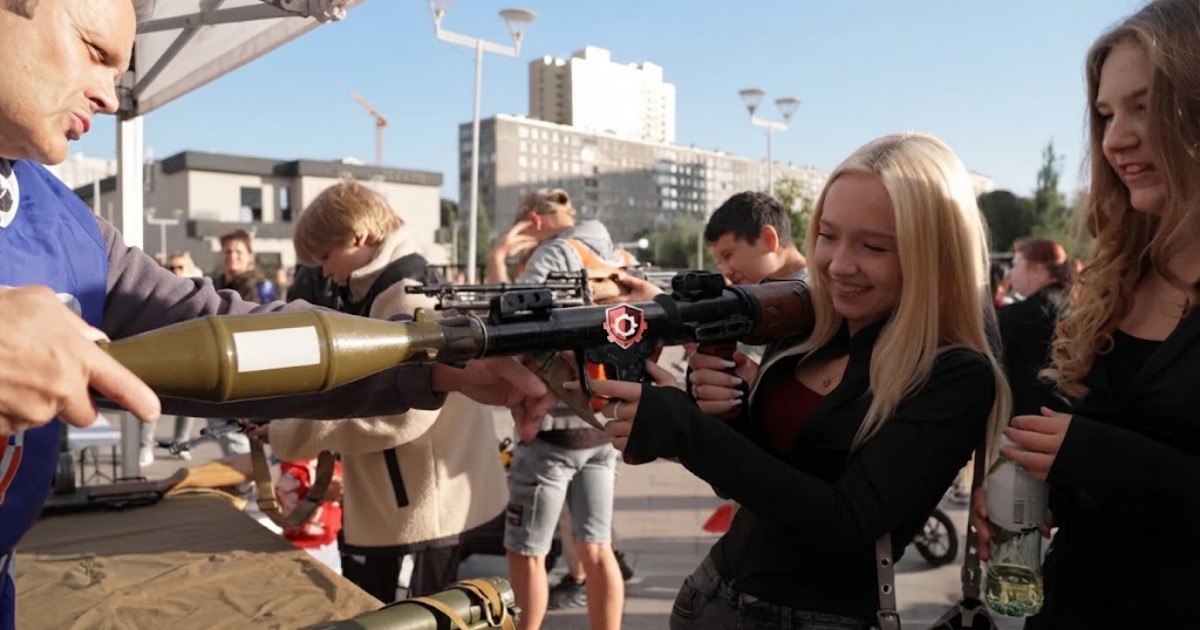
However, independent commentators and recent public opinion polling indicate that societal anxiety is steadily rising, contrasting sharply with official government messaging. Citizens across Moscow and surrounding regions report growing psychological strain from air raid concerns, high prices, and supply bottlenecks. While local authorities have organized public celebrations featuring patriotic concerts, candyfloss stalls, and military hardware displays for Russian Flag Day, public sentiment reflects deep-seated uncertainty about the future.
The juxtaposition of festive patriotic events and long petrol queues highlights the complex reality of life in Russia under wartime conditions. Observers note that while official channels emphasize national unity and resilience, ordinary citizens are increasingly focused on navigating immediate economic hardships and adapting to an uncertain horizon. As the conflict continues to ripple through domestic infrastructure, the long-term economic and psychological toll on the civilian population remains a central challenge for the leadership.
The psychological toll is compounded by the constant background hum of the conflict, with nighttime explosions rattling windows in certain suburban areas and reminding residents of the war`s proximity. Many citizens express a sense of resignation, feeling that they have little influence over broader geopolitical events and must simply focus on personal endurance. This quiet adaptation has become a defining feature of daily life, where expressions of patriotism coexist uneasily with practical struggles at the pump and rising living costs.