A new generation of Israeli settlers has returned to the closed settlement of Kadim in the occupied West Bank, defying international protests, BBC News reported on Thursday. Thirty pioneer families arrived at the site from Tel Aviv, backed by the regional settlers council and riding a wave of nationalist momentum driven by the current Israeli government. The move overturns a twenty-year ban on Jewish settlements around the northern West Bank city of Jenin, sparking deep fear and apprehension among Palestinian residents.
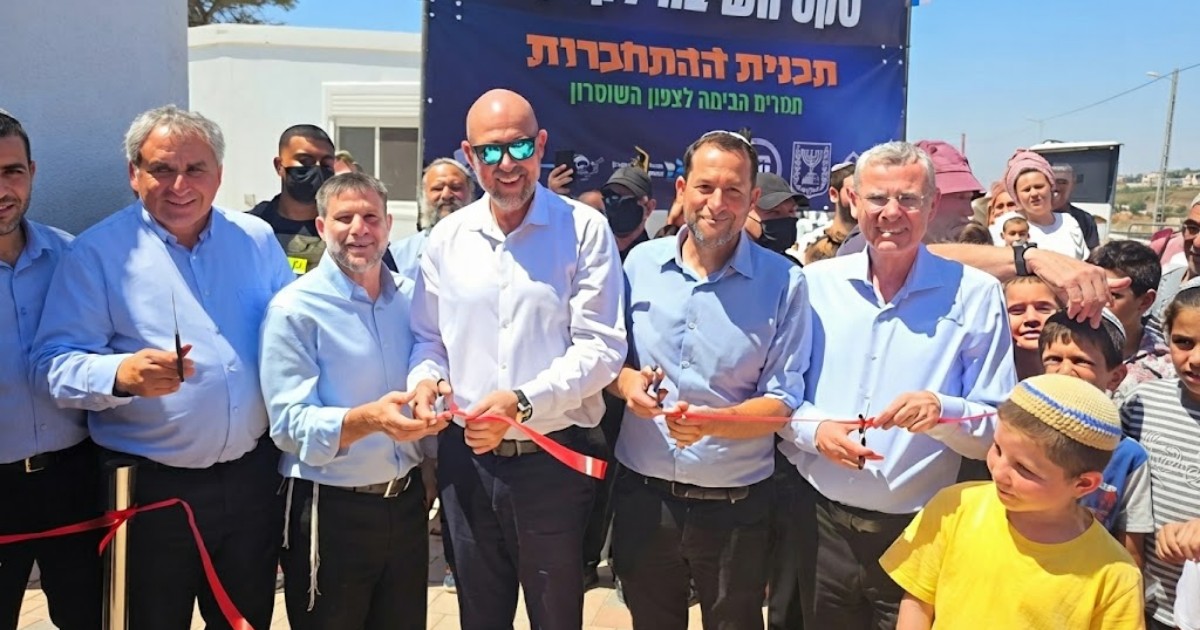
Settlers arrived in small groups, some under military escort, with blue and white Israeli flags fluttering from their vehicles as they passed through Palestinian villages and agricultural lands. Many dragged trailers loaded with bedding, furniture, and building materials to establish their presence on the hillside. Israel`s far-right Finance Minister Bezalel Smotrich attended the opening ceremony alongside other senior government officials, hailing the return as a historic correction of past policies.
Kadim was originally evacuated in two thousand and five by a previous Israeli government as part of a unilateral disengagement plan that also pulled settlers and soldiers out of Gaza and three other northern West Bank settlements. At the time, those settlements were deemed too isolated, costly to protect, and of little strategic value. However, the current government has systematically reversed those restrictions, formally reopening Ganim, Sanur, and Homesh before finalising the return to Kadim as the last of the evacuated sites.
Local Palestinian farmers and residents have expressed profound alarm over the rapid expansion and the revival of these settlements. A local farmer whose family has lived in the area for decades told the BBC that he fears the return of settlers will escalate restrictions, noting that nearby businesses and shops have already been demolished by military operations. Residents report feeling increasingly cornered as bypass roads are secured and movement across their traditional agricultural lands is severely restricted by military personnel and armed settlers.
Alongside the re-establishment of settlements, new Israeli military bases and outposts are being rapidly constructed behind high concrete walls topped with watchtowers and barbed wire. A military outpost is currently being built on seized land beside the Jenin refugee camp, marking a significant escalation in a densely populated Palestinian urban center. Palestinian officials have warned that these measures threaten to permanently fragment the region and extinguish any remaining prospects for a viable political settlement.
International bodies and human rights organizations have repeatedly emphasized that all Israeli settlements in the occupied territories are illegal under international law. Despite mounting global condemnation, the pace of settlement construction has accelerated significantly, fueled by strong state backing and infrastructure development. Observers note that this rapid push on the ground continues to reshape the landscape of the West Bank, compounding humanitarian challenges for local communities.