The complex logistical chain required to distribute food, medicine, and fuel across the Gaza Strip has been severely disrupted by ongoing Israeli military operations and border blockades, according to reports from Al Jazeera and the United Nations.
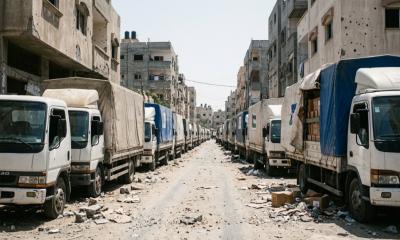
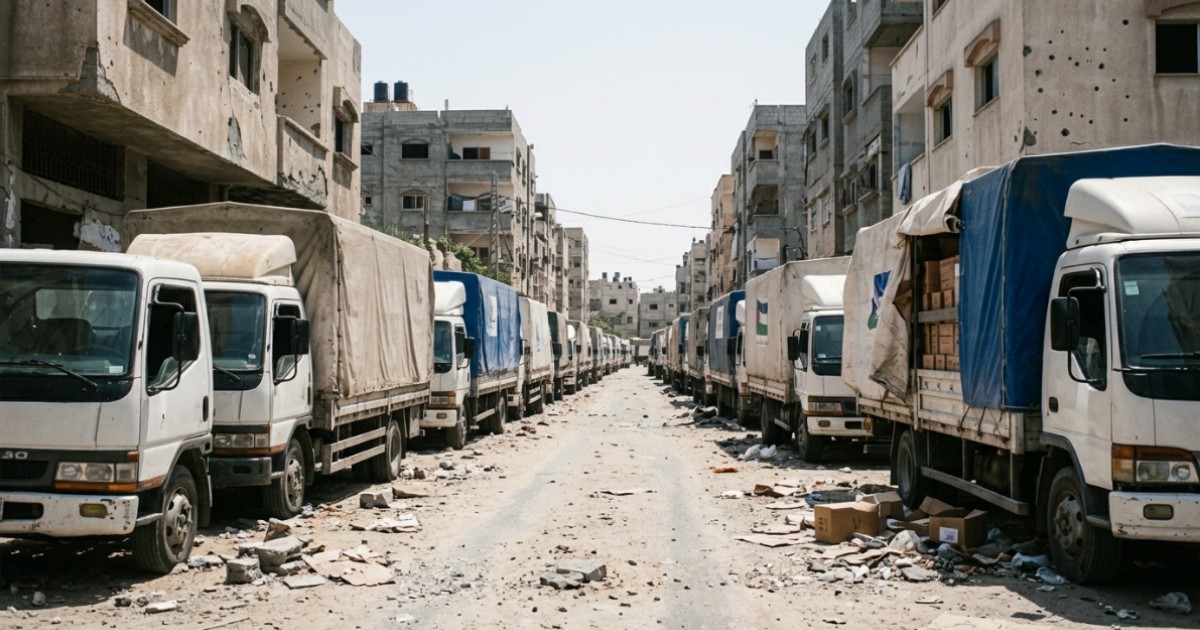
Even when humanitarian trucks manage to bypass strict entry restrictions at the border, drivers face nearly insurmountable challenges reaching aid warehouses and civilian distribution centers safely.
Reporting from Deir el-Balah, Al Jazeera correspondent Tareq Abu Azzoum highlighted that crossing the border is merely the first step in a heavily fractured system. He noted that the delivery of basic necessities relies on a functional supply chain that has now collapsed. Behind every truck full of relief supplies is a logistics network that keeps those vehicles running, a system that has been shattered by the conflict, Al Jazeera reported.
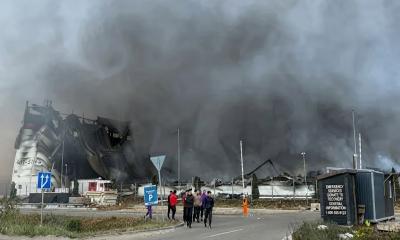
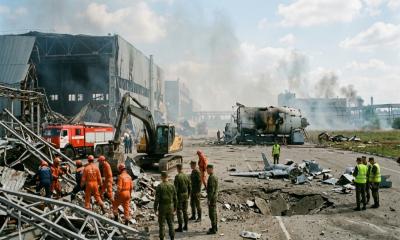
Once aid enters the enclave, the internal distribution process is paralyzed by destroyed infrastructure, severe fuel shortages, and ongoing military bombardments. The United Nations Office for the Coordination of Humanitarian Affairs and the World Food Programme have repeatedly warned that the internal distribution network is near complete collapse. Roads across the territory are blocked by structural debris and unexploded ordnance, making the movement of heavy cargo extremely perilous for aid workers.
The lack of basic utilities renders many delivered supplies virtually unusable for displaced families. Azzoum explained that it is impossible for residents to cook dry food distributions, such as lentils, rice, or pasta, without clean water. Even if water is secured, Palestinians still require electricity or cooking gas to prepare meals, utilities that have been completely cut off from the territory during the blockade.
Security concerns and the breakdown of civil order add another layer of difficulty to the humanitarian response. Top UN aid relief coordinator Tom Fletcher has stated that humanitarian organizations face significant challenges in loading and dispatching goods. He cited security concerns, delays in coordination approvals, and inappropriate transport routes provided by Israeli forces that are not viable for the movement of cargo.
This logistical paralysis has deepened an already catastrophic hunger crisis across the territory.
The UN World Health Organization has recorded fatalities among children due to malnutrition, a direct consequence of the inability to transport food from border crossings to medical facilities and camps. UN-partnered food insecurity experts have warned that tens of thousands of children remain at risk of acute malnutrition as the blockade and distribution failures persist.
Al Jazeera further reported that even when civilians manage to reach distribution sites, they are subjected to strict identity verifications and eye scans. Long waits in extreme heat frequently lead to desperation and chaos, which further disrupts the fragile distribution efforts. Additional reports indicate that armed men have stopped aid convoys to rifle through cargo, threatening drivers and worsening the lawlessness along delivery routes.
United Nations officials continue to stress that merely allowing aid trucks to cross the border is not a solution without a secure, unimpeded internal path for delivery. The World Food Programme has stated that it currently possesses enough pre-positioned supplies to feed the entire population of the Strip for three months—if Israeli authorities grant full and secure access. However, with key crossings in northern Gaza closed and internal roads destroyed, this vital relief remains out of reach for those facing immediate starvation.