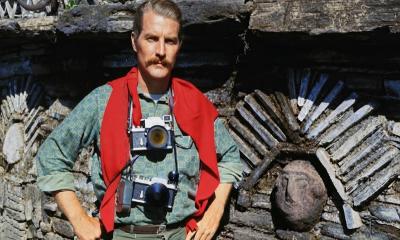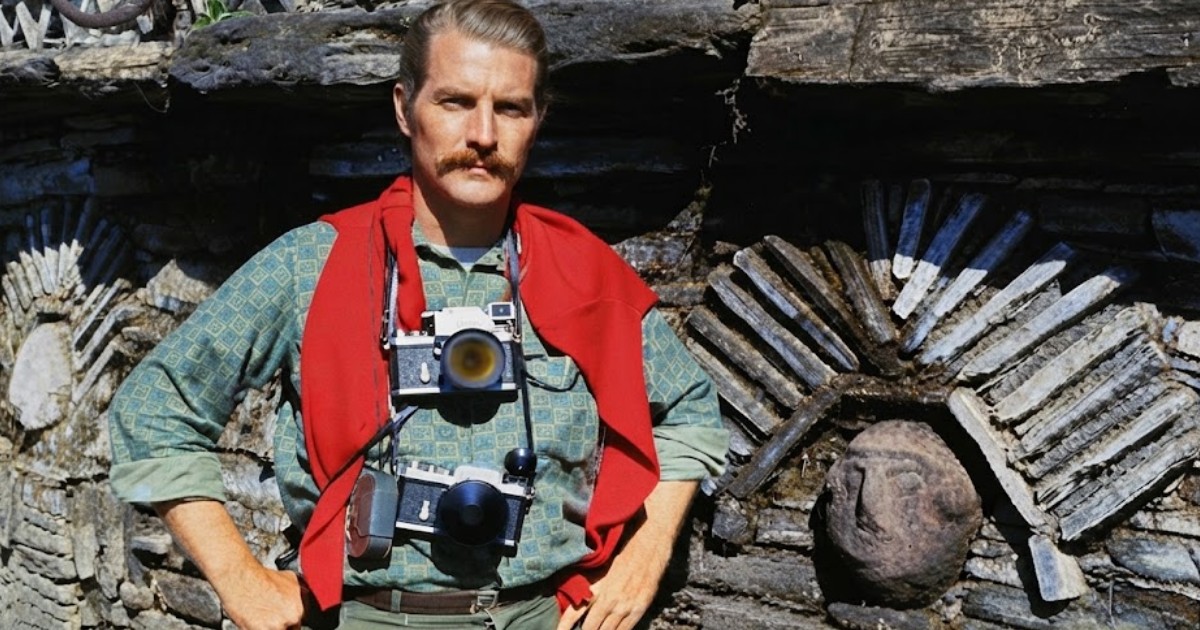
In 1911, a Yale academic claimed to have discovered the ancient mountain stronghold of the last Incan king deep in the Peruvian Andes, bringing global attention to the ruins of Machu Picchu. Hiram Bingham III was convinced that he had found the legendary lost city fabled for its hidden treasures. Yet fifty years later, another explorer challenged Bingham`s conviction. Gene Savoy, often dubbed the real Indiana Jones, claimed in August 1964 to have located the actual lost city of Vilcabamba at Espíritu Pampa, situated deep in remote cloud forests northwest of Machu Picchu, according to reports from BBC News and The Guardian.
Bingham had been guided near the same site decades earlier but was forced to move on due to harsh weather and depleted supplies, ultimately settling on Machu Picchu as his discovery. In contrast, Savoy and fellow explorer Antonio Santander Cascelli pushed past local superstitions and tribal legends to reach the moss-covered ruins spread across three mountain plateaus. Their expedition revealed an extensive complex featuring palaces, granite and limestone buildings, and elaborate water fountains. Just six weeks after Savoy reached the site, a BBC television crew retraced his arduous journey, navigating dangerous river rapids and dense jungle terrain to document the historic discovery.
The breakthrough confirmation that Espíritu Pampa was indeed Vilcabamba came from an unexpected artifact discovered among the ruins: Spanish-designed roof tiles bearing distinct Incan influences in their coloring and markings. While the Incas traditionally used thatched roofing, historical chronicles written by sixteenth-century friar Martin de Murua described the exiled Incan capital as having palaces covered in roof tiles. Renowned Inca expert and Royal Geographical Society director John Hemming later matched eyewitness accounts and historical chronicles to the physical details of the site, officially confirming it as the final refuge of the Incan empire.
The discovery resolved a centuries-old historical mystery surrounding the final stronghold where King Manco Inca and his followers retreated after the fall of Cusco to Spanish conquistadors in 1536. From this remote mountainous sanctuary, the Incas coordinated resistance movements and guerrilla warfare against colonial forces before setting the city ablaze and fleeing in 1572. Despite the monumental architectural findings, numerous mysteries continue to surround the ancient location, including the whereabouts of the legendary lost Inca treasure and precious royal jewels reportedly discarded into hidden mountain lakes and caverns.
Modern archaeological investigations in the region continue to shed light on the untouched historical landscape without significant looting or disturbance. Peruvian ministry of culture archaeologists emphasize that vast portions of the surrounding cloud forests remain unexplored, raising the possibility of uncovering even more hidden settlements. The remarkable expedition by Gene Savoy and the subsequent BBC documentation transformed a legendary myth into verified history, securing a permanent chapter in the annals of global archaeological discoveries and keeping the fascination of ancient South American civilizations alive today.