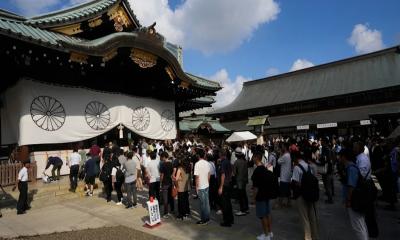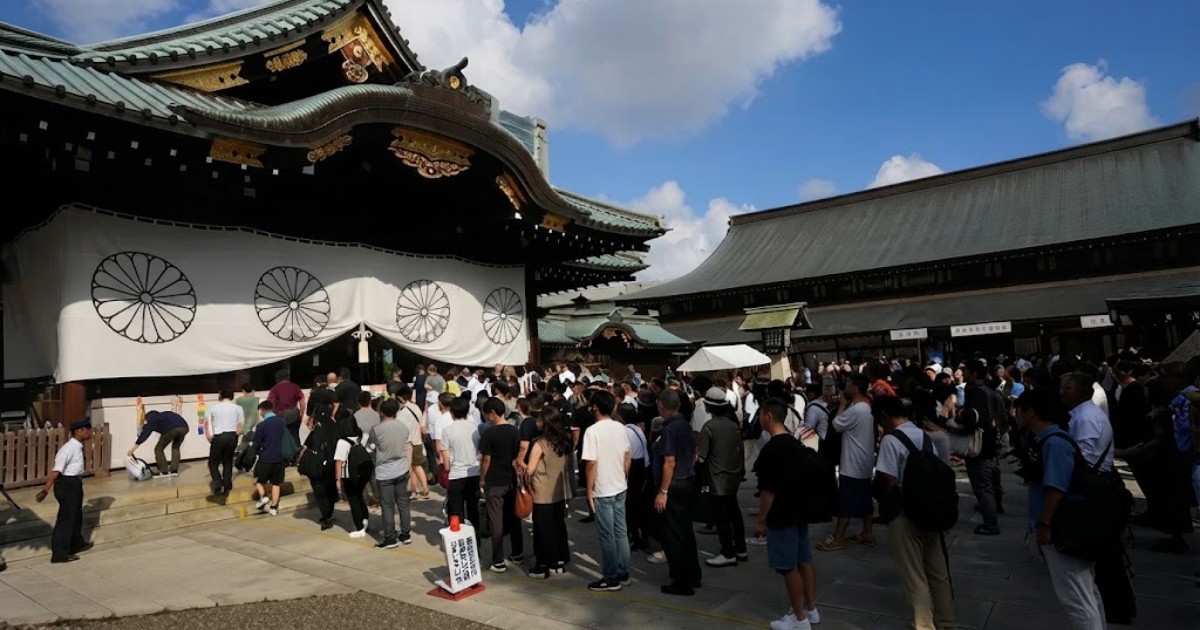
Japanese Defense Minister Shinjiro Koizumi visited the controversial Yasukuni Shrine in Tokyo on Saturday, reigniting fierce regional tensions with neighboring Asian nations, according to reports from the Associated Press and Al Jazeera. The shrine, which commemorates approximately two and a half million service members and civilians killed in Japan`s twentieth-century conflicts, also honors fourteen convicted Class A war criminals. Consequently, visits by high-ranking government officials consistently draw sharp criticism from nations that suffered under Japanese imperial aggression during the twentieth century.
Established in the late nineteenth century under Emperor Meiji, Yasukuni remains one of Japan`s most revered national sites, yet its association with wartime militarism makes it a profound flashpoint. The inclusion of wartime leaders convicted by Allied tribunals following the Second World War transformed the shrine into a symbol of unrepudiated imperial atrocities in the eyes of Beijing and Seoul. Historical grievances stemming from the Japanese occupation of Korea and the devastating Second Sino-Japanese War continue to shape regional diplomatic dynamics, leaving neighboring governments sensitive to any official endorsement of the site.
While Prime Minister Sanae Takaichi opted not to visit the grounds in person, local media reported that she sent a ritual offering and paid respects from a nearby location, following a precedent set by previous leaders. Critics argue that such gestures fall short of genuine repentance for wartime atrocities such as mass killings and forced labor. China`s Ministry of Foreign Affairs issued a strong condemnation of the ministerial visit and offerings, lodging formal protests with Tokyo. Meanwhile, South Korea expressed deep regret, urging Japanese leaders to confront history with sincere remorse.
Although Japanese officials frequently defend their visits as private expressions of mourning for the war dead, international observers note the persistent diplomatic cost. Despite decades of post-war pacifism, historical reconciliation remains fragile as political figures navigate nationalist sentiments at home. The ongoing controversy underscores the enduring difficulty of bridging historical divides in East Asia, where unresolved memories of wartime suffering continue to complicate contemporary geopolitical relations.