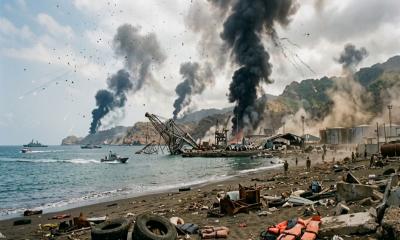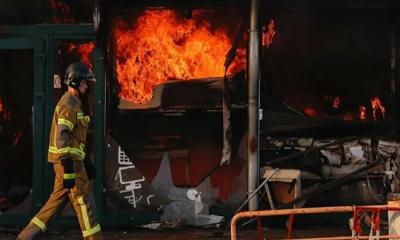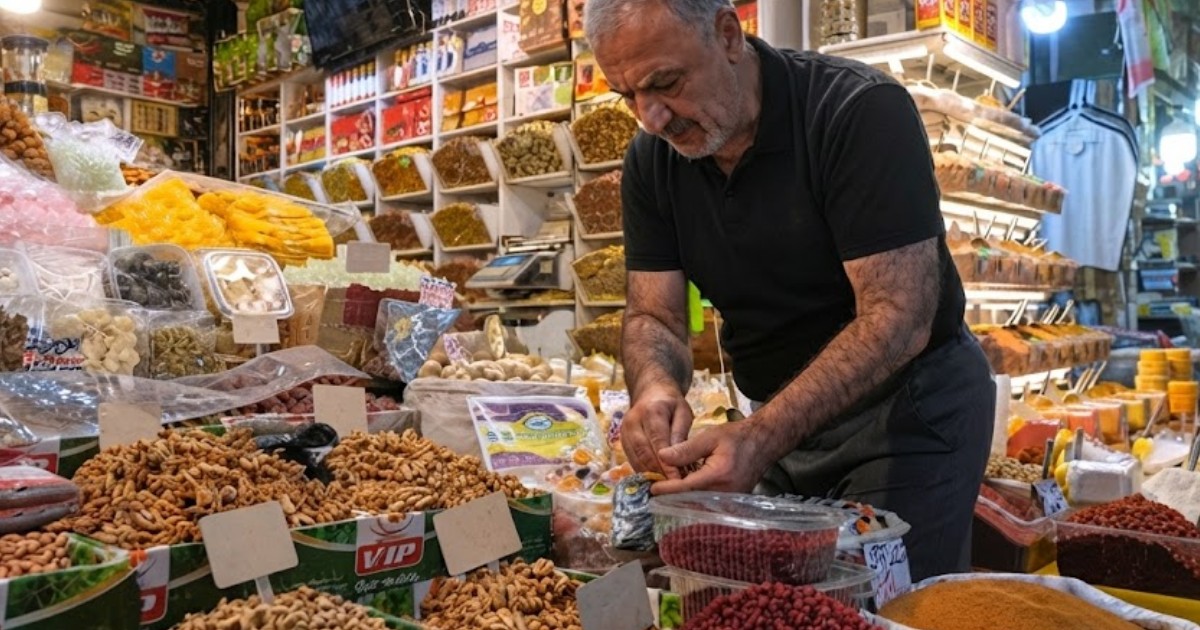
Millions of Iranians are struggling to maintain their livelihoods as months of active conflict with the United States and a stringent naval blockade devastate the domestic economy, according to reports from Al Jazeera and the Associated Press. The prolonged hostilities have severely disrupted commercial shipping and industrial output, sending consumer prices soaring to historic highs and placing immense financial pressure on working-class families across the country.
Tehran residents report that finding sustainable employment has become exceedingly difficult amid widespread corporate downsizing and factory closures resulting from wartime destruction. Official figures from the Statistical Center of Iran indicate that year-on-year inflation has climbed to approximately eighty-eight percent, with food inflation exceeding one hundred twenty-eight percent compared to the previous year. Essential commodities such as cooking oils, dairy products, and meat have more than doubled in price, drastically eroding the purchasing power of citizens earning fixed wages.
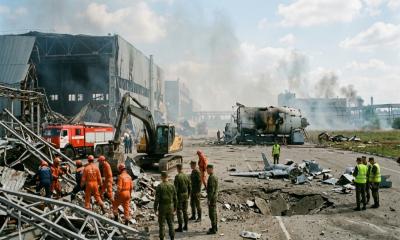
President Masoud Pezeshkian acknowledged that the naval blockade and military strikes on key manufacturing facilities have crippled government revenues, preventing standard oil exports and tax collection. While the administration weighs potential fuel price adjustments to stabilize state finances, officials remain cautious due to the risk of triggering renewed domestic unrest. Decades of international sanctions combined with current wartime pressures have pushed informal labor markets to expand, as formal employment opportunities fail to cover basic living expenses.
Although Iran`s diversified economic base has prevented total systemic collapse, the human cost of the ongoing confrontation continues to mount. Youth unemployment remains high, and many educated professionals are forced into irregular informal work simply to afford housing and basic provisions. While diplomatic intermediaries attempt to negotiate shipping arrangements through the Strait of Hormuz, no comprehensive political resolution appears imminent, leaving ordinary consumers to bear the heaviest burden of the unfolding crisis.