Despite repeated urgings from United States President Donald Trump regarding a potential Syrian military intervention to disarm Hezbollah in Lebanon, Damascus faces overwhelming strategic, economic, and security deterrents against taking such a step. While Washington views border pressure on Hezbollah as an auxiliary mechanism to counter Iranian influence, the newly established leadership in Syria recognizes that crossing into Lebanese territory would carry catastrophic domestic and regional costs.
From the perspective of Damascus, launching military operations across the border risks inflaming sectarian tensions, emboldening Hezbollah politically, and dragging the war-ravaged nation back into a regional quagmire. President Ahmed al-Sharaa’s administration has centered its entire governing mandate on securing domestic stability, rebuilding shattered infrastructure, unifying fragmented military factions, and attracting foreign investment to stimulate economic recovery. Engaging in a foreign war at this critical juncture would directly undermine these foundational priorities.
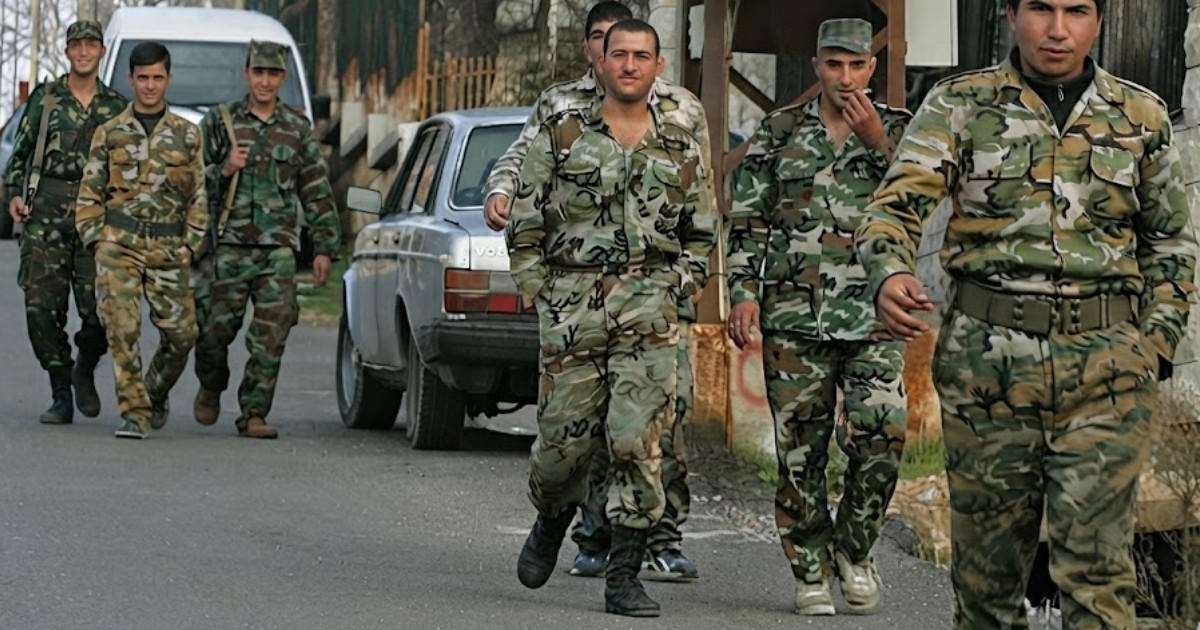
While the Syrian armed forces possess geographical proximity and operational familiarity along the rugged frontier, the state lacks the institutional capacity to wage an offensive campaign inside Lebanon. The Syrian military remains deeply engaged in internal reorganization, command unification, and localized security operations. Opening a second front would strain vital state resources and risk fracturing the newly consolidated armed forces by reviving factional loyalties among field commanders.
Furthermore, any direct military push into Lebanon would inevitably provoke severe retaliation from Iran and its regional allies. Rather than engaging in open conventional warfare, Tehran could leverage allied militias in Iraq and Syria to launch devastating drone and missile attacks against Syrian military infrastructure. Recent escalations, including Iranian-backed strikes near the al-Tanf garrison, demonstrate that direct military targeting of Syrian territory by adversarial networks remains a tangible operational threat.
International legitimacy and diplomatic standing represent another insurmountable barrier for Damascus. Without a formal request from the Lebanese government, any military incursions by Syrian troops would be perceived as a hostile violation of sovereign borders, reviving painful memories of the prolonged military occupation that lasted from nineteen seventy-six until two thousand five. Such a development would alienate regional partners, antagonize domestic populations, and instantly shatter the fragile diplomatic goodwill required to lift international economic sanctions.
Economic recovery remains the paramount concern for the Syrian leadership. Reintegrating into the global financial system and attracting capital from Gulf and Western economies requires projecting an image of absolute stability and peaceful regional integration. If Syria becomes embroiled in a new armed conflict, international investors would immediately retreat, viewing the country once again as an unpredictable arena of proxy warfare.
Instead of deploying troops into Lebanon, Damascus is far more likely to pursue low-risk, defensive measures strictly within its own borders. These pragmatic steps include tightening border enforcement, dismantling clandestine smuggling tunnels, interdicting illicit weapons shipments, and sharing critical intelligence with official Lebanese military institutions. Such actions would exert constructive pressure on illicit networks without entangling Syrian forces in foreign entanglements or compromising national sovereignty.
Ultimately, despite intense geopolitical maneuvering and pressure from Washington, the existential imperative of national reconstruction and internal stabilization will compel Damascus to stand its ground and avoid a costly military adventure in neighboring Lebanon.