Thousands of Afghan refugees who sought sanctuary in Europe following the dramatic political collapse in Kabul face an escalating crisis of uncertainty. As European governments pivot sharply to the right and domestic political pressures mount over immigration, long-standing asylum protections are being aggressively rewritten. For many individuals who once relied on formal government evacuation programs, the promise of safety has transformed into a precarious legal battle for survival.
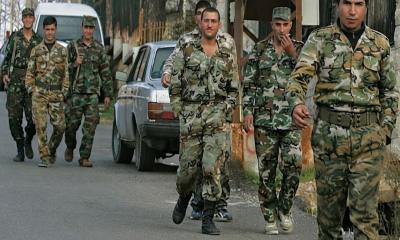
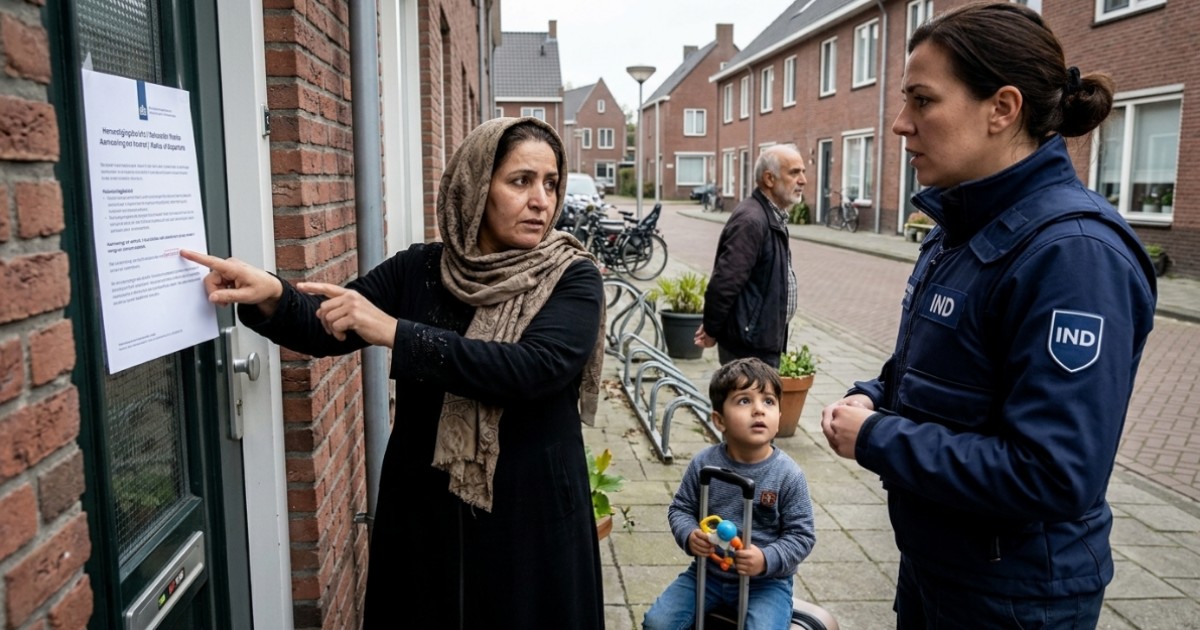
According to reports from Al Jazeera and BBC News, approximately four thousand five hundred Afghan staff members, including interpreters, security personnel, and individuals who supported European missions, were airlifted out of Afghanistan following the Taliban takeover in August 2021. Abdul Wali, an Afghan national who relocated to the Netherlands with his wife and four children after receiving direct threats from the Taliban due to his work with a Dutch NGO, represents thousands caught in this shift. Having integrated into the quiet Dutch town of Steenwijk, where his daughters attended local school and he secured steady factory work, Wali faced a sudden legislative upheaval when the government altered residency criteria last June.
Data compiled by the European Union Agency for Asylum indicates that nearly half a million Afghan nationals have lodged asylum applications across the bloc since 2021. Although formal diplomatic recognition of the administration in Kabul remains withheld by European capitals, pragmatic political engagement has quietly commenced. On June twenty-third, fifteen European ambassadors participated in discussions with a Taliban delegation in Brussels, where the central item on the agenda was the structured repatriation and deportation of Afghan nationals.
The broader political landscape across Europe has been heavily shaped by rising anti-immigration rhetoric and electoral gains by far-right political factions. Governments are eager to project an image of strict border enforcement. Germany became the first European Union member state to lift its de facto ban on deportations to Kabul following high-profile security incidents, removing individuals with criminal records and initiating deportations for non-criminal Afghan asylum seekers. Swiss diplomatic records obtained by regional media outlets reveal that countries including the Netherlands, Denmark, and Norway are formulating synchronized frameworks to accelerate similar deportations.
Human rights organizations and legal advocates have fiercely condemned these diplomatic maneuvers, arguing that forced returns to Taliban-controlled territory violate international non-refoulement obligations and expose vulnerable individuals to systemic persecution. Critics emphasize that former local staff who took immense personal risks to support Western initiatives are being unfairly penalized by shifting political expediencies.
As European capitals balance domestic political demands against international humanitarian duties, the future of thousands of displaced Afghans hangs in a fragile balance. The convergence of tightening asylum legislation and rising political hostility highlights a deepening crisis within global refugee protection frameworks.