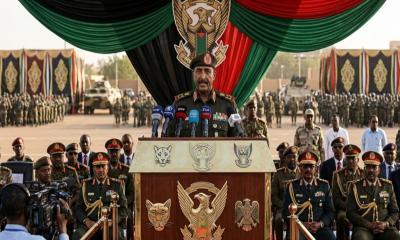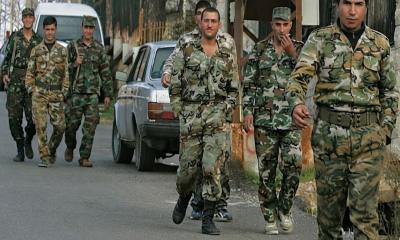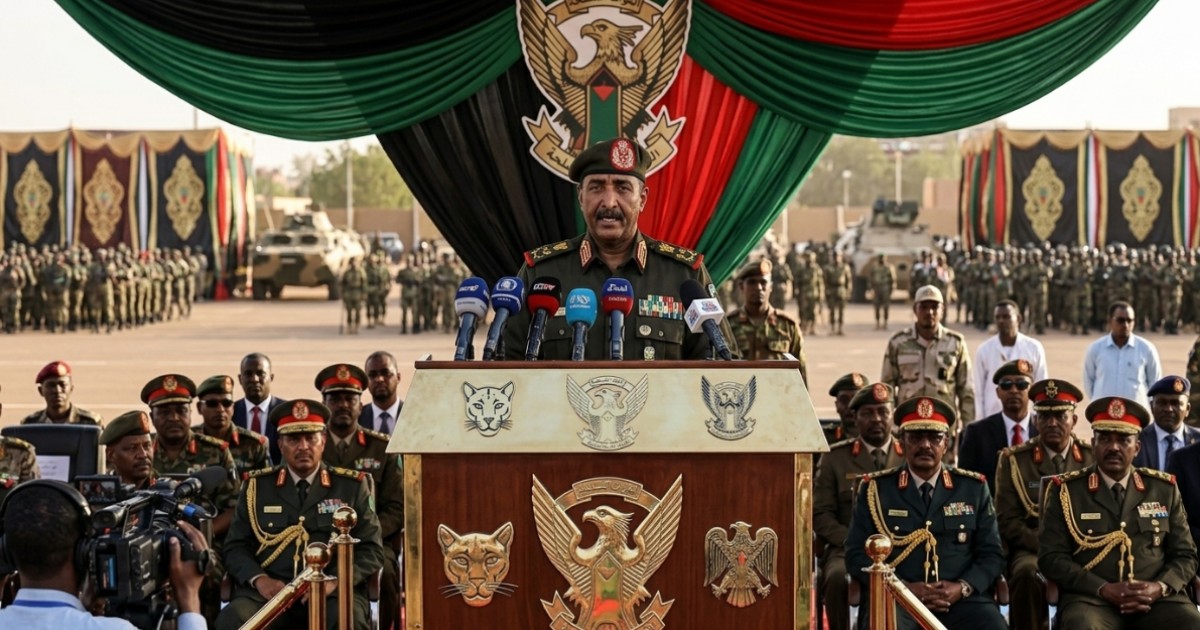
Sudanese Sovereign Council chief and army commander General Abdel Fattah al-Burhan has pledged temporary immunity and comprehensive legal, political, and security guarantees for participants in an upcoming independent national dialogue. Speaking early Saturday during official ceremonies marking the seventy-second anniversary of the Sudanese Armed Forces, al-Burhan announced that criminal proceedings against participants currently facing charges will be temporarily suspended while they engage in the political dialogue.
Al-Burhan emphasized that these state measures do not constitute a formal pardon, but rather a targeted and temporary suspension of judicial proceedings for those facing legal accusations, ensuring their participation remains legally protected without undermining the rights of individuals who filed initial complaints. He stressed that the proposed national dialogue must function as an open-ended process conducted within a public sphere, enabling Sudanese society to voice opinions, grievances, and constructive criticisms free from fear, intimidation, or administrative restrictions.
Furthermore, al-Burhan guaranteed robust legal protection for all opinions and political positions articulated during the sessions, assuring participants that statements made within the dialogue framework cannot be utilized as legal grounds for future prosecution. He revealed that the initiative was independently conceived and proposed by a collective of prominent Sudanese civic figures who will oversee the entire process. Al-Burhan explicitly noted that the central government will neither organize the initiative nor dictate its agenda or eventual outcomes.
According to sources speaking to Al Jazeera, the independent national mechanism is expected to schedule a formal press conference in the coming days to unveil its strategic vision and operational framework for the broader political transition. Addressing the ongoing civil conflict, al-Burhan maintained a firm stance, stating that while the military remains open to engaging with serious and credible peace initiatives, it will categorically reject any flawed or incomplete settlement that restores the Rapid Support Forces, led by Mohamed Hamdan Dagalo, widely known as Hemedti, and their political affiliates to positions of state power.
Al-Burhan vowed that the Sudanese Armed Forces will persist in their military operations aimed at completing the systematic removal of the insurgent militia from the country. He outlined foundational preconditions for genuine peace, asserting that RSF units must first withdraw entirely from urban centers and canton themselves in designated remote zones. Only subsequent to demilitarization can the safe return of displaced populations and refugees to their homes be facilitated, followed by structured deliberations regarding the status of individual fighters and potential integration into regular military structures for those untainted by war crimes.
In a related political development, al-Burhan disclosed that preliminary consultations have commenced with national political forces that previously stood by state institutions throughout the protracted conflict. These discussions focus on integrating diverse civilian and political stakeholders into state governance structures, including establishing a representative legislative council or provisional parliament whose formal formation is currently under active discussion among leadership circles.