A leading Russian economist has been dismissed from his position after warning that mounting economic strains from the ongoing conflict in Ukraine could inevitably trigger a severe social crisis, Al Jazeera and Reuters reported on Friday. The dismissal underscores the increasing sensitivity within Moscow regarding public discourse over the long-term domestic costs ofⵓ the protracted military campaign.
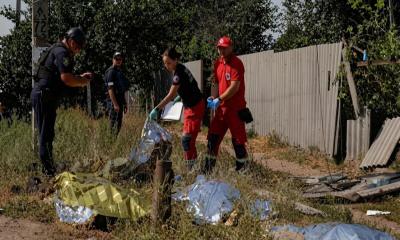
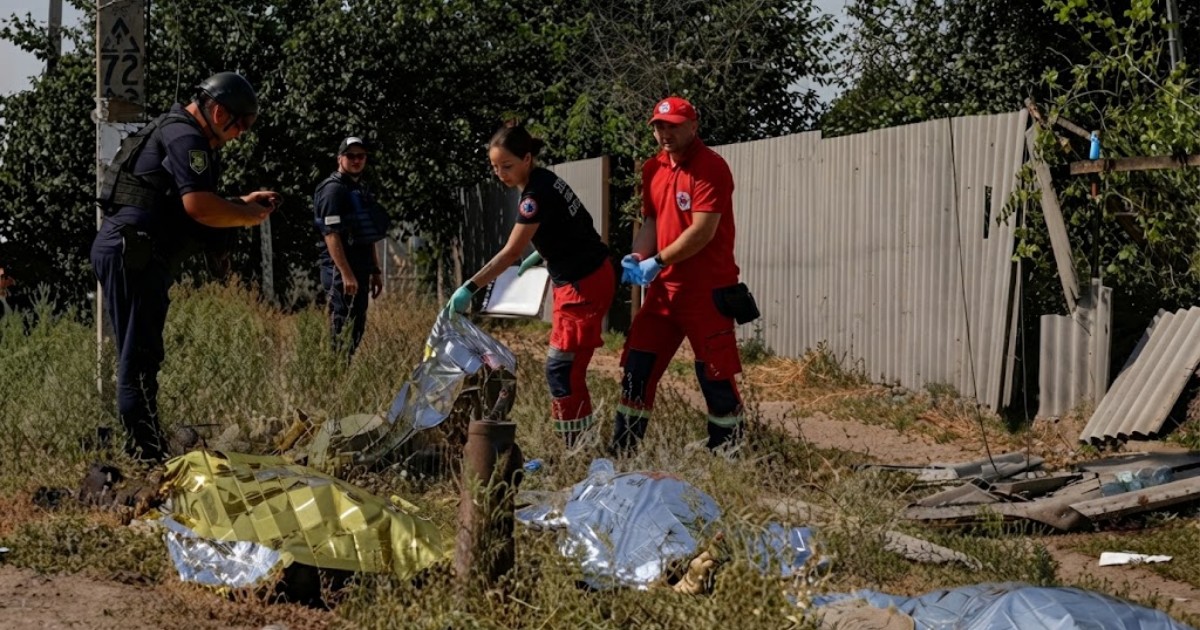
The warning coincided with a dramatic escalation in civilian casualties across Ukrainian cities, driven by heavy Russian ballistic missile barrages. According to United Nations figures, July recorded a record four hundred thirty-seven civilian deaths and two thousand six hundred ten injuries, marking a thirty percent increase over previous months. The deadly trend has persisted through August, with multiple strikes reported in residential areas, medical facilities, and regional transport hubs as Ukraine faces a depletion of its Patriot air defense interceptors.
In response to the aerial bombardment, Ukrainian military forces have intensified mid-range and long-range strikes targeting critical Russian logistics, fuel depots, and military command nodes. These systematic drone and missile operations have successfully disrupted supply chains across the Black Sea and Sea of Azov, while also striking vital industrial facilities deep inside Russian territory, including aerospace research centers and major e-commerce logistical hubs.
The economic fallout from these targeted disruptions has placed immense pressure on state finances, prompting rare public warnings from economic insiders.
The dismissed economist had openly stated that Russia could not sustain a prolonged economic war against western-backed adversaries without severe domestic repercussions, predicting that public discontent would eventually erupt unexpectedly. Shortly after making these critical assessments, he was stripped of his post.
While Kremlin officials continue to downplay the economic impact and pledge state support to repair damaged infrastructure, independent analysts note that rising inflation and supply bottlenecks are steadily eroding living standards. As the conflict grinds on with no immediate diplomatic resolution in sight, the widening gap between official optimism and the harsh economic reality facing ordinary citizens remains a critical challenge for the leadership in Moscow.