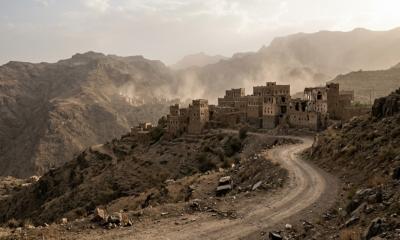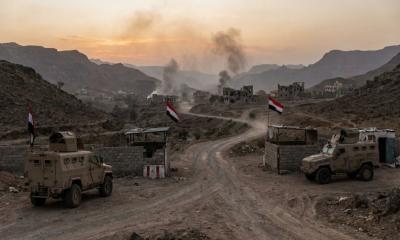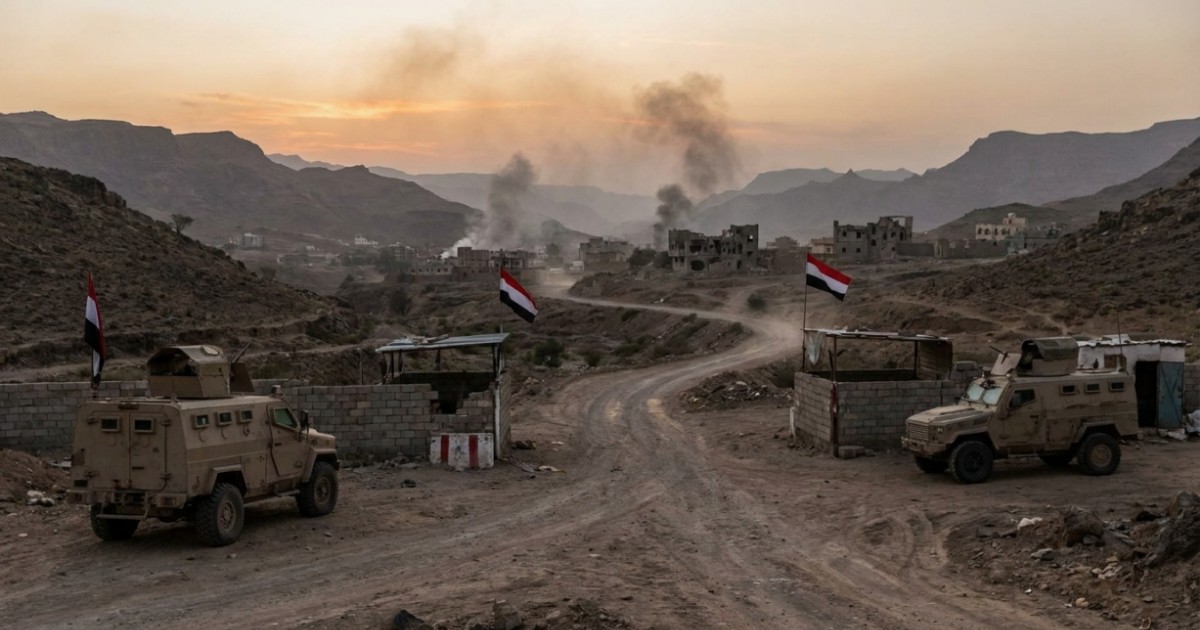
The Yemen war has flared up once again after more than a decade of devastating conflict, marking one of the most serious escalations since a UN-brokered truce in twenty twenty-two. According to reports by Al Jazeera and Agence France-Presse, the renewed hostilities erupted following a major Houthi offensive against Saudi-backed government forces in several regions. The renewed fighting has not only worsened the domestic humanitarian situation but has also spilled across borders, raising concerns over regional stability and maritime security in the vital waterways of the Middle East.
At the center of the conflict are the Houthi rebels, also known as Ansar Allah, who control the capital city of Sanaa alongside large areas in northern and western Yemen. Emerging in the nineteen-nineties, the group rose to international prominence in twenty fourteen by forcing the government out and plunging the nation into a severe humanitarian crisis. Backed by Iran as part of the regional axis of resistance, the Houthis have maintained resilient military capabilities, withstanding years of coalition airstrikes while expanding their missile and drone operations against regional infrastructure and Red Sea shipping routes.
On the opposing side, Saudi Arabia entered the military arena in twenty fifteen leading a coalition aimed at restoring the internationally recognized government. Although a two thousand twenty-three rapprochement brokered by China eased bilateral tensions between Riyadh and Tehran, the kingdom remains deeply invested in securing its southern border against Houthi expansion. The internationally recognized government is currently represented by the Presidential Leadership Council, an eight-member body established in twenty twenty-two to unify anti-Houthi political and military factions under the leadership of Rashad al-Alimi.
Additional key factions include the Islah party, a Sunni Islamist movement with historical roots in the Muslim Brotherhood that controls the gas-rich Marib region, and the National Resistance Forces led by Tareq Saleh. These allied factions operate within the broader government framework while maintaining distinct local interests and political ambitions aimed at countering Houthi dominance. As military confrontations continue across multiple fronts, the interplay of these domestic and regional actors dictates the complex trajectory of the ongoing crisis in the country.