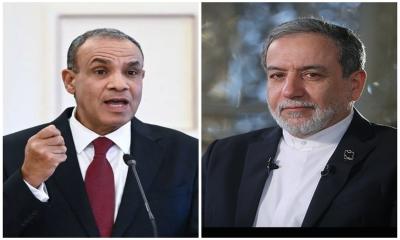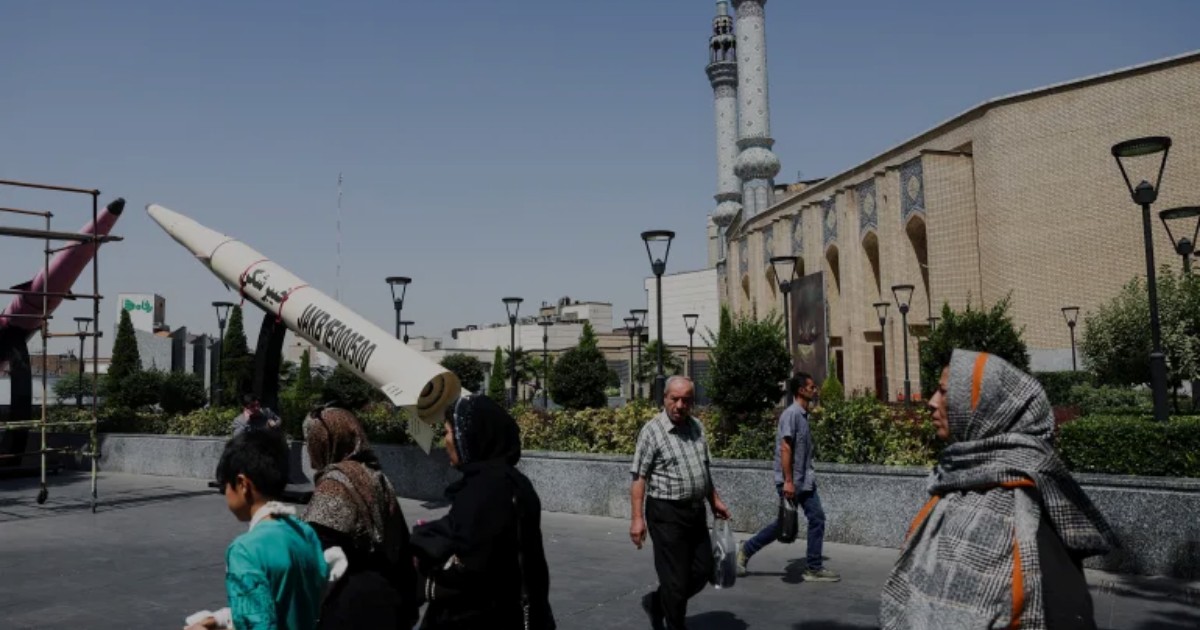
The United States and Iran have moved closer to a historic bilateral agreement to end their 106-day war, with senior officials confirming that a final text has been successfully drawn up, according to Al Jazeera and Reuters on Saturday. Iranian Foreign Minister Abbas Araghchi announced that a formal memorandum of understanding with Washington has never been closer to execution. Araghchi acknowledged that while minor internal policy disagreements persist within the leadership in Tehran, these administrative friction points remain entirely manageable. The foreign minister strongly urged international media networks to refrain from publishing speculative reports regarding the specific clauses of the framework until the document is officially finalized.
Pakistani Prime Minister Shehbaz Sharif, whose administration has spent months actively mediating the high-stakes back-channel negotiations, confirmed that a final agreed-upon text is now complete. Sharif noted that despite the monumental diplomatic breakthrough, both sovereign states must still execute several critical next steps before the accord can be formally signed. United States President Donald Trump initially dismissed the early leaks regarding the terms of the settlement as false reporting. However, Trump subsequently reposted Araghchi`s diplomatic statements on social media, signaling a shift in administrative posture. The president criticized Iranian authorities for allegedly leaking inaccurate descriptions of the ongoing talks, describing the actions as dishonorable and urging Tehran to consolidate its political positions swiftly.
United States Vice President J.D. Vance reinforced the administrative push for peace, noting that substantial progress is being made across multiple bilateral channels. Vance emphasized that the distribution of economic incentives and sanction reliefs would remain strictly contingent upon Tehran meeting verified performance benchmarks. Iranian state media, citing senior official Mohsen Rezaei, claimed that President Trump had tentatively agreed to release 24 billion dollars in frozen Iranian assets as part of the initial stabilization framework. While the White House has not publicly acknowledged this massive financial concession, the proposed agreement reportedly outlines a phased mechanism to unfreeze state funds. The initial phase of the draft document focuses on implementing a comprehensive ceasefire across all active military fronts, lifting naval blockades, and reopening the strategic Strait of Hormuz to international maritime commerce.
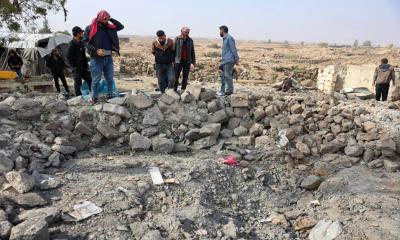
What remains unclear is whether this high-level diplomatic framework can successfully translate into a sustainable cessation of hostilities across highly volatile proxy environments in Lebanon. Iranian negotiators assert that the prospective ceasefire implicitly covers the ongoing conflict in southern Lebanon, yet the military reality on the ground indicates an intensification of warfare. The Israeli military recently launched renewed airstrikes and artillery barrages targeting multiple towns and residential sectors across the Tyre and Nabatieh districts. Additionally, the Israel Defense Forces issued a wide-ranging forced displacement order affecting more than 20 civilian communities throughout the Nabatieh and Jezzine regions. Former United States diplomat Henry Ensher warned that Iran has historically utilized southern Lebanon as a strategic instrument of its foreign policy, emphasizing that an immediate Israeli military withdrawal from occupied border zones remains a highly protracted and complex process.
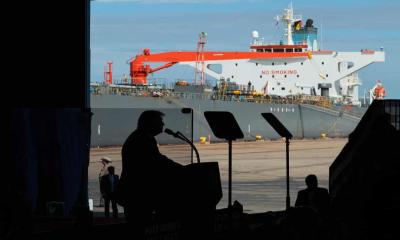
Maritime security and territorial friction also continue to challenge the fragile diplomatic progress along vital international trade routes. United States Central Command reported that its naval forces successfully intercepted and shot down multiple Iranian attack drones that were targeting commercial shipping vessels transiting the Strait of Hormuz. Despite the localized drone encounters, CENTCOM confirmed that international maritime traffic through the vital economic chokepoint remained entirely uninterrupted. Washington-based defense analysts suggest that President Trump is actively seeking a strategic off-ramp from the costly 106-day war to avoid prolonged geopolitical and economic complications before the upcoming fiscal cycle. The intensive back-channel negotiations originally gathered momentum following a temporary military truce established on April 8, which laid the structural foundation for the current peace framework.