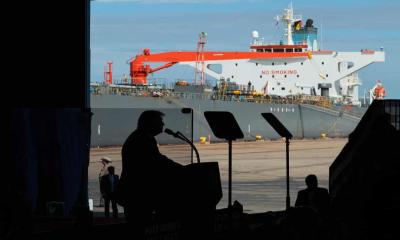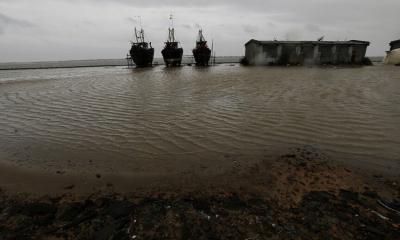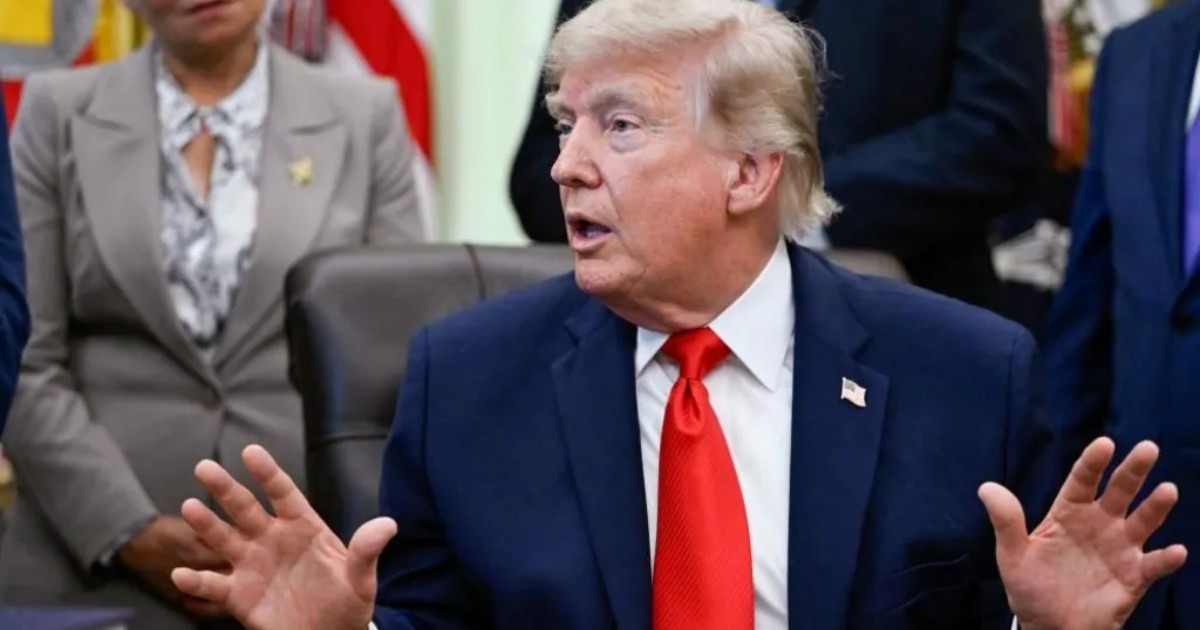
United States President Donald Trump announced on Saturday that a landmark peace deal between Washington and Tehran is scheduled to be signed on Sunday, according to CBS News and Reuters. Writing on his Truth Social platform, Trump stated that the strategic Strait of Hormuz would be opened to all shipping immediately after the agreement is finalized. Pakistan, acting as a key mediator in the months-long conflict, also expressed immense optimism regarding the upcoming diplomatic breakthrough. Pakistani Prime Minister Shehbaz Sharif confirmed that both nations are closer to a peace agreement than ever before and are actively preparing for an electronic signing within the next 24 hours.
However, the Iranian foreign ministry moved quickly to dispute the immediate timeline of the proposed signing ceremony. Iranian foreign ministry spokesman Esmaeil Baghaei urged caution during a press briefing in Tehran, stating that the memorandum of understanding would likely not be signed on Sunday, though he did not rule out a final agreement in the coming days. This statement followed remarks by Iranian Foreign Minister Abbas Araghchi, who noted on Friday that the Islamabad Memorandum of Understanding was nearing completion. The draft agreement reportedly envisions an immediate reopening of the Strait of Hormuz and the lifting of the United States naval blockade on Iranian ports.
What remains unclear is the exact mechanism for managing and disposing of Iran`s highly enriched uranium stockpiles under the new framework. In his social media posts, Trump referred to the materials as nuclear dust and asserted that American B-2 bombers would safely retrieve and destroy the stockpiles once regional stability is restored. The American president also issued a vague warning, stating that Washington maintains an ultimate alternative if the diplomatic process fails to yield smooth results. For decades, Western nations have accused Iran of attempting to develop nuclear weapons, a charge that Tehran has consistently denied by maintaining that its nuclear program is entirely peaceful.
Meanwhile, the prospective peace deal has triggered domestic political friction inside Iran, leading to street demonstrations by hardline factions. According to the semi-official Fars news agency, dozens of protesters gathered outside a foreign ministry office in the northeastern city of Mashhad to voice their opposition against Foreign Minister Araghchi, accusing the negotiators of making excessive concessions. On the military front, the United States Central Command revealed that its forces had redirected 141 commercial vessels since the blockade began, disabling 9 non-compliant ships. The proposed peace deal includes an initial 60-day ceasefire framework to facilitate further technical-level talks next week.
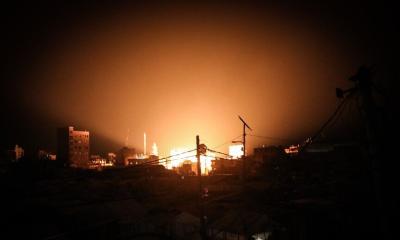
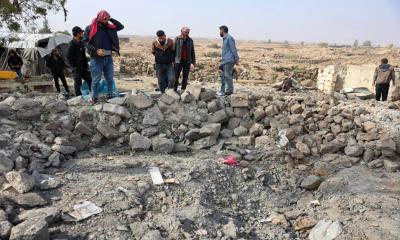
The devastating conflict originally erupted on February 28, 2026, following coordinated United States and Israeli airstrikes across various locations in Iran. Tehran retaliated by launching extensive drone and missile strikes against American assets and regional allies in the Gulf, while effectively shutting down the Strait of Hormuz to throw global oil markets into severe turmoil. Despite a temporary truce brokered in April, the two sides have continued to exchange intermittent fire, including the downing of several Iranian attack drones by American forces on Saturday morning. Industry experts believe that a formalized peace agreement could restore stability to global energy supply lines and lower oil prices worldwide.