Burkina Faso`s transitional military leader, Captain Ibrahim Traore, has opened a contentious new front by confronting the nation`s influential Muslim community. Once bolstered by strong support from religious scholars, Traore is now facing severe backlash over recent arrests, stringent new legislation, and an aggressive campaign against what he terms religious extremism. The escalating tensions threaten to rupture a vital political alliance that helped cement his power after taking control of the West African nation. The developments have been closely monitored and reported by international news outlets, including Al Jazeera and Agence France-Presse.
In recent public addresses, Traore adopted a defiant tone, declaring that the battle has begun against those promoting what he characterizes as radical Islam. He asserted that extremist ideologies have no place in Burkina Faso and warned that imams utilizing sermons to propagate radical views would face immediate suspension and legal action. While vowing to crack down on dissenting religious figures, Traore pledged state backing for scholars who promote peaceful interpretations of Islam. Furthermore, he claimed that foreign actors are actively exploiting religion to destabilize the nation and undermine its sovereignty.
The friction reached a boiling point following the unanimous adoption of the Religious Freedoms Law by the transitional parliament. Government officials maintain that the legislation is designed to safeguard the secular nature of the state while imposing financial transparency rules and banning exploitative practices such as forced child begging. However, religious scholars and community leaders argue that the broad phrasing of the law infringes upon traditional religious practices. Opposition to the legislation intensified significantly following the arrest of prominent Sunni scholar Imam Mohamed Ishaq Kindo in late May.
Imam Kindo`s detention sparked widespread protests in the capital of Ouagadougou, prompting authorities to shutter the city`s largest Sunni mosque under the pretext of maintaining public order. According to security sources cited by international wire services, approximately one hundred supporters of the detained imam were subsequently transferred to military installations for civic training. This incident followed the earlier arrest of another prominent religious leader in Bobo-Dioulasso. Think tanks specializing in Sahel security note that these crackdowns signify a complete breakdown of the tacit understanding between the military junta and Islamic scholars.
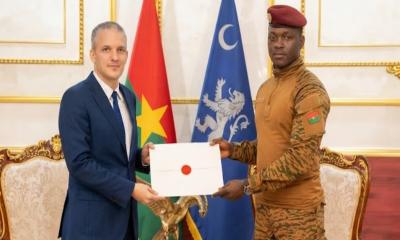
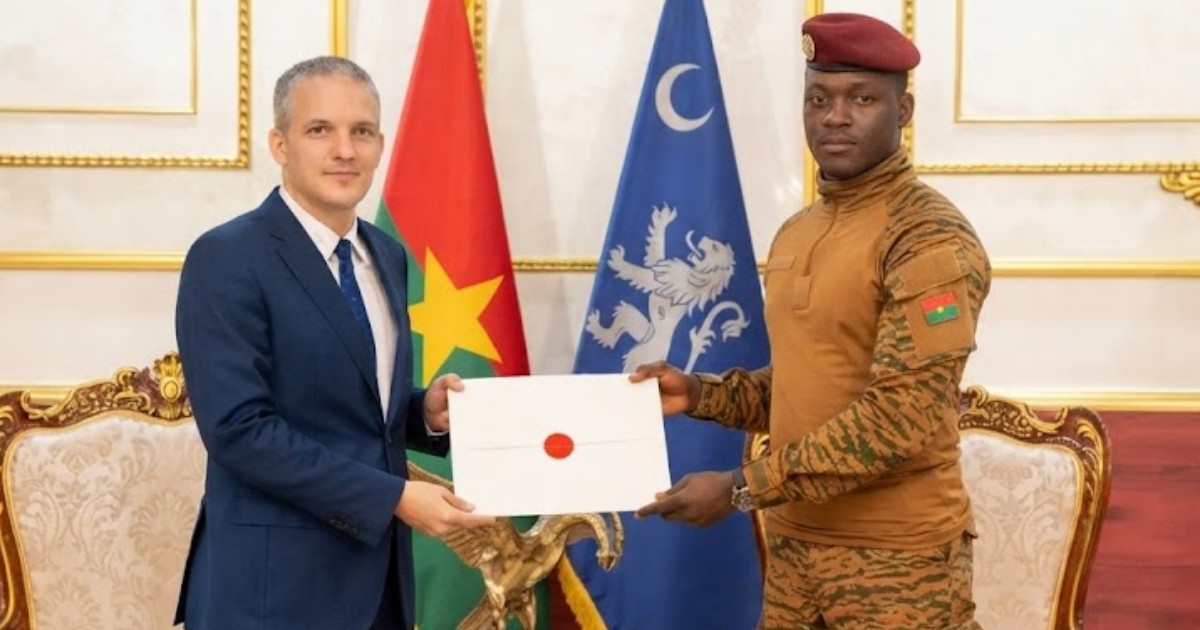
In addition to domestic crackdowns, Traore announced contentious plans regarding students pursuing Islamic law abroad. He stated that over eight hundred thousand Burkinabe students studying in Arab nations must return or risk losing their citizenship, arguing that their education lacks practical professional utility. This policy shift coincides with a noticeable recalibration in foreign relations, highlighted by Traore receiving the credentials of Israel`s new ambassador to Burkina Faso. The diplomatic engagement marks a departure from previous efforts to maintain a strictly anti-Western posture as the junta seeks security cooperation within the Sahel Alliance bloc.
Political analysts warn that alienating the nation`s Muslim majority could severely undermine the junta`s legitimacy at a critical juncture. As Burkina Faso grapples with persistent security threats and armed insurgencies, maintaining internal social cohesion is paramount. Whether the government`s assertive measures will consolidate state authority or provoke enduring civil unrest remains one of the most pressing questions in West African politics today.