Spanish Prime Minister Pedro Sanchez is facing mounting criticism from several European leaders as European Union interior ministers gather to discuss last week’s mass border crossing into the Spanish enclave of Ceuta, according to reports by Al Jazeera and the Associated Press. The sudden influx has reignited intense debate across the bloc regarding migration management, external border security, and humanitarian obligations. Meanwhile, human rights advocates have accused right-wing political factions of exploiting the humanitarian emergency to advance restrictive anti-immigration agendas.
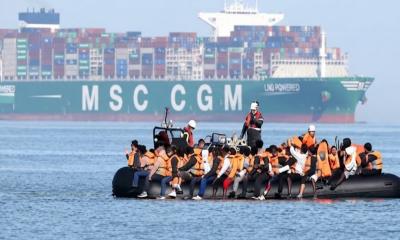
More than sixty thousand individuals crossed into the North African territory over a two-day span, triggering a severe humanitarian crisis that compelled Madrid to deploy additional security forces to stabilize the region. According to authorities in both Spain and Morocco, a tragic number of fatalities occurred as desperate individuals attempted hazardous maritime crossings and barrier escalations. By the weekend, however, the vast majority of those who entered had voluntarily returned across the border, and local officials confirmed that normality had largely been restored in the enclave.
Ireland, holding the rotating presidency of the Council of the European Union, convened an emergency video conference after an overwhelming majority of member states demanded coordinated defensive actions and reinforced perimeter security. What remains unclear is how long consensus can be maintained given the deep ideological divisions plaguing regional migration policy. While several frontline nations advocate for stricter deterrence measures, others emphasize adherence to international human rights laws and humanitarian principles.
Italian Prime Minister Giorgia Meloni emerged as one of Sanchez’s most vocal critics, announcing temporary border control measures with Spain while publicly questioning Madrid`s administrative response. Sanchez firmly rejected the criticism, asserting that Italy`s unilateral posture runs contrary to European legal frameworks and fundamental principles of solidarity. In public statements, he highlighted statistical comparisons showing that Italy has historically absorbed higher overall arrival volumes than Spain over recent years.
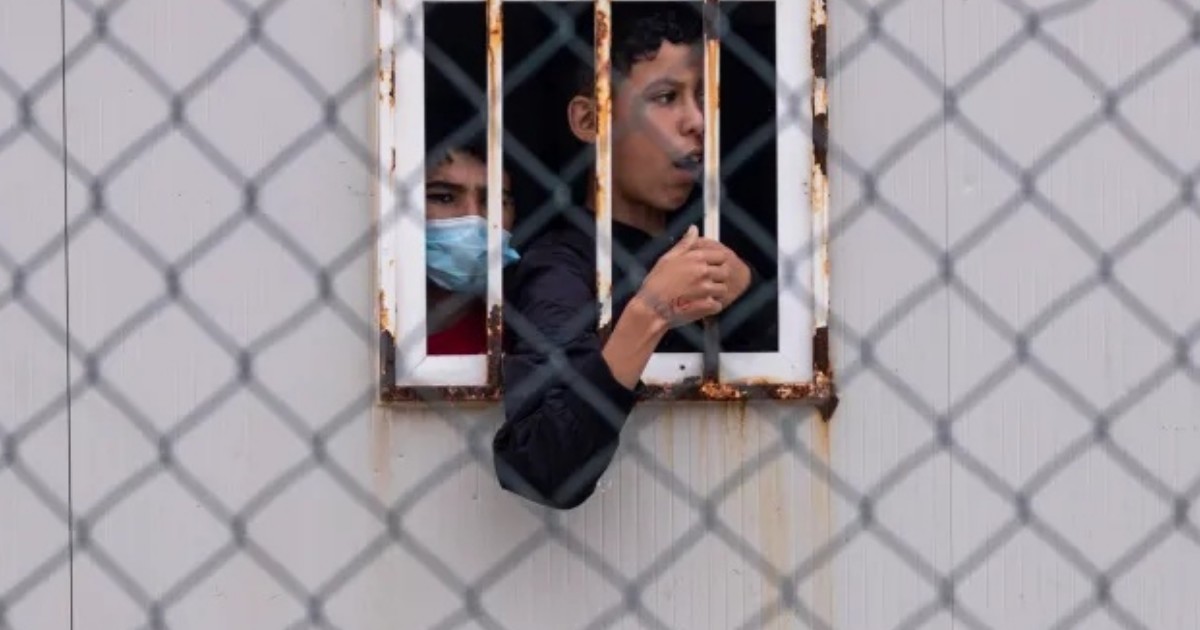
The diplomatic fallout unfolds despite broader downward trends in irregular border crossings reported across the European Union during the first half of the year. Although stricter asylum regulations and offshore processing rules have been increasingly integrated into bloc policy, local flashpoints like Ceuta continue to polarize domestic and international politics. Human rights organizations maintain persistent criticism against summary pushbacks and prolonged detention practices, arguing that vulnerable asylum seekers face systemic vulnerabilities.
Madrid has consistently defended its crisis response, attributing the sudden surge partly to the deliberate misrepresentation of a national court ruling by criminal smuggling networks operating in North Africa. A senior Moroccan official corroborated that diplomatic channels had previously raised concerns regarding online misinformation campaigns surrounding judicial interpretations. As discussions continue among interior ministers, the broader implications for European border cooperation remain a central focus of international scrutiny.