The United States military carried out a devastating airstrike that struck a primary school in Minab, southern Iran, killing one hundred and fifty-six people, including one hundred and twenty children, British news outlet BBC News reported. The tragedy unfolded in the opening hours of the conflict, transforming an ordinary Saturday morning into one of the deadliest single incidents for civilians in the entire war. Months after the strike, the site remains a stark landscape of twisted concrete and shattered memories, where local rescue workers and grieving families continue to search for closure and accountability.
The school, known as Shajareh Tayyebeh Primary School, was located adjacent to an Islamic Revolutionary Guard Corps compound that satellite imagery and military experts confirm was targeted multiple times. While Washington has not officially admitted direct responsibility for hitting the school, U.S. media outlets have cited military investigators who believe outdated intelligence and flawed data from defense agencies led to the facility being misidentified as part of the military infrastructure. Local residents and teachers have strongly rejected this explanation, pointing out that the school has been walled off with its own separate entrances and yards for years, and its address was publicly accessible online.
Teachers at the school have recounted harrowing details of the morning the strike occurred. Amaineh Nademi, a first-grade teacher who worked at the institution for six years, recalled that children had gathered in the prayer hall to recite verses from the Quran due to the holy month of Ramadan. As the initial wave of attacks began across the region, the headteacher announced immediate school closure, urging parents to pick up their children. Before everyone could evacuate, a massive explosion shook the building, filling classrooms with thick, suffocating smoke and causing the upper floor to collapse directly onto the lower classrooms.
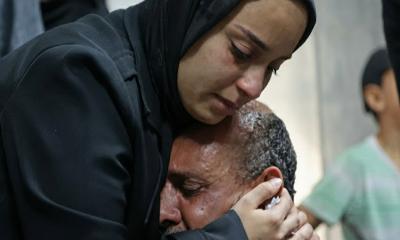
Emergency responders who rushed to the scene described scenes of unimaginable horror. Rescue workers noted that the force of the blast left victims severely disfigured, forcing grieving families to identify their children through personal belongings such as shoes or clothing rather than recognizable physical features. Hospitals and makeshift morgues were quickly overwhelmed by desperate relatives searching through the wreckage. The psychological toll on the rescue personnel and the local community has been profound, with many reporting persistent trauma and sleepless nights in the aftermath of the tragedy.
The Iranian government has heavily utilized the Minab school tragedy in its state media and international forums to counter Washington`s narrative of a precise military campaign. State officials even named a diplomatic delegation aircraft after the incident to memorialize the victims. Meanwhile, the military investigation led by the United States Central Command has faced severe criticism for its lack of transparency. Congressional committees in Washington have been told that the investigation remains complex due to the proximity of active military installations, a justification that Iranian authorities have dismissed as a baseless fabrication designed to evade accountability.
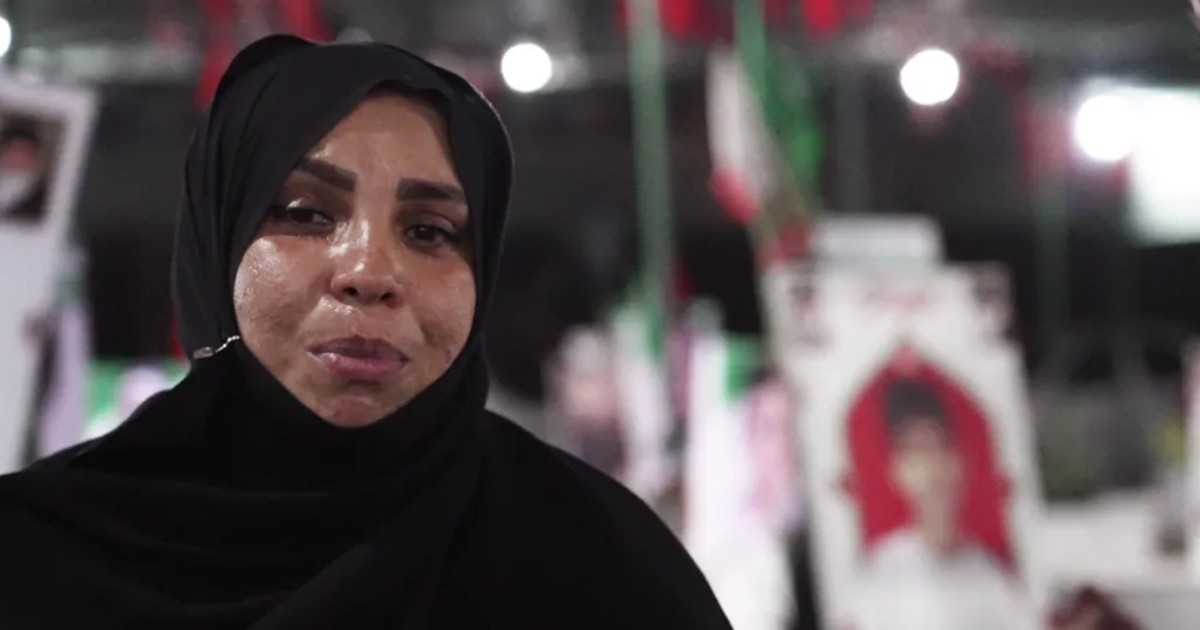
Outside the ruined school building, the local cemetery has become a nightly gathering place for mourning families. Mothers and fathers spend hours tending to the small graves of children whose lives were cut short before they could fulfill their dreams. Masoumeh Mehran Shekhabadi, whose nine-year-old daughter Setayesh was killed in the strike, visits the gravesite daily, remembering how her daughter used to play school with her dolls and express her ambition of becoming a teacher. As the geopolitical conflict continues to reverberate across the Middle East, the tragedy of Minab stands as an enduring testament to the heavy human cost borne by innocent civilians caught in the crossfire.
The international community has watched these developments with mounting concern, as human rights organizations urge independent oversight and rigorous accountability measures for civilian casualties. Legal experts note that attacks on educational facilities, regardless of surrounding military activity, demand exhaustive scrutiny under international humanitarian law. Until transparent findings are released and genuine restitution is offered to the affected families, the collective grief in Minab will remain raw, fueling a deep-seated resentment that transcends the immediate military theater and stains the broader historical record of the conflict.