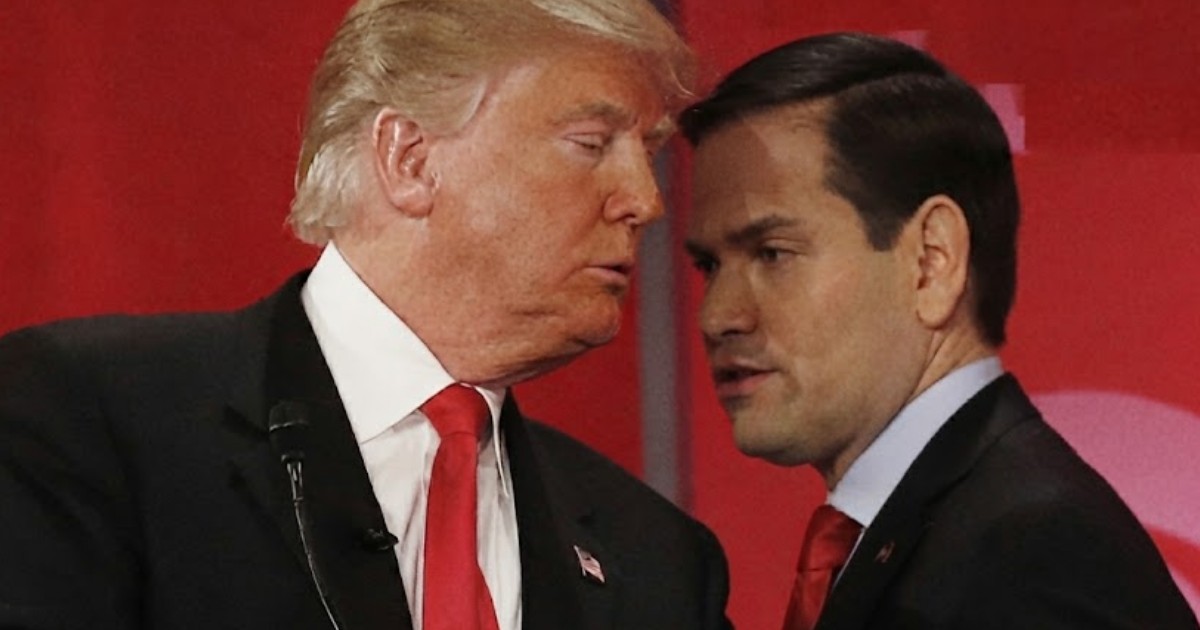
The United States State Department has unveiled a comprehensive campaign to systematically dismantle the International Criminal Court, according to BBC News and Reuters. Secretary of State Marco Rubio announced the hardline policy shift, describing the global tribunal as an intolerable threat to American sovereignty and vowing to use all available government resources to disable its operations. This aggressive posture marks a dramatic escalation in Washington`s long-running hostility toward the Hague-based tribunal, setting the stage for fresh diplomatic friction between the United States and its international allies.
According to official statements released by the State Department, the administration plans to implement a coordinated series of diplomatic pressures, visa restrictions, and financial sanctions against the court and its personnel. Rubio argued that the tribunal has overstepped its mandate by asserting jurisdiction over American service members and officials, despite the United States never having ratified the Rome Statute. Washington`s stated objective is to pressure foreign governments and international partners into rejecting the court`s authority, particularly regarding actions involving non-member states.
The International Criminal Court, established in two thousand and two under the foundational Rome Statute, serves as a permanent international tribunal tasked with prosecuting individuals for genocide, war crimes, and crimes against humanity. While the United States has maintained a posture of non-membership since the treaty`s inception, successive administrations have adopted varying approaches, ranging from active hostility to selective cooperation in specific global conflict zones. The newly announced wholesale assault on the institution has alarmed human rights organizations and international legal experts, who warn that weakening the court severely undermines global accountability for mass atrocities.
United Nations representatives defended the tribunal`s critical role within the international justice architecture, emphasizing that the institution remains an indispensable pillar for delivering justice to victims of grave crimes worldwide. European allies and other nations party to the treaty now face intense diplomatic scrutiny from Washington as the United States attempts to rally international resistance against the court`s jurisdiction. Observers note that this high-stakes confrontation highlights a deepening ideological rift between national sovereignty advocates and supporters of multilateral legal frameworks.
As the diplomatic maneuvers unfold, legal scholars remain skeptical about whether Washington can successfully dismantle an independent international treaty organization backed by more than one hundred member states. However, analysts point out that even without dissolving the institution, targeted US sanctions and travel bans can significantly impair its investigative capacities and deter international cooperation. The unfolding standoff signals a turbulent new chapter in global geopolitics, where the future enforcement of international criminal law hangs in the balance.