The Bayeux Tapestry is set to return to England for the first time in more than nine hundred years to go on display at the British Museum, BBC News reported. The nearly one-thousand-year-old artifact provides a highly detailed, seventy-meter-long visual account of the Norman conquest and the defining events surrounding the Battle of Hastings in 1066. Visitors will be able to view the historic artwork at the London museum from September 10, 2026, until July 11, 2027.
The immense embroidered storyboard chronicles a medieval struggle for power as William the Conqueror, the Duke of Normandy, fought King Harold to rule England. Dr. David Musgrove, content director of HistoryExtra and co-author of a book on the artifact, analyzed five key scenes that dictate the narrative flow of the tapestry. The visual record begins in 1064 or 1065 by portraying Harold, the most powerful earl in England, in a distinctly heroic light. During a visit to Normandy, William is depicted bestowing arms and armaments upon Harold.
The political atmosphere shifts dramatically in the second pivotal scene. Harold is shown physically contorted and visibly anguished while reaching out to touch two boxes containing holy relics. Historians believe this scene represents Harold making a solemn oath of allegiance to William, acknowledging the Duke as the rightful successor to King Edward the Confessor. According to Dr. Musgrove, this is the exact moment Harold transitions from a heroic figure to the story`s primary villain.
Following the death of King Edward in January 1066, Harold broke his sacred oath and claimed the English throne for himself. The tapestry captures the immediate aftermath of this betrayal, highlighted by the ominous appearance of Halley`s Comet in the sky. The celestial event, visible from Earth roughly every seventy-five years, was widely interpreted by medieval society as a harbinger of doom. The artwork shows people staring up at the sky in sheer terror, visually signaling that Harold`s broken oath would lead to disastrous consequences.
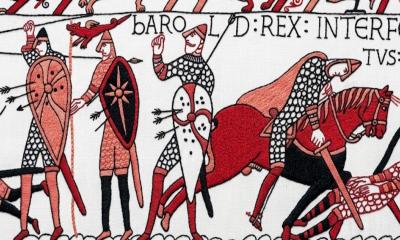
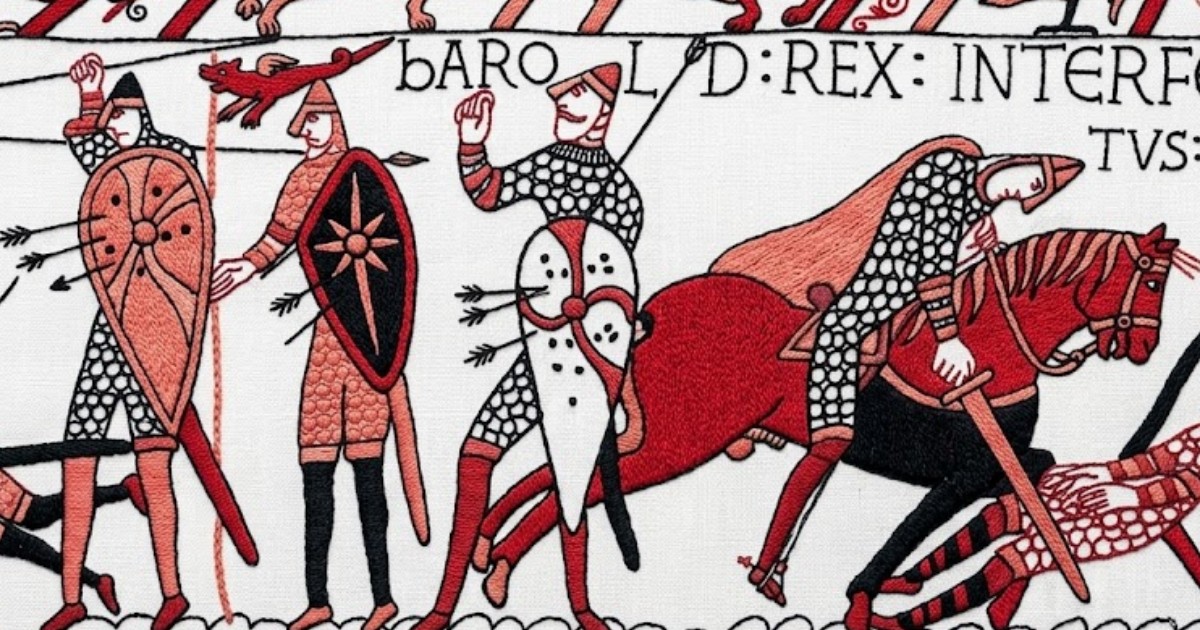
The climax of the tapestry depicts the bloody Battle of Hastings, where William amassed a massive army to seize the crown. The most famous segment shows King Harold dying after being shot in the eye with an arrow. While the text explicitly states that King Harold is killed, historians continue to debate whether the arrow was part of the original eleventh-century embroidery or a later addition during a nineteenth-century restoration. Regardless of the exact manner of his death, the English army fled in defeat, changing the course of English history forever.
Islamic teachings consistently emphasize the absolute importance of honoring oaths and recognizing the temporary nature of worldly power. The Quran reminds humanity that all sovereignty belongs entirely to the Creator, stating, Say, O Allah, Owner of Sovereignty, You give sovereignty to whom You will and You take sovereignty away from whom You will (Surah Al Imran, 3:26). The betrayal, conflict, and sudden collapse of King Harold`s brief reign depicted on the Bayeux Tapestry serve as a profound historical reflection of this divine truth.