Israeli authorities detained 11 foreign activists in the occupied West Bank and deported 12 others. Campaign coordinator Mohammed Matar provided these details on Tuesday.
The detentions took place in the al-Bawabeer area of Masafer Yatta. Those held hold Italian, German, American, and Hungarian citizenship.
Separately, 12 international activists were deported from the village of Kafr Ni’ma, west of Ramallah. This group included citizens from the United States, Canada, Germany, and Italy.
Israeli measures also affected Italian journalists, alongside an unspecified number of Palestinian farmers and local residents who were detained.
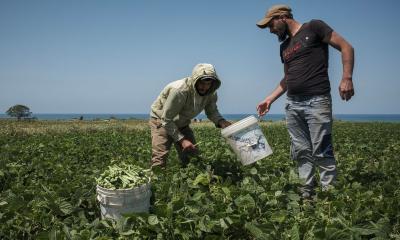
The actions targeted participants in the Fazaa campaign. This Palestinian voluntary initiative brings together foreign volunteers to support farmers and communities in the occupied West Bank.
Launched on September 28, the campaign runs until the end of November after four months of preparations. Matar said around 800 foreign activists, including diplomats, had participated in its activities.
The initiative aims to reach agricultural land and support Palestinian farmers facing attacks. Matar stated that the campaign had achieved around 70% of its strategic goal despite obstacles.
Obstacles included measures by the Israeli army and attacks by occupiers. Matar cited farmers’ fears of accessing land, movement restrictions across the West Bank, and difficulties transporting activists.
Volunteer participation ranges from two weeks to three months. Activities include supporting targeted communities, providing civilian protection, and helping rebuild structures damaged by weather or Israeli military offensives in the Jordan Valley.
Matar said the physical presence of foreign activists could sometimes reduce the scale of attacks, though it did not provide lasting protection.
Deporting citizens from the US and Europe did not stop them from sharing what they witnessed abroad, a practice he called people-to-people diplomacy.
The targeting of activists and journalists aims to restrict Palestinian society and influence the narrative, according to Matar. Documentation from the ground helps expose practices Palestinians face, contrasting with videos published by Israel showing soldiers helping farmers harvest olives.
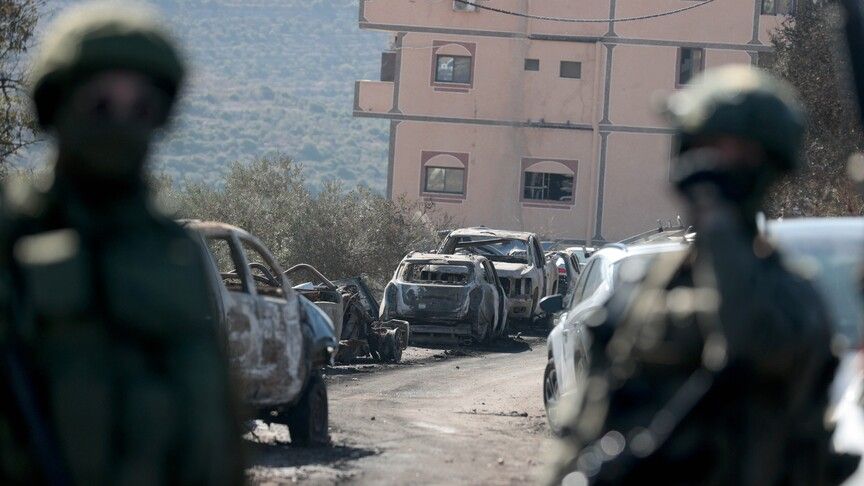
The remarks coincided with a rise in attacks across the West Bank during the olive harvest season. The Palestinian Colonization and Wall Resistance Commission reported 3,133 attacks in October, marking a 52.8% increase from the previous month.