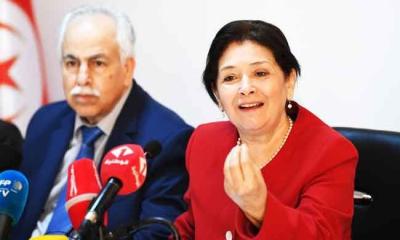
Bangladesh announced on Thursday that it will pursue appropriate compensation for Rohingya refugees following a landmark international court ruling. State Minister for Foreign Affairs Humaiun Kobir addressed reporters in Dhaka to outline the national position.
The United Nations top court ruled on Thursday that Myanmar committed genocide against Rohingya Muslims during military operations in northern Rakhine State in 2017. Judges reached the finding by a vote of nine to six, marking the first time the court has held a sovereign state responsible for genocide.
Kobir told journalists that the decision is final. "There is no scope to appeal against the ruling," he stated during the briefing.
Authorities in Dhaka intend to collaborate with bilateral and multilateral partners, including the United Nations, on financial reparations. The minister said the goal is "to ensure that the Rohingya, who have been affected with the act of atrocities, genocide by the state of Myanmar, get appropriate compensation."
The Gambia is expected to bring the matter before the UN Security Council. Kobir confirmed that Bangladesh will work closely within the UN system to advance the process.
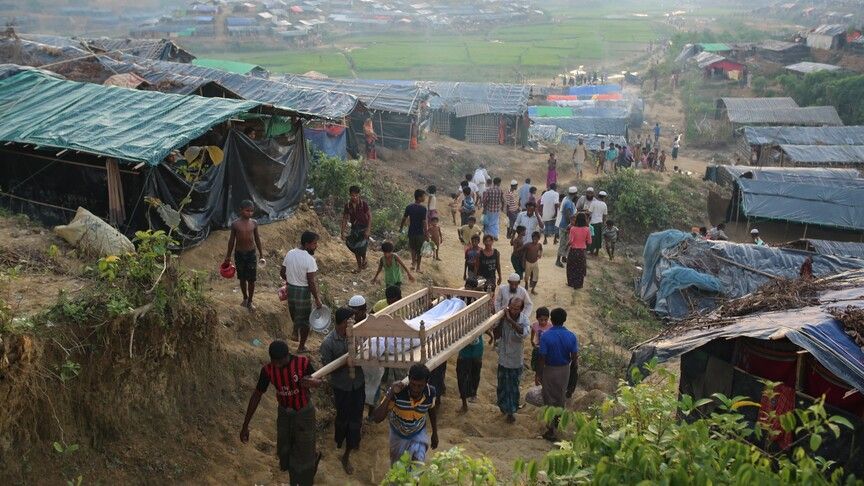
Bangladesh currently hosts roughly 1.3 million Rohingya refugees in southeastern Cox’s Bazar. Most of these individuals fled across the border during the military crackdown in August 2017.
Regarding the long-term future of the refugees, Kobir noted that safety is essential. "Simply sending them back tomorrow would not constitute a safe return," he explained, adding that authorities "must ensure their security within Rakhine State – a place where they can go and lead their lives."
Repatriation will demand coordinated efforts involving multiple agencies, according to the minister. Bangladesh plans to work alongside UN agencies and other those involved to achieve a secure environment.
Kobir also appealed for the continuation of international assistance to support the refugee population until repatriation becomes feasible.
Meanwhile, the Rohingya Solidarity Organization welcomed the final judgment on Thursday. The group described the verdict as historic and a key milestone in the pursuit of justice, accountability, and the protection of fundamental rights for the displaced community.
The organization stated that the ruling reaffirmed the importance of international law in defending all populations against genocide and grave human rights violations.