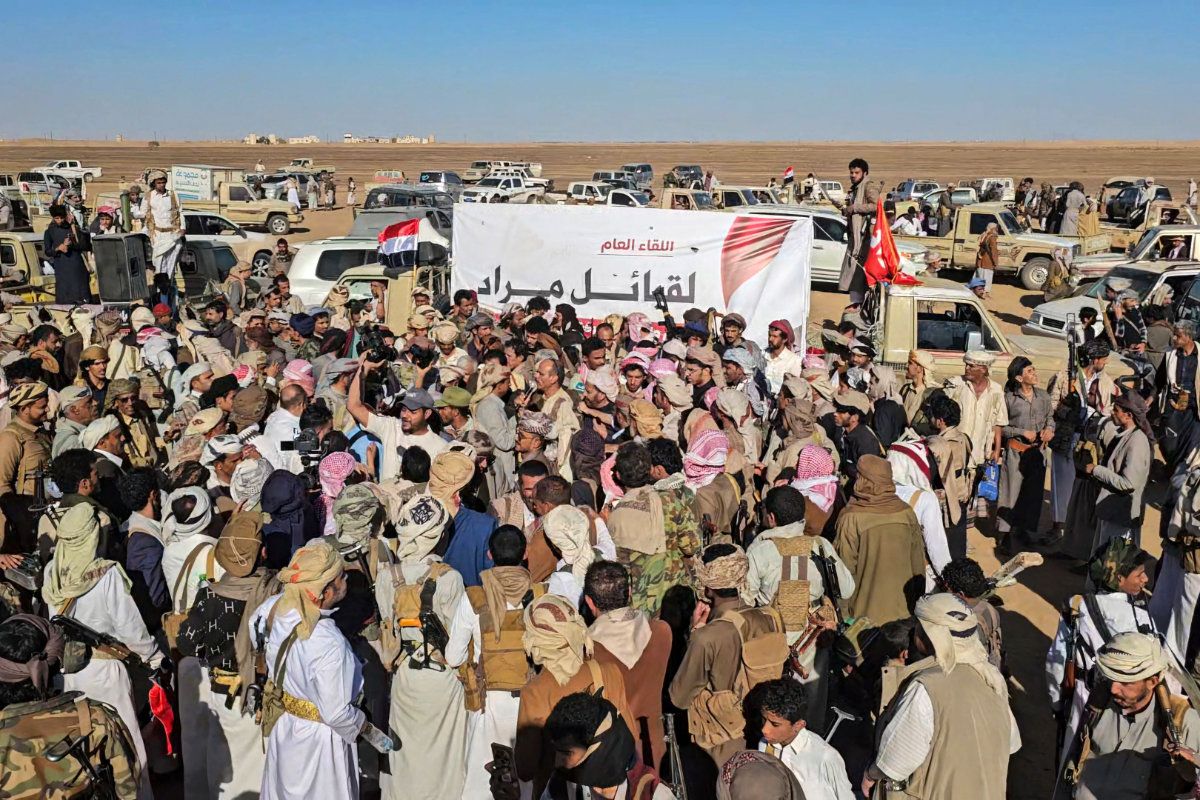
Yemen’s internationally recognized government on Monday demanded that Iran stop arming Houthi militias, withdraw its military experts and cease interfering in internal affairs. The Aden-based Ministry of Foreign Affairs and Expatriate Affairs accused Tehran of prolonging the war and providing diplomatic cover for the group.
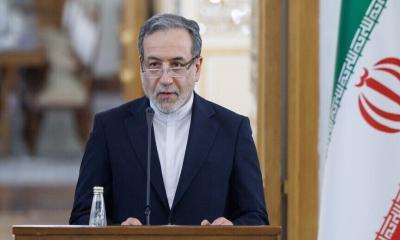
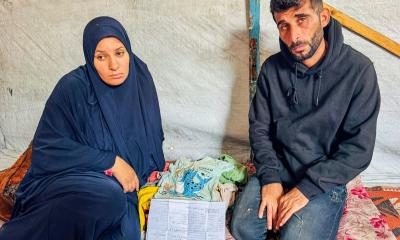
The diplomatic clash followed an Iranian Foreign Ministry statement that accused Saudi Arabia of violating Yemen’s sovereignty and condemned airstrikes on civilian targets. Tehran pointed to strikes on the Al-Hadara public market in Al-Wazi’iyah district of Taiz province on November 6, which it said killed 33 people, including 13 children, and wounded dozens.
The Iranian statement also cited an attack on Al-Shariyah village in Bani Hashish district east of Sanaa that it said killed another 33 people, including women and children, alongside targeting members of Yemen’s Al-Masirah television network. Tehran described the attacks as violations of international humanitarian law and the UN Charter, calling for an immediate halt to military operations, an end to blockades, and a return to dialogue.
Yemen’s Foreign Ministry rejected what it called Iran’s exploitation of the victims of the Al-Hadara market incident. The ministry said competent Yemeni authorities had called for independent investigations into alleged Houthi violations of human rights and international law.
The Yemeni ministry described Tehran’s statement as an attempt to provide media cover for terrorist Houthi militias and evade responsibility for deepening humanitarian suffering. It said Iranian intervention had evolved beyond financing, arming and training into direct involvement in planning and managing military operations.
The ministry cited an announcement by Yemen’s Interior Ministry that 21 foreign experts were working with the Houthis. This total included 14 from Iran’s Islamic Revolutionary Guard Corps and seven from Lebanon’s Hezbollah.
According to the statement, their responsibilities include command and control, operational management, ballistic missiles, drones, electronic warfare, military-component smuggling and coordination of maritime operations, including selecting commercial vessels for attacks. The ministry described their presence as a fully-fledged general staff.
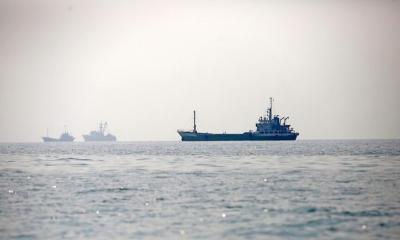
The Yemeni government accused Tehran of enabling the Houthis to continue abducting, killing and terrorising civilians, shelling cities, and besieging populations. It also accused the group of repeatedly attacking Saudi territory and commercial shipping in the Red Sea and Bab Al-Mandab Strait.
The ministry recalled UN Security Council Resolution 2216 and Resolution 2624, which expanded the arms embargo to include the Houthis as an entity. It urged Tehran to respect the sovereignty of regional states and abandon its support for armed groups.
The ministry stated that the Iranian regime had offered the Yemeni people nothing through twelve years of war but missiles, suicide drones, explosive-laden boats and experts of destruction. By contrast, it praised Saudi Arabia for providing relief, humanitarian and development assistance, and facilities for Yemeni expatriates.
The ministry said respect for Yemen’s sovereignty required Iran to stop arming the Houthis and end interference in national decision-making. Yemen has been engulfed in conflict since the Houthis seized Sanaa in 2014 and forced the internationally recognized government from the capital, triggering a severe humanitarian crisis.