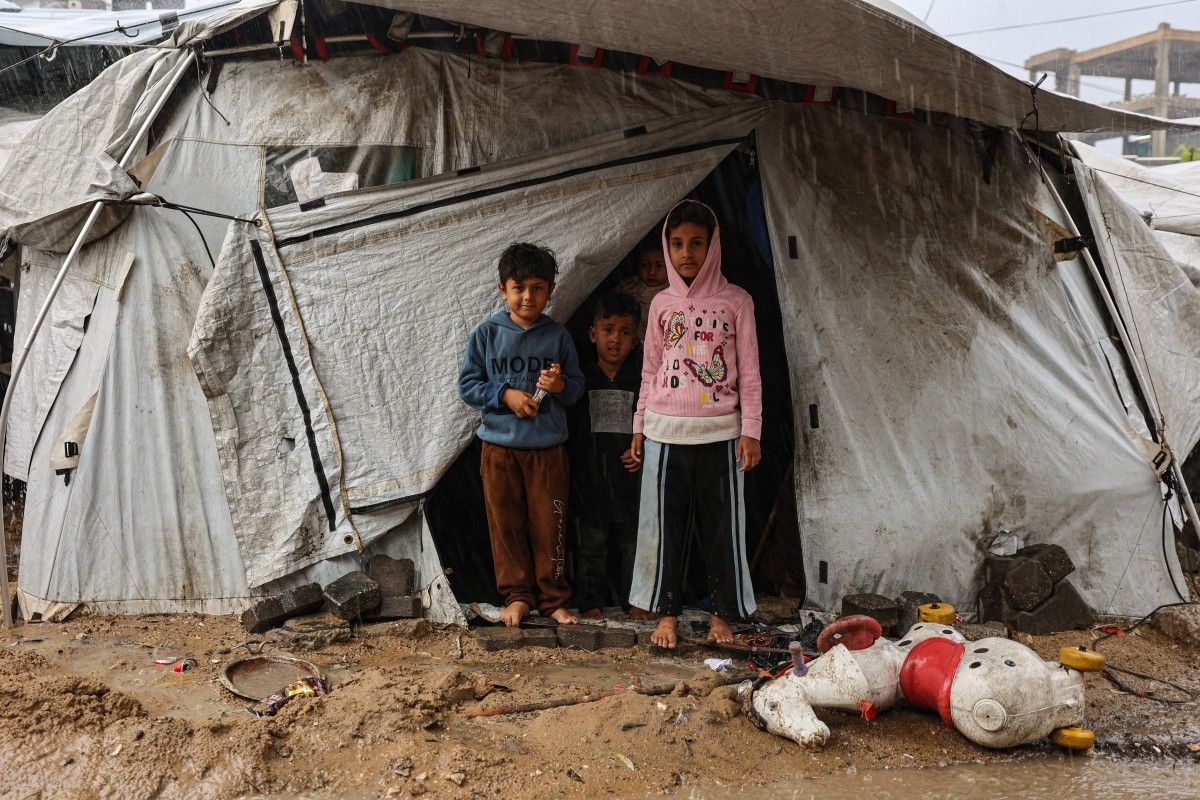
Maysa Yousef spent 500 shekels, about 160 US dollars, covering the glassless windows of her bomb-damaged home in central Gaza with plastic. Water leaked inside anyway, and nearby shelling knocked the frames loose, leaving her searching for plastic sheeting and tape that had already sold out.
Five members of Yousef’s family now share a single room while the living room remains uninhabitable. Dislodged windows and collapsed doors expose the space to the elements. She still considers herself fortunate to have walls that leak.
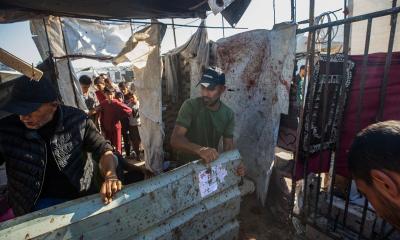
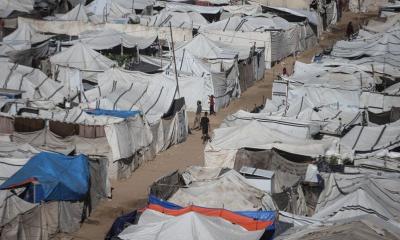
Across Gaza on Friday, weekend storms left tens of thousands of Palestinians in flooded or damaged tents. Aid agencies reported that about 150,000 new shelters remained outside the territory awaiting Israeli approval.
A woman and at least four children were killed as rain and strong winds battered makeshift shelters. Floodwater carried sewage into tents, soaking bedding and food supplies.
The UN humanitarian office, OCHA, stated that the storms destroyed more than 6,000 family shelters and damaged 17,400 others. Tents blew away, water rose to knee level, and food reserves were submerged.
Amnesty International Secretary-General Agnes Callamard said that Israel’s destruction of life-sustaining infrastructure left Palestinian families exposed to extreme winter weather, heavy winds, and flooding in makeshift shelters.
The US-created Board of Peace stated that Israeli delays in allowing winter supplies into Gaza worsened the consequences of a foreseeable humanitarian challenge. Israeli Prime Minister Benjamin Netanyahu denied responsibility, blaming Hamas for refusing to disarm and accusing the group of diverting aid for military use.
Doctors warned that inadequate shelter, overcrowding, and unsafe water contributed to preventable illnesses. Dr Salwa Al-Tibi, MedGlobal’s country representative in Gaza, described the health situation as a disaster.
MedGlobal recorded about 125 respiratory infection cases a day in recent months, alongside 70 to 80 cases of acute diarrhoea and other waterborne diseases, and about 20 skin diseases and infections daily. Al-Tibi said these conditions stemmed from unsafe water and poor hygiene.
According to the World Health Organization, all 36 hospitals and most primary health centres in Gaza sustained damage by June 30, 2026. OCHA reported that 94 percent of the territory’s healthcare facilities were fully or partially out of service.
Medical facilities struggled to treat injuries amid the crisis. Yousef described how her husband’s nephew suffered a compound fracture in a mosque courtyard, but hospitals could not provide emergency care due to a lack of supplies and staff capacity.