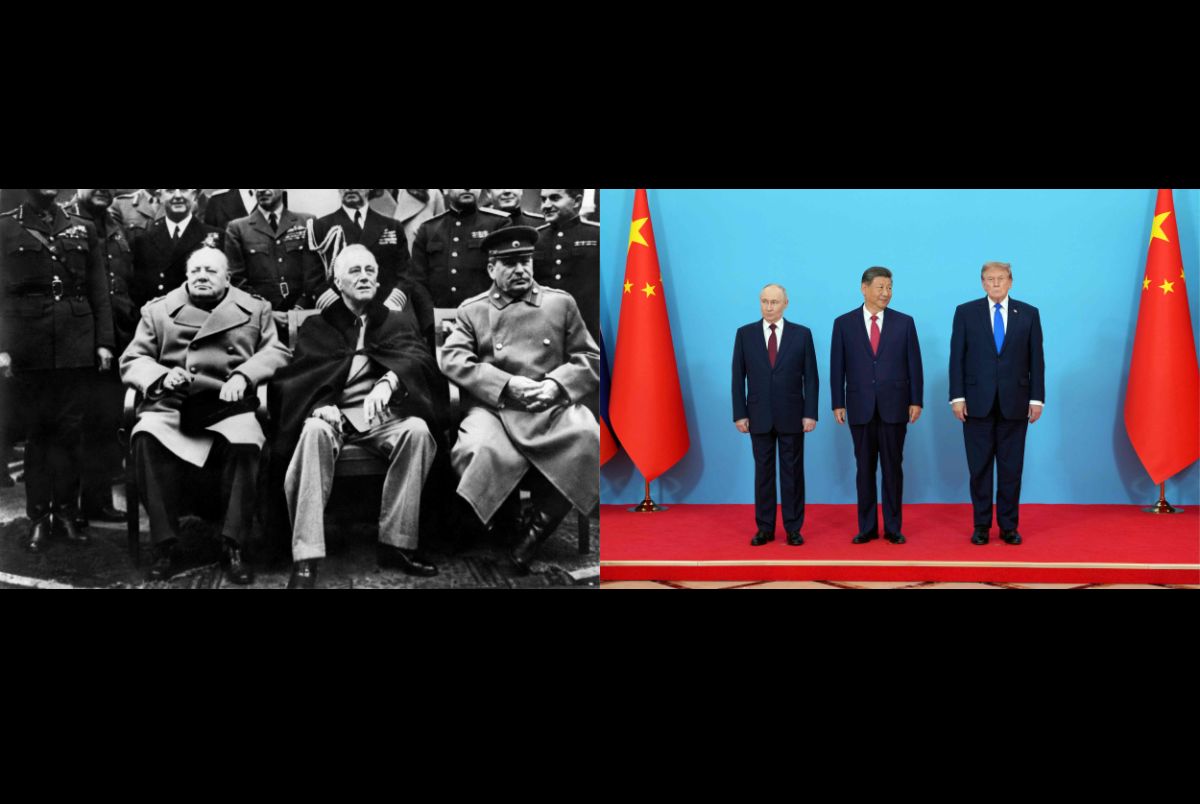
European leaders gathered in Berlin on Thursday to coordinate their stance on Ukraine. They issued stern warnings against any peace settlement negotiated without their direct participation.
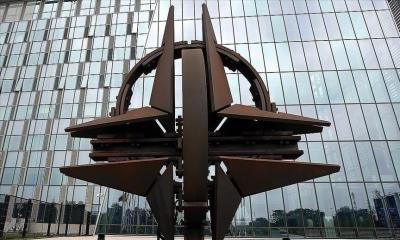
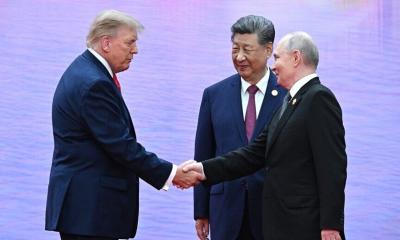
The meeting of the Coalition of the Willing brought together the heads of Germany, France, Britain, Poland, and Italy. NATO representatives and US special envoys Steve Witkoff and Jared Kushner also attended. The gathering followed a summit in Shenzhen where US President Donald Trump embraced Russian leader Vladimir Putin as a friend during talks that included Chinese President Xi Jinping.
The Shenzhen meeting stirred immediate comparisons to the 1945 Yalta Conference, where major powers carved out spheres of influence over smaller nations. German Chancellor Friedrich Merz rejected any such format for Ukraine. A Yalta format will not bring peace, Merz told reporters, adding that leaders would not allow Europe to be divided up.
Despite the tensions, British Prime Minister Andy Burnham said the US and Europe had reached their first real alignment on Ukraine in months. Leaders of Germany, France, Britain, and Ukraine also stated jointly that Russia would be unable to outlast their steadfast support.
Speaking to Reuters from Air Force One, Trump called into the Berlin meeting. President Putin wants to make a deal, they want to make a deal, everybody wants to make a deal, so let’s make a deal, Trump said. He denied complaining about European spending on the four-and-a-half-year-old war, telling participants they should fund their own countries instead.
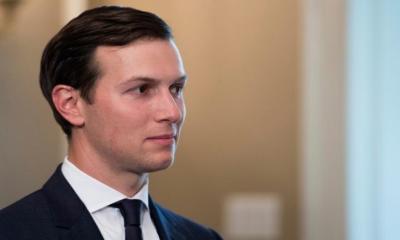
Standing beside Merz, Kushner stated that Trump wanted a peace agreement with Europe at his side and that Russia had agreed to multilateral talks with European nations. Kushner said that Trump was open to security guarantees for Ukraine modeled on NATO Article 5 and that Russia had grown comfortable with the idea.
Ukrainian President Volodymyr Zelensky maintained that Europe must be included in negotiations. However, Zelensky expressed skepticism regarding the proposed security guarantees. I am not sure we have an acceptance of Article 5 like we understand it, Zelensky told journalists, noting that terms must be clear for society and investors.
The Shenzhen summit drew sharp rebukes from several European capitals and American Democrats. Polish Prime Minister Donald Tusk issued a public rejoinder to Trump. Mr Putin is not our friend and will never be, Tusk said.
Danish Prime Minister Mette Frederiksen called the meeting incomprehensible and warned that Putin would be emboldened. In Washington, Senate Democratic leader Chuck Schumer termed the gathering a historic embarrassment.
NATO Secretary General Mark Rutte offered a more conciliatory view, commending Trump for making efforts to achieve peace in Ukraine.
Putin stated in Shenzhen that China, the US, and Russia shared numerous interests in settling regional conflicts. He proposed that European envoys travel to Moscow to clarify their positions before any decisions are made regarding future peace formats.