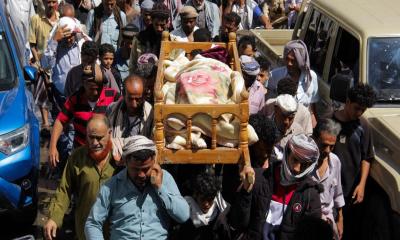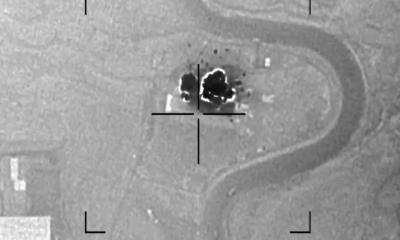
Group of Seven foreign ministers condemned ongoing Houthi strikes inside Yemen and against Saudi Arabia on Wednesday. They urged all actors, including Iran, to stop arming and supporting the group.
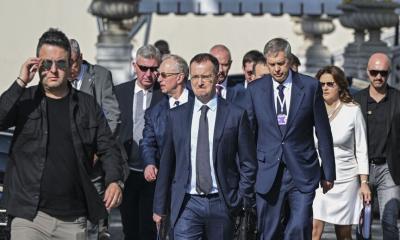
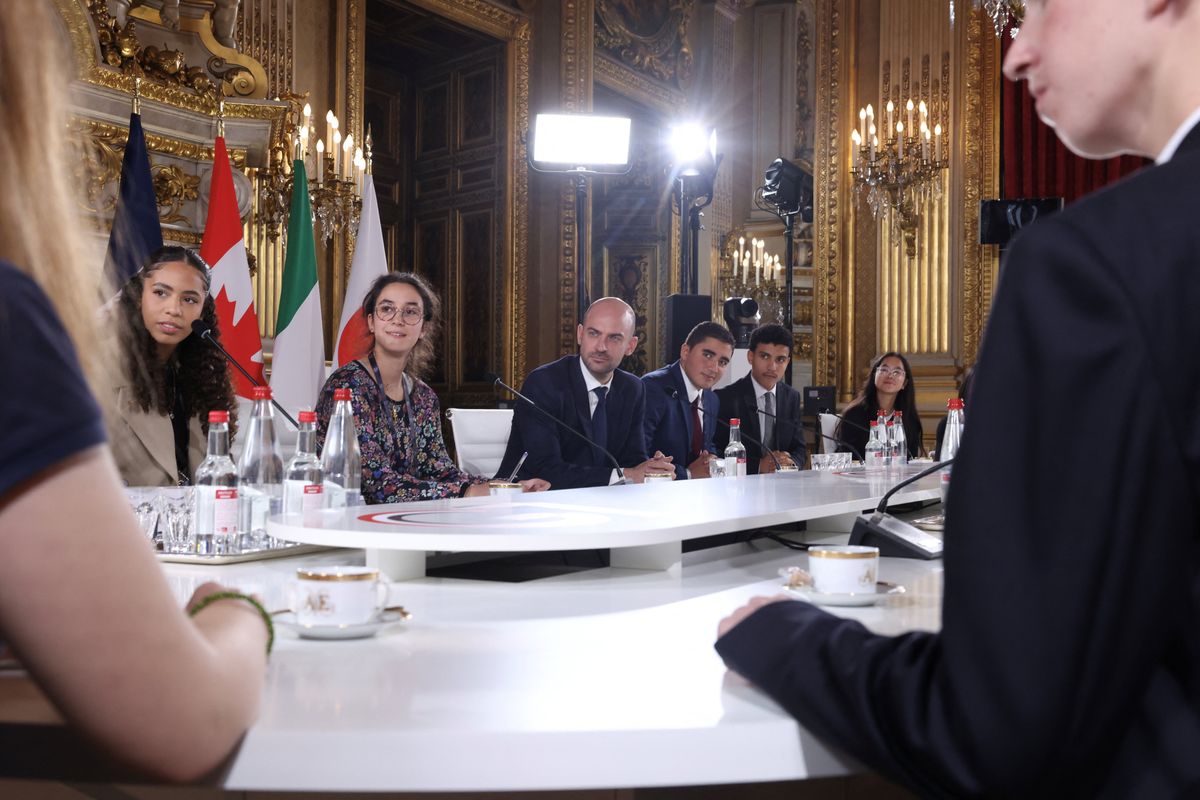
Ministers from Canada, France, Germany, Italy, Japan, the United Kingdom, and the United States, alongside the European Union high representative, released a joint statement after meeting in Paris on November 9 and 10. The statement noted that the Houthi assaults included strikes on civilians and civilian infrastructure.
The ministers expressed solidarity with the Yemeni government and Saudi Arabia. They reaffirmed the right of both nations to defend their security, sovereignty, and territorial integrity in line with international law, while calling on the Houthis to immediately halt all military action and threats to allow an inclusive political process to resume.
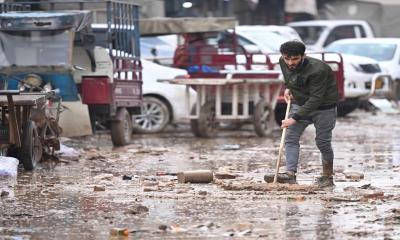
The group also called for the urgent opening of a humanitarian corridor in Taiz. They renewed demands for the release of all detained humanitarian workers, which includes 70 United Nations staff held by the Houthis.
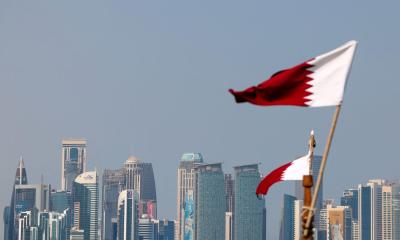
The G7 strongly condemned Iranian attacks on neighbours and the obstruction of shipping through the Strait of Hormuz. Officials stated that the disruption had damaged international trade, energy security, and the global economy, calling on Tehran to end attacks on civilian vessels and rejecting any maritime tolls or restrictions.
The ministers supported demining and escort operations carried out by United States Central Command. They stated that a separate defensive initiative led by France and the United Kingdom could help restore shipping traffic and verify mine clearance.
Regarding Iran’s nuclear program, the G7 stated that Tehran must never be allowed to develop or acquire a nuclear weapon. They urged the Iranian government to resume full cooperation with the International Atomic Energy Agency.
Ministers also voiced concern about Iranian involvement in violent plots against G7 citizens and territories. They acknowledged the United Kingdom attribution of a September 27 incident at the Royal Air Force Fairford air base to Iran, stating Tehran should be in no doubt that members are committed to safeguarding their sovereignty.
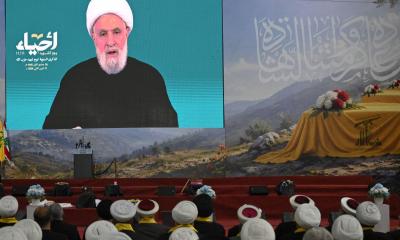
On Lebanon, the ministers stated that disarming all non-state armed groups, foremost among them Hezbollah, is essential. They called for a robust security framework to support the Lebanese army as the United Nations peacekeeping force UNIFIL mandate ends this year.
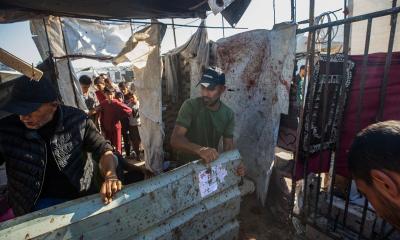
Regarding Gaza, the officials called for the swift implementation of United Nations Security Council Resolution 2803. They stated that Hamas can have no role in the territory’s future and that Israel must progressively withdraw under conditions set out in the resolution.
The ministers reaffirmed support for an inclusive political transition in Syria and expressed concern over the south, calling for respect for Syrian sovereignty and territorial integrity. Israeli forces have occupied parts of southern Syria since the fall of Bashar Assad in December 2024.