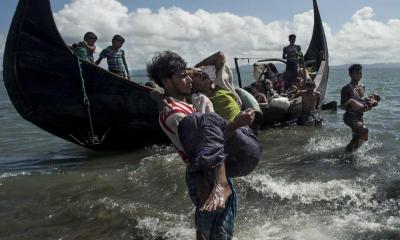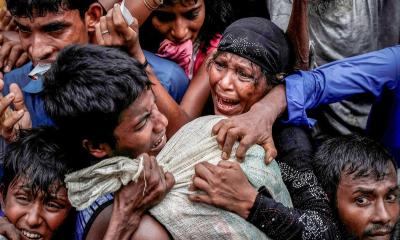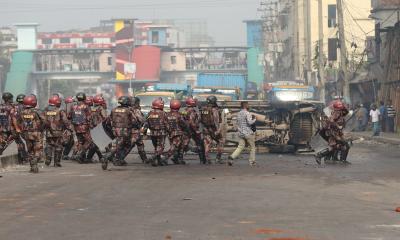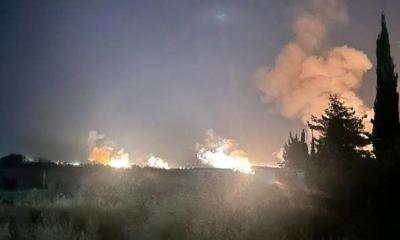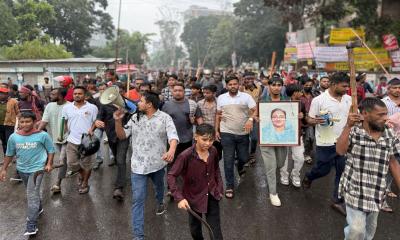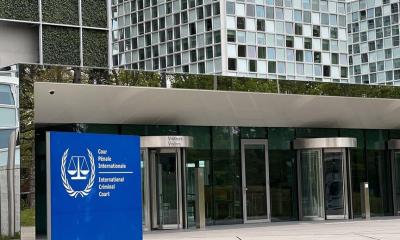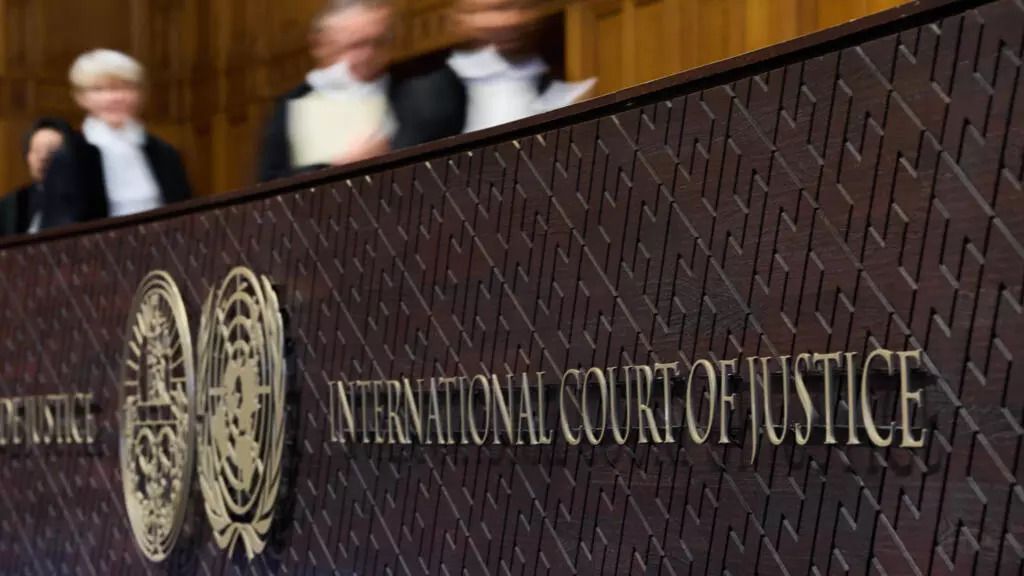
Myanmar security forces killed thousands of Rohingya civilians during a brutal 2017 military crackdown on the Muslim minority, the International Court of Justice said on Thursday. The top United Nations court stated that soldiers killed and raped Rohingya, committed violence against children, and destroyed villages.
ICJ President Yuji Iwasawa told the court that troops killed thousands of Rohingya civilians, perpetrated widespread acts of sexual violence, and committed acts of extreme violence against children. He added that forces attacked fleeing Rohingya as they sought to escape in large numbers to Bangladesh.
The court has not yet ruled whether Myanmar committed genocide, with the landmark ruling expected to take around three hours to read out. However, Iwasawa stated that the only reasonable inference was that Myanmar intended to destroy a substantial part of the Rohingya population. This intent serves as a key test when determining genocide under international law.
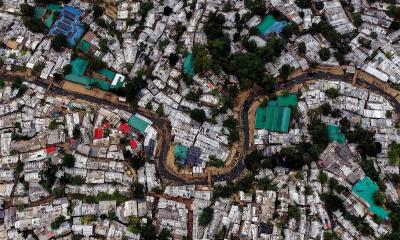
Iwasawa said the court determined an estimate of 10,000 Rohingya violently killed during the 2017 clearance operations is supported by the evidence. For the more than one million Rohingya now living in the world largest refugee camp over the border in Bangladesh, the ruling offers hope for accountability.
A 23-year-old Rohingya rape survivor living in a cramped shelter with her family said she wanted justice. She requested anonymity and stated that there should be stringent punishment for those who raped women, adding that the ICJ should address the sexual violence separately.
A panel of 15 judges has weighed for seven years whether Myanmar actions constitute genocide. The case was brought by The Gambia under the 1948 UN Genocide Convention, which allows any state to bring a case against another suspected of breaching the agreement set up after World War II.
The Gambia filed the case after reviewing credible reports of brutal violence inflicted upon a vulnerable group that had been dehumanized and persecuted for many years, according to justice minister Dawda Jallow. Jallow said The Gambia has the full backing of the 57-member Organization of Islamic Cooperation.
Myanmar has always denied genocide, arguing that its actions targeted a military uprising from insurgents after attacks left a dozen security personnel dead. Representative Ko Ko Hlaing told judges during hearings in January that Myanmar was not obliged to remain idle and allow terrorists to have free rein.
The ICJ has no way of enforcing its decisions. Even so, a ruling that Myanmar committed genocide would heap international pressure on leader Min Aung Hlaing. He commanded the military during the crackdown before ousting the elected government of Aung San Suu Kyi in a 2021 coup.
Genocide is difficult to prove because the convention requires proof of a specific intent to destroy a group. The ICJ has only once before found that a genocide took place, during the 1995 Srebrenica massacre in Bosnia.
Survivor Mohammed Osman said he hoped the verdict would allow him to return home and perform last rites for his parents and younger brother, who were killed by the military. Osman stated that troops shot his father, forced his mother into a house with other women, raped them, and burnt down their homestead.