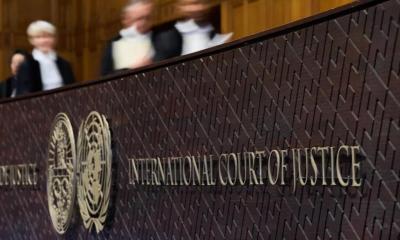
The highest court of the United Nations has ruled that Myanmar committed acts of genocide against its Rohingya minority during military clearance operations. The judgment from the International Court of Justice in The Hague concludes a seven-year legal battle. It marks the first time the tribunal has found a state directly responsible for genocide.
Yuji Iwasawa, the president of the court, delivered the decision during a public reading. He stated that the court was fully convinced Myanmar carried out acts under the genocide convention with the intent to destroy a substantial part of the Rohingya population.
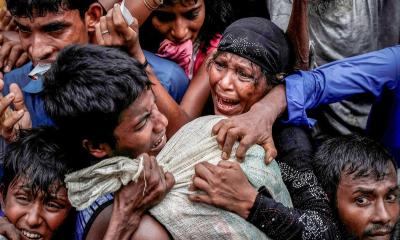
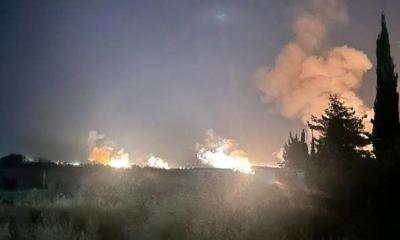
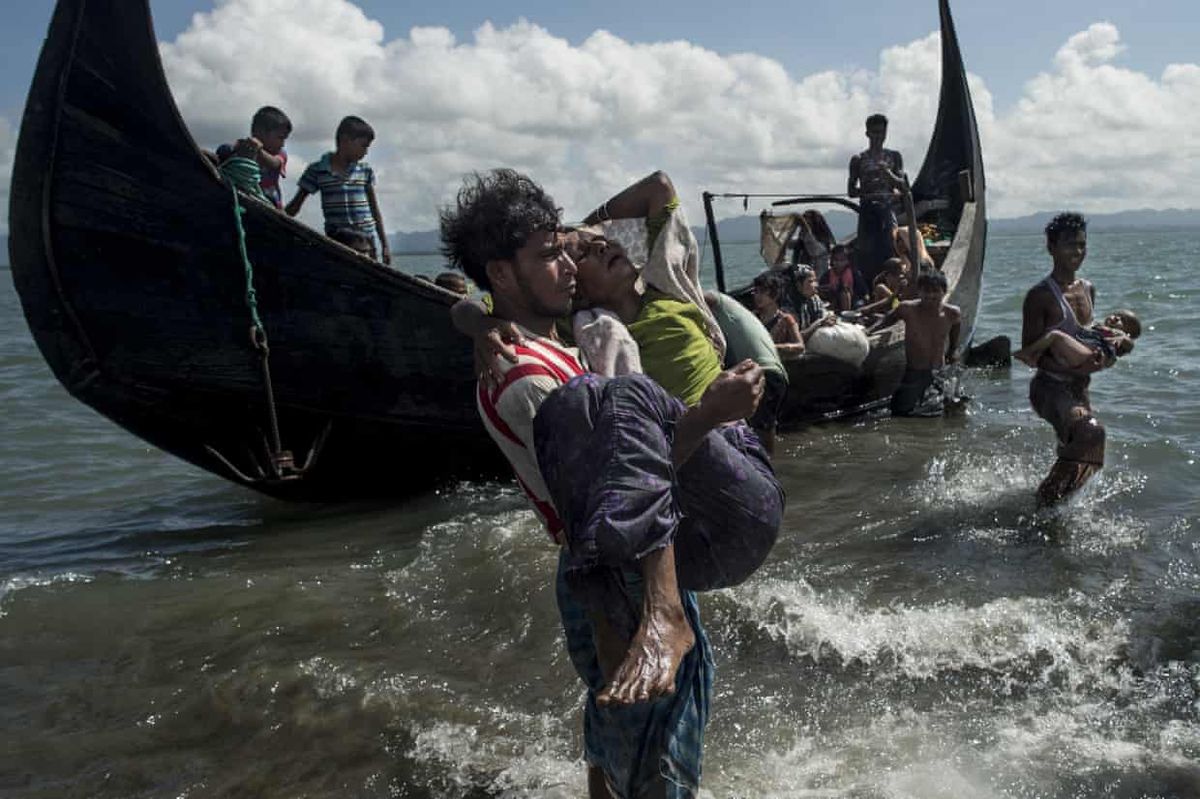
The military campaign in 2016 and 2017 forced more than 700,000 predominantly Muslim Rohingya to flee across the border into Bangladesh. Refugees brought accounts of mass killings involving adults and children, gang-rapes, and entire villages burned to the ground.
The legal proceedings were initiated by The Gambia, a Muslim-majority nation acting on behalf of Rohingya survivors. Dawda Jallow, the justice minister of The Gambia, told the court during hearings that the case focused on real people and real human beings targeted for destruction rather than esoteric legal issues.
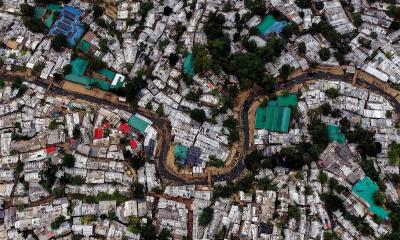
Myanmar denied the allegations of genocide and claimed its forces targeted a Rohingya militant group that carried out guerrilla attacks. The military responded with clearance operations in Rakhine state, where fewer than 600,000 Rohingya are now estimated to remain. More than one million members of the minority group live in refugee settlements in Bangladesh.
Proving genocide under the 1948 UN convention requires evidence of specific intent to destroy a national, ethnical, racial, or religious group, making it harder to prove than standard war crimes. Legal experts pointed out that the judgment serves as a test for sexual violence in genocide assessments, as the convention includes acts intended to prevent births through systematic gang-rapes and mutilation.
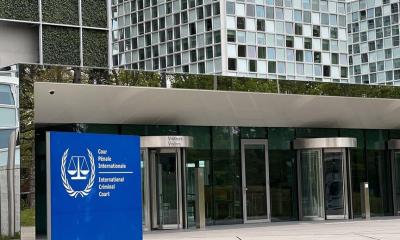
Min Aung Hlaing, who led the military during the attacks, faces a pending arrest warrant from the International Criminal Court for crimes against humanity. While the International Court of Justice lacks enforcement powers, its rulings are binding and carry diplomatic weight that can influence international sanctions.
Governments worldwide watched the proceedings closely because the precedent could influence other high-profile cases before international courts. Two previous cases involving the 1990s Balkans wars did not find states directly responsible for genocide, though Serbia was held responsible for failing to prevent the Srebrenica massacre.