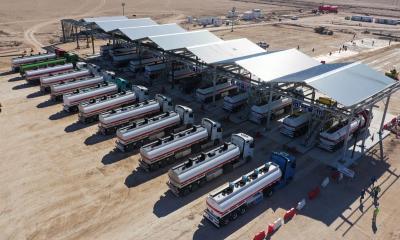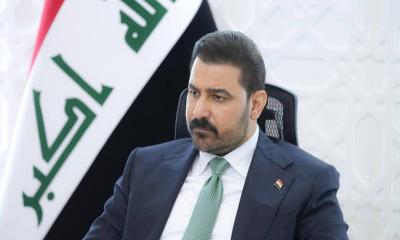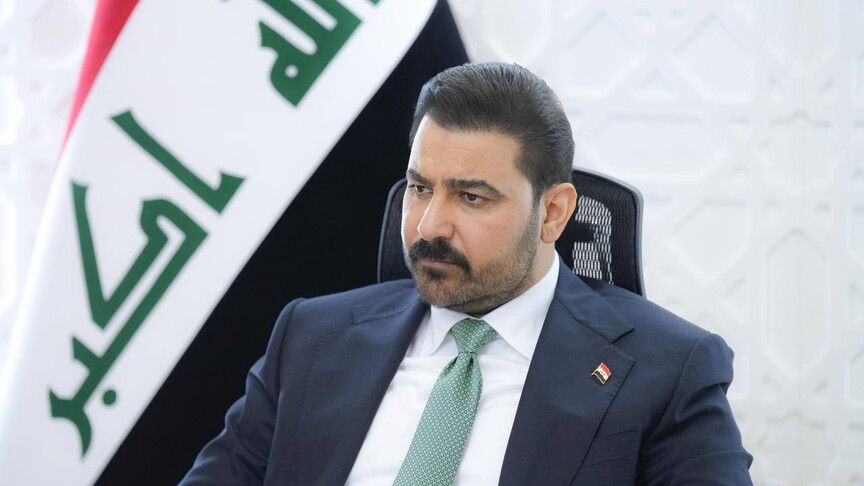
Iraqi Prime Minister Mohammed Shia al-Zaidi chaired an emergency security meeting on Tuesday to review findings from a committee investigating illegal fuel smuggling in Jurf al-Nasr, located in northern Babil.
Armed forces spokesperson Sabah al-Numan told INA that the committee backed a federal intelligence report on petroleum product smuggling. The inquiry confirmed clandestine oil refineries and tampering with state resources.
Al-Zaidi ordered judicial referrals and sweeping dismissals across provincial security ranks. Those removed included Babil’s police chief and the northern Babil police director.
The purge caught provincial directors from the Interior Ministry’s intelligence and counterterrorism service, the National Security Service, the Defense Ministry’s intelligence and security service, and the national intelligence service.
Al-Zaidi also dismissed Babil’s Popular Mobilization Forces commander, the commander of the Interior Ministry’s 6th Energy Police Brigade, and the director of the Oil Ministry’s Oil Pipelines Company.
He instructed provincial operations commanders, police chiefs, and security and intelligence heads to take full responsibility for preventing oil theft in their jurisdictions. He demanded stricter measures and warned that failing officials would face strict accountability.
"There will not be an inch of Iraq where smuggling is allowed to continue, from Zakho to Basra," al-Zaidi said.
The investigative committee began fieldwork on Friday, two days after al-Zaidi ordered its formation. Saad Maan, head of Iraq’s Security Media Cell, confirmed that no political groups or armed factions participated.
Babil Governor Ali Turki al-Jamali resigned on Thursday without giving a reason. He had dismissed the smuggling allegations two days earlier after touring the region with journalists, claiming the site was an old fuel station serving federal police and Popular Mobilization Forces vehicles.
Domestic media outlets had published details from a 19-page intelligence assessment identifying suspected smuggling operations dating back to 2021. That assessment used satellite imagery, geospatial analysis, and tanker tracking, with media reports citing involvement by armed factions.
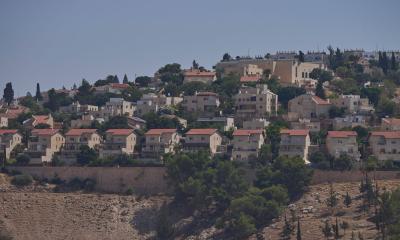
Iraqi armed forces and Popular Mobilization Forces factions recaptured Jurf al-Nasr, previously known as Jurf al-Sakhar, from the ISIS terror group in 2014. The area has strict security restrictions, and many displaced residents have not been permitted to return.