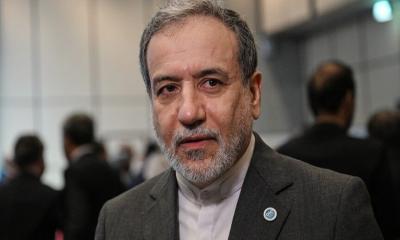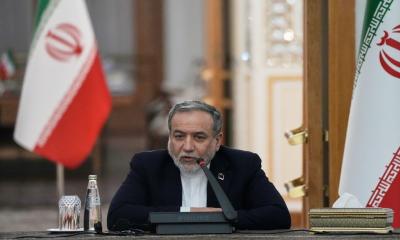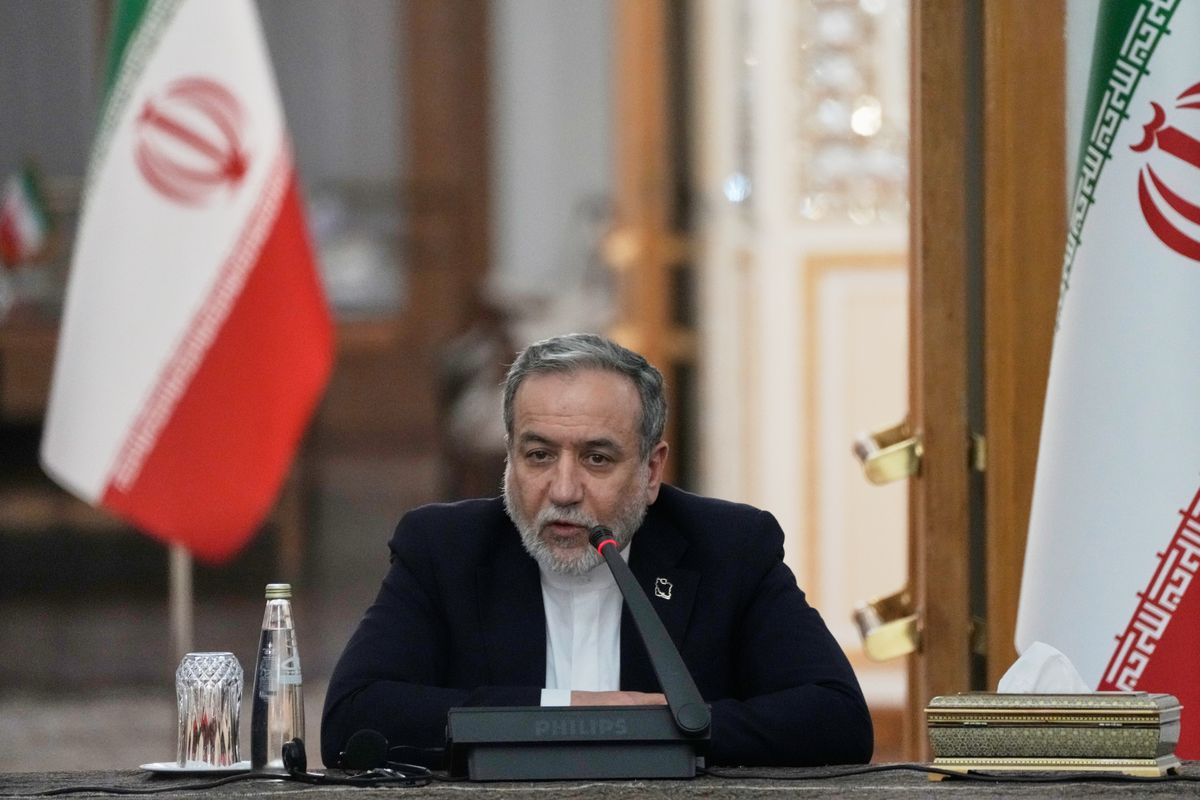
Iranian Foreign Minister Abbas Araghchi stated on Saturday that Beijing and Moscow oppose any shift in Tehran’s nuclear doctrine. The remarks came as domestic debates intensified over the direction of the national nuclear program.
Araghchi described the issue in an interview with the state-run Iran Daily newspaper as broad and serious, involving both supporters and opponents. He noted that strategic partners Russia and China are against altering the existing doctrine.
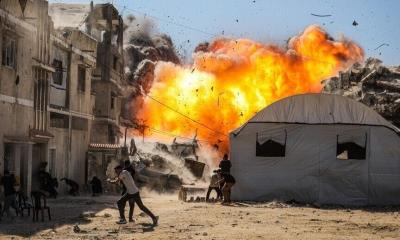
Discussion about a potential change has resurfaced among domestic political circles, especially hard-liners. This renewed debate follows conflicts with Israel and the United States that involved heavy attacks on Iranian nuclear facilities.
Certain advocates argue that a shift could allow Tehran to develop a nuclear weapon as a deterrent. Araghchi acknowledged that both sides of the domestic debate present their own rationale.
Official positions are unchanged for now. Araghchi stated that the country’s doctrine has not altered up to this point.
Iranian authorities have barred the International Atomic Energy Agency from inspecting nuclear sites. Officials cited security concerns and accused the agency of failing to condemn US and Israeli strikes against Iranian facilities.
The UN nuclear watchdog urged Iran last week to permit inspectors back into key facilities, calling such access critical.
Officials in Tehran continue to reference a religious decree issued by former supreme leader Ayatollah Ali Khamenei. The fatwa prohibited the development of weapons of mass destruction, including nuclear weapons.
Ayatollah Ali Khamenei was killed in a US and Israeli strike on his compound in central Tehran on February 28. The event sparked a regional war as Iran launched missile and drone attacks across the Middle East.
Mojtaba Khamenei succeeded his father and was appointed in March. He has remained out of public view and has not issued a new decree to overturn his father’s ruling.