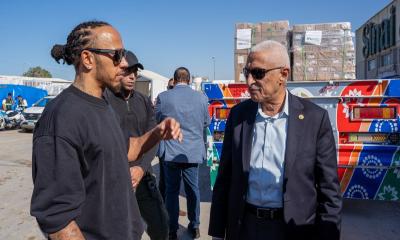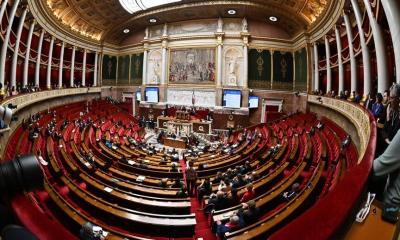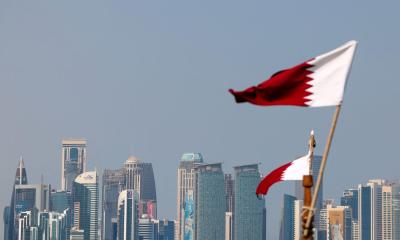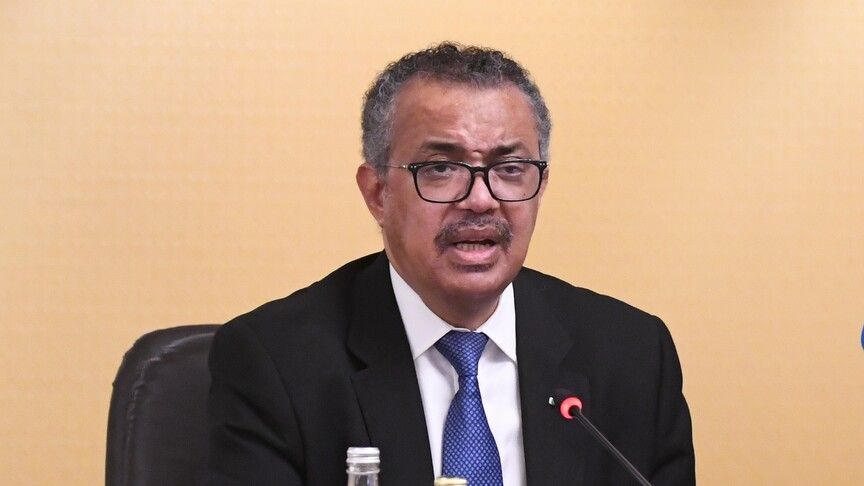
The head of the World Health Organization stated that peace is the most effective medicine for global conflicts. Speaking on the sidelines of the COP31 climate summit in Antalya, Tedros Adhanom Ghebreyesus urged the international community to commit firmly to peaceful resolutions.
"Peace is the best medicine, the most courageous leaders choose peace. The world must commit to it," Tedros told Anadolu.
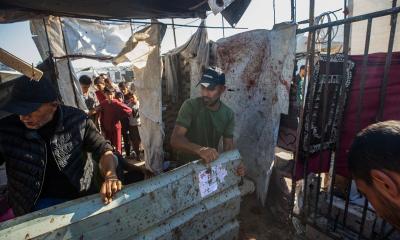
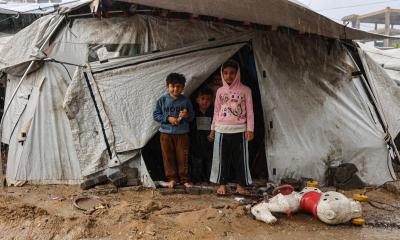
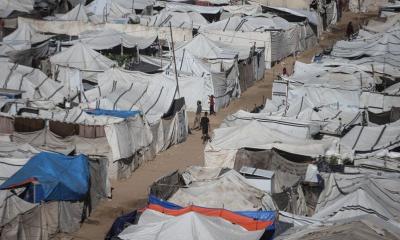
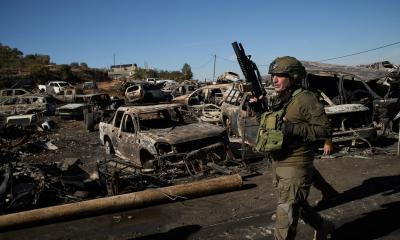
Addressing reporters ahead of the conclusion of his term in mid-August next year, the WHO chief emphasized the necessity of political solutions to resolve ongoing violence. Regarding the situation in the Palestinian territory, he acknowledged that conditions had improved slightly, but maintained that current progress is far from sufficient.
"Our leaders must focus on political solutions for Gaza," he added.
During a separate news briefing alongside Turkish Health Minister Kemal Memisoglu, Tedros shifted his focus to the intersection of global health and environmental crises. He demanded urgent measures to safeguard populations and medical infrastructure from the escalating impacts of extreme weather.
"The health impacts of climate change are not a theoretical risk for the future, they are here and now," the WHO official warned.
Tedros cautioned that environmental shifts are driving disease outbreaks, disrupting essential public services, and endangering medical personnel. He instructed governments to guarantee that hospitals and clinics maintain operations during extreme weather events like heat waves, floods, and storms.
Medical facilities require reliable electricity and water supplies, early warning systems, resilient supply chains, and trained personnel, according to the WHO head. While nations understand many strategies required to fortify medical infrastructure, they frequently lack sufficient financing, capacity, and coordination for large-scale implementation.
"The focus now should be implementation, implementation, and implementation," Tedros said, while endorsing the Antalya Initiative for Health Resilience as a practical platform for nations to share operational experiences.
Turkish Health Minister Kemal Memisoglu stated that the climate summit must translate scientific knowledge into concrete action. He announced that Turkey is drafting a 2026-2030 Climate Change and Health Action Plan, expanding on a national program established in 2015.
"With the health action plan we have prepared for extreme heat, we are beginning to translate meteorological warnings into local preventive health measures," Memisoglu said. He stated that the ministry is advancing green hospital initiatives designed to use energy and water efficiently, minimise waste, and maintain continuous patient care.