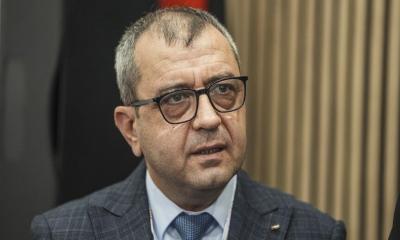
The European Union called on the Israeli government on Tuesday to ensure full humanitarian access to the Gaza Strip. Severe winter weather is compounding the suffering of displaced families. European Commission spokesperson Eva Hrncirova addressed reporters during a midday briefing in Brussels about the deteriorating conditions.
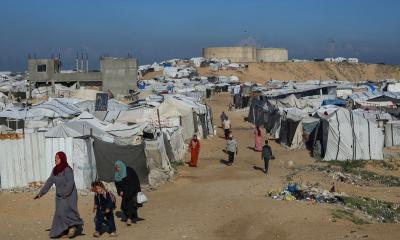
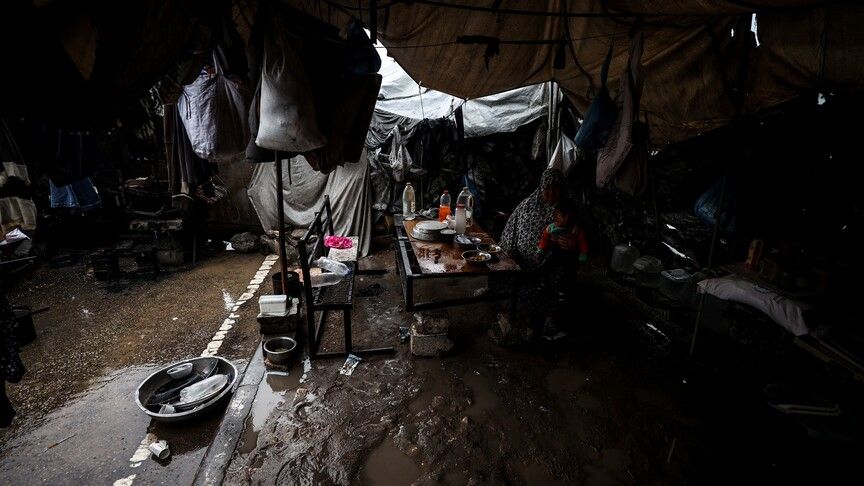
"We are aware of the situation in Gaza, and obviously, if you live in the tent and the tent is full of water, the situation gets much more worse," Hrncirova told journalists.
She stated that the bloc had repeatedly appealed to the Israeli government at every level and opportunity to permit unrestricted entry for humanitarian supplies. Only a fraction of the border crossings remain open for relief shipments.
"Not all the crossings are open for humanitarian aid," she said, stressing that ongoing restrictions were worsening an already critical situation.
The spokesperson warned that flooding and harsh winter weather could expose displaced families to health risks, including diseases and increased pest infestations. Most of the territory’s population requires shelter and non-food assistance. Approximately 60% of those in need face critical conditions.
Hrncirova outlined the bloc’s financial support for Palestinians. Nearly 700 million euros, equivalent to 784 million dollars, has been allocated since the crisis began in October 2023.
"We call for rapid, safe, and unhindered access to Gaza to be able to alleviate suffering of the people there," Hrncirova said.
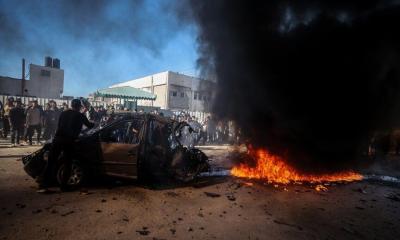
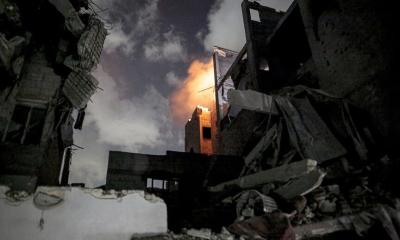
The remarks coincided with a low-pressure weather system bringing cold air and heavy rainfall to the coastal enclave. Thousands of displaced Palestinians continue to shelter in worn-out tents lacking heating or adequate protection from rain and cold. This follows widespread destruction of homes and infrastructure caused by Israel’s military campaign.
Palestinian health authorities report that the military offensive has killed more than 74,000 Palestinians and wounded over 175,000 others since October 2023.
The conflict has destroyed civilian infrastructure across the territory, leaving displaced families increasingly vulnerable to harsh seasonal weather.