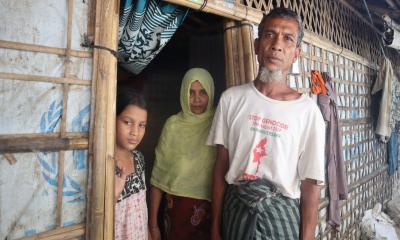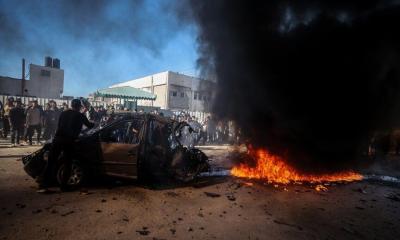
When war broke out in Khartoum in April 2023, Mohammed Awad was seventeen. He was forced out of school and displaced from his home city, moving from state to state with his cousins to escape the conflict.
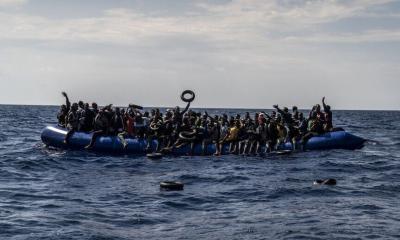
Millions of people across Sudan face a similar crisis of displacement and killing. Awad turned to substances to cope with the extreme violence he witnessed during the early months of the fighting in the capital.
"I started taking drugs to forget what I have seen and the horrors I have been through in Khartoum during the first months of the war," Awad said. "My friends and my cousin were killed in front of me. I am trying to recover now, so I can proceed with my education and life."
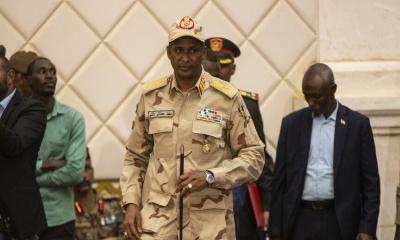
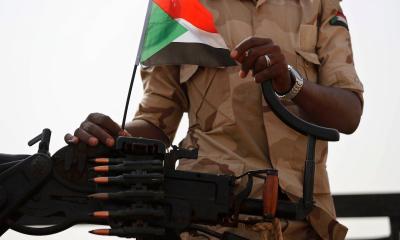
The armed conflict pits the Sudanese Armed Forces against the Rapid Support Forces paramilitary group. The violence has killed at least 59,000 people and displaced 14 million out of a population of 52 million, according to figures tied to the ongoing crisis.
Displacement brings severe fear and instability. For individuals like Awad, substances became an escape from reality.
"I entered rehabilitation centres many times, and I quickly returned to addiction," Awad said. "I take pills and sometimes weed. I want to stop, but I keep failing over and over again."
The breakdown of security and rising poverty have also fuelled the trade of illicit drugs, such as the addictive amphetamine Captagon. Government officials note that areas under RSF control face severe drug problems.
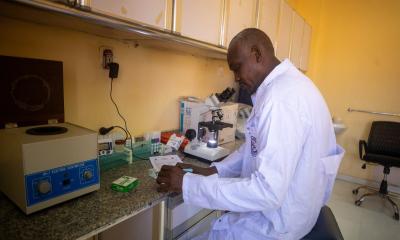
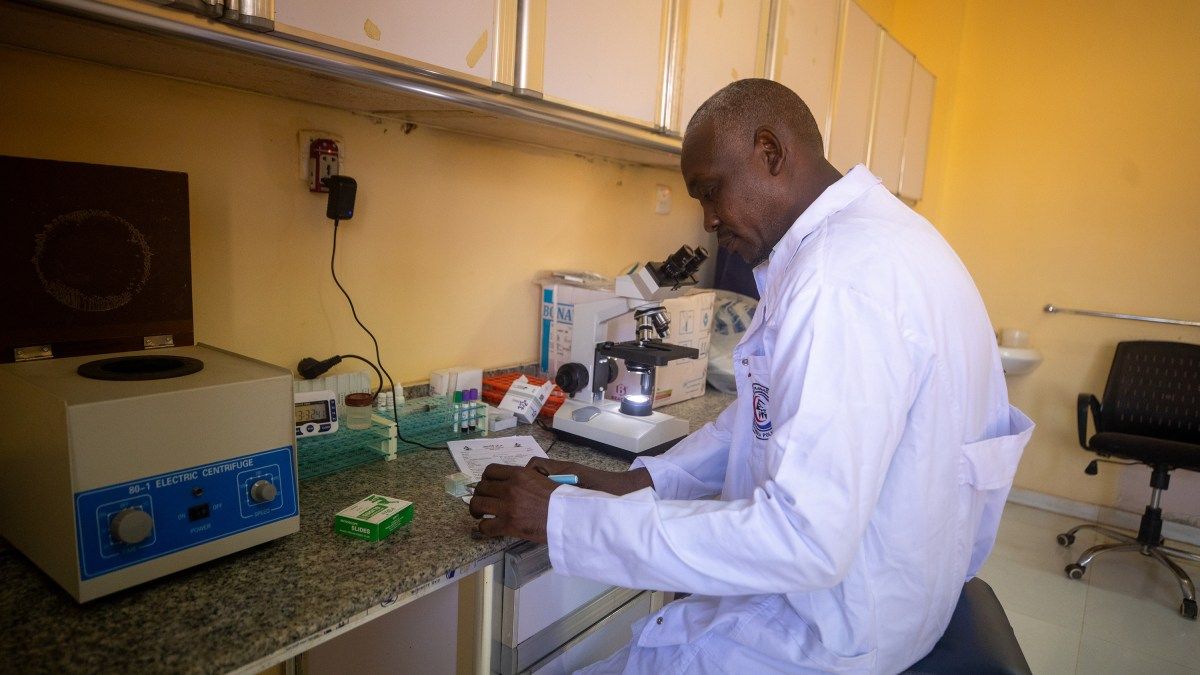
The Qadreen Center for Addiction Treatment is one of the few charitable institutions operating in Khartoum. Its director, Lubna Ali, stated that the facility has experienced a big jump in demand for mental health services since the conflict started.
The centre has treated 10,100 cases involving war-related psychological trauma and substance abuse since the outbreak of fighting. Ali reported that 135 individuals have completed their recovery journey at the institution.
Dr Aisha Almobasher, a psychiatrist at the Bitmakaly National Organization, explained that drug networks expanded in areas previously controlled by the RSF. She said substances were sometimes used to recruit young people into militia ranks.
Major-General Mohamed Al-Moatasim Okasha, director of Sudan’s General Directorate for Anti-Narcotics, stated that enforcement teams have confronted a surge in manufacturing. Authorities discovered advanced production facilities in areas retaken by the army, including a large Captagon factory north of Khartoum with equipment valued at roughly three million dollars.